Buying Residential Property in Fairbanks and North Pole During Winter
Navigate the unique challenges of purchasing residential property in Alaska's interior during the coldest season.

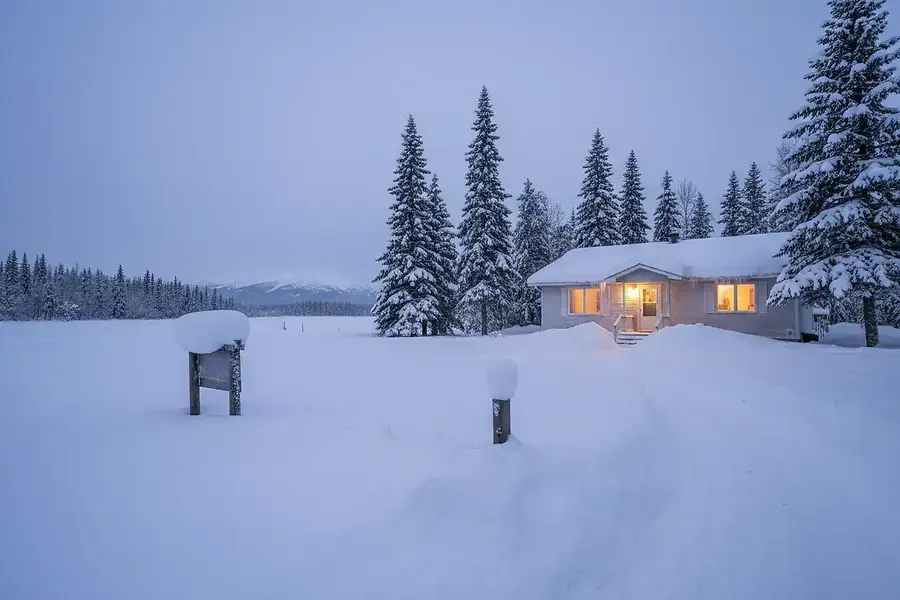
Why Winter Matters When Buying in Fairbanks and North Pole
Purchasing residential property in Alaska's interior presents unique opportunities and challenges, particularly during the winter months. Fairbanks and North Pole experience some of the most extreme cold temperatures in the continental United States, with conditions that can drop well below negative 40 degrees Fahrenheit. For prospective homebuyers, winter is actually an ideal time to evaluate properties, as it reveals how homes perform under the most demanding conditions.
Winter property shopping allows you to assess heating systems, insulation quality, and structural integrity when they matter most. You'll witness firsthand how a home handles the season's challenges, from snow accumulation to ice formation. This season also tends to have fewer buyers competing for properties, potentially giving you better negotiating leverage.
Understanding Alaska's Interior Winter Real Estate Market
Market Dynamics During Winter
The real estate market in Fairbanks and North Pole experiences distinct seasonal patterns. Winter typically sees reduced inventory as fewer sellers list properties during the coldest months. However, this also means less competition among buyers, creating opportunities for those willing to navigate the season.
Prices may be more negotiable during winter, as motivated sellers often reduce asking prices to attract serious buyers. The pool of potential purchasers shrinks considerably, which can work in your favor if you're prepared and committed to buying.
Local Market Conditions
Understanding the local market requires knowledge of property values, neighborhood trends, and community development plans. Work with a real estate agent experienced in Alaska's interior market who can provide insights into:
- Historical price trends and seasonal fluctuations
- Neighborhood stability and growth potential
- Proximity to essential services and employment centers
- School district quality and ratings
- Utility costs and availability in different areas
Key Considerations for Residential Property Inspection and Evaluation
Structural and Foundation Assessment
Winter conditions in Fairbanks and North Pole create unique stresses on residential structures. Permafrost, which exists beneath much of the region, can cause foundation movement and settling. During winter inspections, pay special attention to:
- Foundation cracks and signs of shifting
- Uneven floors or doors that don't close properly
- Evidence of water damage or moisture intrusion
- Proper piping insulation to prevent freezing
Heating Systems and Energy Efficiency
Heating is the most critical system in an Alaska interior home. Winter is the perfect time to evaluate heating performance. Request documentation of:
- Annual heating costs and fuel consumption records
- Age and condition of furnaces or boilers
- Backup heating systems and their functionality
- Insulation levels in walls, attic, and basement
- Window quality and weatherproofing
A professional energy audit can reveal inefficiencies that may cost thousands annually. Many homes in the region use oil heating, so verify tank condition and fuel delivery reliability.
Plumbing and Water Systems
Frozen pipes are a serious concern in Alaska's interior. During winter inspection, verify that:
- All exposed pipes are properly insulated
- Heat tape is installed where necessary
- The home has adequate water pressure and flow
- Septic systems (if applicable) are properly maintained and winterized
- Well water systems have freeze protection
Roof and Exterior Condition
Winter snow loads can be substantial. Inspect the roof for:
- Proper slope for snow shedding
- Structural integrity and beam strength
- Gutters and drainage systems
- Signs of ice damming or water intrusion
- Exterior wall condition and weatherproofing
Making Your Offer and Closing Successfully
Crafting a Competitive Offer
Winter offers unique advantages in negotiation. With fewer buyers in the market, sellers may be more flexible on price and terms. Consider including:
- Contingencies for professional home inspection
- Financing contingencies with pre-approval documentation
- Reasonable closing timelines that account for winter conditions
- Requests for seller disclosures about heating costs and system maintenance
Be prepared to move quickly if you find the right property. Winter inventory moves faster due to lower competition, and motivated sellers may accept offers promptly.
Due Diligence and Documentation
Request comprehensive documentation from the seller, including:
- Five years of utility bills to assess heating costs
- Maintenance records for heating systems and major repairs
- Permits for any additions or modifications
- Property survey and boundary information
- Homeowners association documents (if applicable)
Closing in Winter Conditions
Winter closings require additional planning. Coordinate with your lender, title company, and real estate agent to ensure:
- All inspections and appraisals are completed before severe weather
- Final walkthrough occurs shortly before closing
- Utility transfers are scheduled appropriately
- You have adequate time to arrange moving services
- Insurance coverage begins on the closing date
Plan for winter moving logistics carefully. Road conditions may impact moving timelines, so build in extra time and consider hiring professional movers experienced with Alaska winter conditions.
Final Considerations
Buying property in Fairbanks and North Pole during winter requires preparation, patience, and local expertise. The challenges are real, but so are the rewards. By understanding the market, conducting thorough inspections, and working with experienced professionals, you can successfully navigate the winter real estate market and find your ideal Alaska home.
Remember that winter property purchases offer unique insights into how homes perform under extreme conditions. This transparency can lead to better long-term satisfaction with your investment and help you avoid costly surprises after closing.