Essential Home Inspection Guide for Puget Sound Region Buyers
Learn what professional inspectors look for and how to protect your investment in the Seattle metro area.

Why Home Inspections Matter for Puget Sound Buyers
Purchasing a home in the Puget Sound region represents one of the most significant financial decisions you'll make. A professional home inspection is your safeguard against unexpected repairs and costly surprises. In the Seattle metro area, where homes range from historic craftsman bungalows to modern contemporary builds, a thorough inspection reveals the true condition of your potential investment.
Home inspections provide you with detailed knowledge about a property's structural integrity, mechanical systems, and overall safety. This information empowers you to negotiate repairs, request credits, or make informed decisions about whether to proceed with your purchase. For Puget Sound buyers, understanding what inspectors look for can mean the difference between a sound investment and a financial burden.
Key Areas Inspectors Evaluate in Pacific Northwest Homes
Roofing and Weather Protection
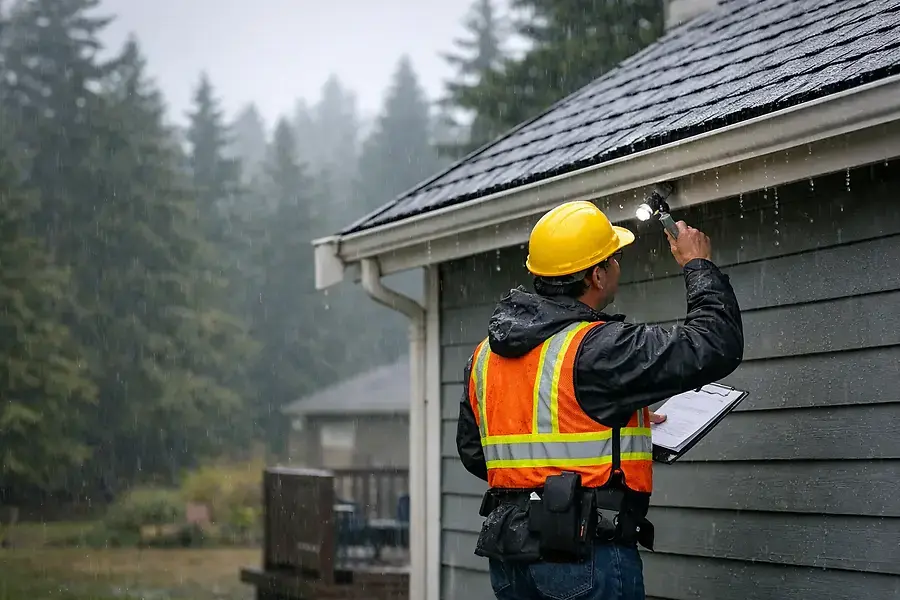
Given the Pacific Northwest's rainy climate, roofing is a critical inspection area. Inspectors examine shingles for wear, curling, or missing pieces, and assess the roof's remaining lifespan. They also check flashing around chimneys, vents, and skylights—areas prone to leaks in our wet climate. Proper gutters and downspouts are essential for directing water away from your foundation.
Foundation and Structural Elements
The foundation is your home's backbone. Inspectors look for cracks, settling, water intrusion, and signs of moisture damage. In the Puget Sound region, where soil composition varies and moisture is abundant, foundation issues can develop over time. They'll also evaluate the overall structural integrity, including support beams, joists, and load-bearing walls.
Plumbing Systems
Inspectors test water pressure, check for leaks, and assess the condition of pipes throughout the home. In older Seattle properties, galvanized pipes may need replacement. They examine water heaters for age and functionality, and verify that drainage systems work properly. Proper grading around the home is also evaluated to ensure water doesn't pool near the foundation.
Electrical Systems
A thorough electrical inspection includes checking the main panel, circuit breakers, outlets, and switches. Inspectors verify that the system meets current safety codes and has adequate capacity for modern appliances. Outdated wiring or improper installations can pose fire hazards and should be addressed before purchase.
HVAC and Ventilation
Heating, ventilation, and air conditioning systems are tested for proper operation and efficiency. Inspectors assess furnace age, condition, and maintenance history. They also check for proper ventilation in bathrooms and kitchens, which is crucial for preventing moisture buildup in our humid climate.
Insulation and Moisture Control
Adequate insulation affects both comfort and energy costs. Inspectors evaluate attic insulation levels and check for proper ventilation to prevent moisture accumulation. They look for signs of water damage, mold, or condensation issues that are common in Pacific Northwest homes.
Common Issues Found in Seattle-Area Properties and How to Address Them
Water Damage and Moisture Problems
Water intrusion is the most frequent issue found in Puget Sound homes. Common sources include:
- Leaking roofs and damaged flashing
- Basement or crawlspace moisture
- Poor drainage around the foundation
- Damaged or missing caulking around windows and doors
How to Address It: Have a qualified contractor evaluate the source of moisture. Solutions may include roof repairs, improved grading, installation of sump pumps, or sealing foundation cracks. Addressing moisture issues promptly prevents mold growth and structural damage.
Aging Roofs
Many Seattle-area homes have roofs nearing the end of their lifespan. Constant exposure to rain and moss growth accelerates deterioration. If your inspection reveals a roof with less than 5 years of remaining life, budget for replacement soon.
Outdated Electrical Systems
Older homes may have inadequate electrical capacity or outdated wiring. If your inspection reveals aluminum wiring, knob-and-tube wiring, or an undersized panel, consult with a licensed electrician about upgrades needed for safety and functionality.
Plumbing Concerns
Galvanized pipes, common in homes built before the 1970s, corrode over time and reduce water pressure. Polybutylene pipes, used in some 1980s-1990s homes, are prone to failure. Replacement with copper or PEX piping is often recommended.
Foundation Issues
Minor cracks are common and often not serious, but significant settling, bowing walls, or water intrusion require professional evaluation. A structural engineer can assess whether repairs are necessary and what solutions are appropriate.
Pest and Pest Damage
Termites, carpenter ants, and rodents are concerns in the Pacific Northwest. Inspectors look for evidence of infestation or previous damage. If found, a pest control specialist should evaluate the extent and recommend treatment options.
Making Informed Decisions with Professional Inspection Guidance
A professional home inspection is an investment in your peace of mind. When you receive the inspection report, review it carefully and ask your inspector to explain any concerns. Don't panic over minor issues—every home has some wear and tear. Instead, focus on major systems and structural elements.
Use the inspection report as a negotiation tool. If significant issues are discovered, you can request that the seller make repairs, provide credits toward repairs, or renegotiate the purchase price. In some cases, you may decide that addressing certain issues is beyond your comfort level or budget, and you can walk away from the deal.
Remember: A thorough home inspection protects your investment and gives you the information needed to make confident decisions about your Puget Sound property purchase. Working with a qualified, experienced inspector familiar with Pacific Northwest homes ensures you understand exactly what you're buying.