Essential Home Inspection Guide for Twin Cities Residential Buyers
Discover what professional inspectors examine and how to protect your investment in Eden Prairie, Edina, Minneapolis, and Saint Paul.

Why Home Inspections Are Critical for Twin Cities Homebuyers
Purchasing a home is one of the most significant financial decisions you'll make in your lifetime. In the Twin Cities market—spanning Eden Prairie, Edina, Minneapolis, and Saint Paul—a professional home inspection serves as your safeguard against costly surprises after closing. A thorough inspection can reveal hidden structural issues, mechanical problems, and safety hazards that could cost thousands to repair.
Many homebuyers underestimate the importance of inspections, viewing them as an optional expense. However, a comprehensive inspection report provides you with detailed documentation of the property's condition, giving you leverage in negotiations and peace of mind in your investment. Whether you're buying a historic Victorian in Saint Paul or a modern home in Eden Prairie, an inspection is your opportunity to understand exactly what you're purchasing.
What Professional Inspectors Examine and Major Red Flags to Watch For
Structural Components
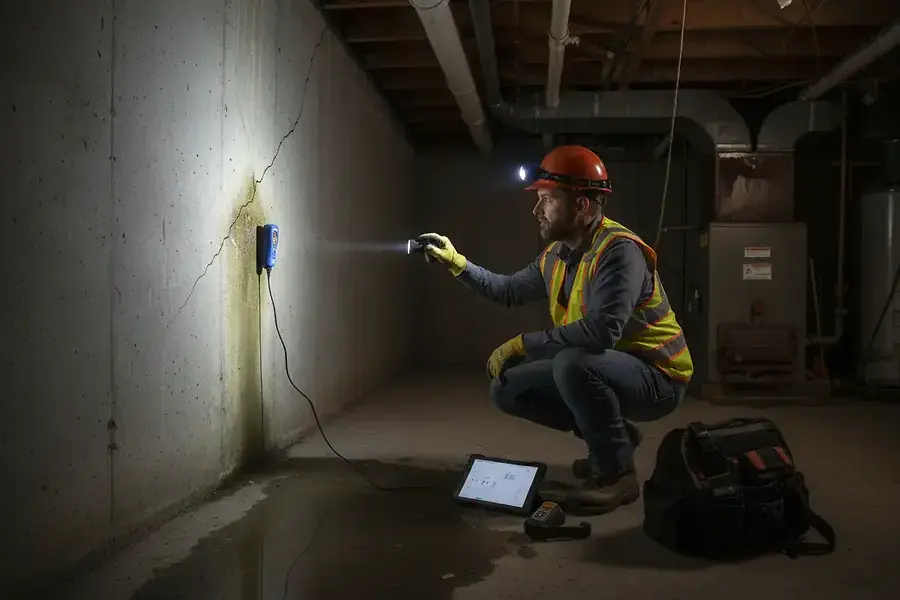
Professional inspectors begin by evaluating the home's foundation, framing, and overall structural integrity. In the Twin Cities, where freeze-thaw cycles are common, foundation cracks and settling are critical concerns. Inspectors look for:
- Horizontal or stair-step cracks in basement walls
- Signs of water intrusion or moisture damage
- Uneven floors or doors that don't close properly
- Bowing or leaning walls
Roofing and Exterior
The roof is your home's first line of defense against Minnesota's harsh weather. Inspectors examine shingles, flashing, gutters, and drainage systems. Red flags include missing or curled shingles, sagging roof lines, and inadequate ventilation. The exterior also includes siding, windows, and doors—all critical for weather protection and energy efficiency.
Plumbing Systems
Water damage is one of the most expensive problems homeowners face. Inspectors test water pressure, check for leaks, examine pipe materials, and assess water heater condition. Watch for galvanized pipes (common in older Twin Cities homes), which corrode over time and may need replacement. Inspectors also evaluate sump pumps and drainage systems—essential in areas prone to basement moisture.
Electrical Systems
A safe electrical system is non-negotiable. Inspectors verify that the panel has adequate capacity, check for outdated wiring, and ensure proper grounding. Major concerns include:
- Aluminum wiring (fire hazard in older homes)
- Insufficient outlets or overloaded circuits
- Missing ground fault circuit interrupters (GFCIs) in bathrooms and kitchens
- Outdated or undersized electrical panels
HVAC Systems
Heating and cooling systems are critical in Minnesota's climate. Inspectors evaluate furnace age, efficiency, and condition, along with air conditioning units and ductwork. A furnace nearing the end of its lifespan (typically 15-20 years) may need replacement soon, which is an important factor in your offer.
Interior Conditions
Inspectors examine walls, ceilings, floors, and insulation for damage, moisture, and pest activity. They also check windows, doors, and built-in appliances. In the Twin Cities, inspectors pay special attention to signs of termites, carpenter ants, and other pests common to the region.
How to Prepare for Your Inspection and Ask the Right Questions
Before the Inspection
Preparation is key to getting the most value from your inspection. Request a detailed inspection report format from your inspector beforehand. Ensure the property is accessible—ask the seller to unlock all areas, including attics, crawl spaces, and basements. Make a list of specific concerns or areas you want the inspector to focus on, especially if you've noticed anything unusual during your showings.
During the Inspection
Plan to attend your inspection in person. This is your opportunity to observe the inspector's process and ask questions in real-time. Walk through the property together, take notes, and ask for explanations of any issues found. Don't be shy about asking questions—this is your investment.
Essential Questions to Ask
- What is the estimated remaining lifespan of major systems (roof, HVAC, water heater)?
- Are there any safety hazards that need immediate attention?
- What maintenance issues should I prioritize after purchase?
- Are there signs of past water damage or mold?
- What is the condition of the foundation, and are there any structural concerns?
- Are there any code violations or unpermitted work?
- What is the age and condition of the electrical panel and plumbing?
After the Inspection
Review the inspection report carefully. If major issues are identified, you have several options: request repairs from the seller, negotiate a price reduction, or walk away from the deal. Many Twin Cities buyers use inspection findings to renegotiate terms before closing.
An inspection report is not just a list of problems—it's a roadmap for your future maintenance and investment protection.
Using Inspection Reports to Make Confident Purchase Decisions
A comprehensive inspection report empowers you to make informed decisions about your home purchase. Don't view inspection findings as deal-breakers; instead, use them as negotiation tools and planning documents. Some issues are cosmetic and inexpensive to fix, while others require immediate attention.
Work with your real estate agent and inspector to prioritize findings by severity and cost. Request written estimates from contractors for major repairs, then use this information to negotiate with the seller. Remember, every home has some issues—the goal is to understand what you're buying and plan accordingly.
In the competitive Twin Cities real estate market, a thorough home inspection gives you confidence and clarity. Whether you're purchasing in Minneapolis, Saint Paul, Edina, or Eden Prairie, investing in a professional inspection protects your financial future and ensures you're making one of life's biggest decisions with complete information.