First-Time Home Buyers: Your Complete Guide to Greater Boston Suburbs
Navigate the competitive real estate market in Newton, Brookline, Cambridge, and surrounding communities with expert insights on neighborhoods, pricing, and the buying process.

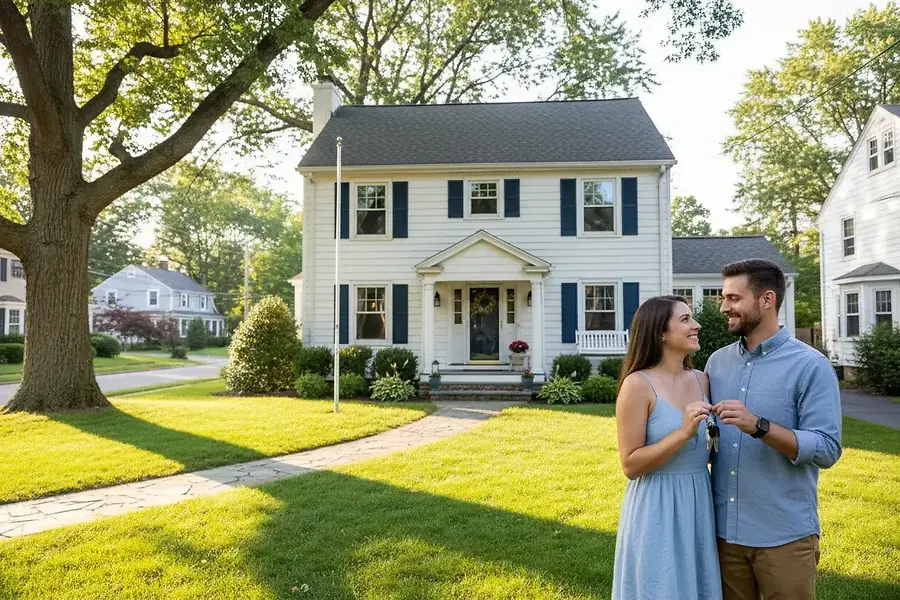
Understanding the Greater Boston Real Estate Market
The Greater Boston real estate market is one of the most competitive and dynamic in the nation. As a first-time buyer, understanding the fundamentals of this market is essential to making informed decisions. The region encompasses diverse communities, each with distinct characteristics, price points, and lifestyle offerings.
Greater Boston suburbs have experienced steady appreciation over recent years, making them attractive for long-term investment. However, this popularity also means prices remain elevated compared to many other regions. Expect to budget carefully and be prepared to act quickly when you find the right property. The market moves fast, and properties in desirable neighborhoods can receive multiple offers within days of listing.
Market Trends and Pricing
Current market conditions favor informed buyers who understand local pricing patterns. Research comparable sales in your target neighborhoods to establish realistic expectations. Work with a knowledgeable real estate agent who can provide detailed market analysis and help you identify emerging neighborhoods that offer better value without sacrificing quality of life.
Interest rates and financing options play crucial roles in your purchasing power. Get pre-approved for a mortgage before house hunting to understand your budget and demonstrate seriousness to sellers. This step is particularly important in competitive markets where sellers prioritize reliable buyers.
Evaluating Neighborhoods: Schools, Amenities, and Commute Options
Choosing the right neighborhood is as important as finding the right home. The Greater Boston area offers distinct communities, each with unique advantages. Consider these key factors when evaluating potential neighborhoods:
Top Neighborhoods to Consider
- Newton: Known for excellent schools, tree-lined streets, and family-friendly atmosphere. Offers suburban charm while maintaining proximity to Boston.
- Brookline: Combines urban convenience with residential appeal. Features diverse housing options, cultural amenities, and strong schools.
- Cambridge: Home to prestigious universities and vibrant cultural scene. Ideal for those seeking walkable neighborhoods and intellectual community.
- Surrounding Communities: Towns like Belmont, Waltham, and Watertown offer more affordable options while maintaining excellent schools and amenities.
Schools and Education
For families, school quality often determines neighborhood choice. Research school ratings, test scores, and community involvement. Many Greater Boston suburbs rank among the best in the state, but quality varies by specific district. Visit schools, speak with current parents, and review recent performance data to make informed decisions.
Amenities and Lifestyle
Consider what matters most to your lifestyle. Do you prioritize walkability, parks, restaurants, and cultural venues? Or do you prefer quiet residential streets with larger yards? Greater Boston suburbs offer both options. Urban-adjacent communities like Cambridge and Brookline provide walkable neighborhoods with vibrant commercial districts. More suburban areas like Newton and Belmont offer spacious properties and family-oriented amenities.
Commute Considerations
Evaluate your commute carefully. Many Greater Boston suburbs offer excellent public transportation access via the MBTA, reducing reliance on cars. However, if you drive, research traffic patterns and commute times during peak hours. A seemingly convenient location can become frustrating if your daily commute is lengthy. Factor commute costs and time into your overall housing budget and lifestyle assessment.
Making an Offer and Navigating the Closing Process
Preparing Your Offer
When you find the right property, timing and strategy matter tremendously. Work with your real estate agent to develop a competitive offer that reflects current market conditions. In competitive markets, you may need to offer above asking price, include fewer contingencies, or offer a larger earnest money deposit to stand out.
Include a home inspection contingency to protect yourself. This allows you to hire a professional inspector to identify potential issues before finalizing your purchase. Never skip this step, regardless of the property's apparent condition.
The Closing Process
After your offer is accepted, the closing process begins. This typically involves:
- Securing final mortgage approval and locking in your interest rate
- Obtaining a home appraisal to ensure the property value supports your loan amount
- Conducting a final walkthrough to verify agreed-upon repairs are completed
- Reviewing closing documents and conducting a final title search
- Scheduling the closing meeting where you'll sign final paperwork and receive keys
Budget for closing costs, typically ranging from 2-5% of your purchase price. These include appraisal fees, title insurance, attorney fees, and other expenses. Your lender will provide a detailed estimate of all costs before closing.
Building Your New Life in Your Chosen Community
Getting Settled
Congratulations on your new home! The transition to homeownership extends beyond moving day. Introduce yourself to neighbors, locate essential services, and familiarize yourself with local resources. Many Greater Boston communities host neighborhood associations and community events—participating helps you build connections and understand local culture.
Home Maintenance and Ownership
Understand your responsibilities as a homeowner. Create a maintenance schedule for regular tasks like HVAC servicing, gutter cleaning, and seasonal inspections. Proactive maintenance prevents costly repairs and preserves your investment. Consider setting aside funds monthly for unexpected repairs and long-term improvements.
Maximizing Your Investment
Your home is likely your largest investment. Stay informed about your neighborhood's development, property values, and market trends. Strategic improvements can enhance both your quality of life and your home's value. However, avoid over-improving relative to neighborhood standards, as you may not recoup all expenses when selling.
Connect with local community groups, schools, and organizations. The Greater Boston area offers exceptional cultural institutions, parks, and recreational opportunities. Embrace your new community fully, and you'll discover why so many choose to build their lives in these vibrant suburbs.
Remember: Buying your first home is a significant milestone. Take time to understand the market, evaluate neighborhoods thoroughly, and work with experienced professionals. Your patience and diligence will pay dividends as you build your future in Greater Boston.