Home Inspection Essentials for North Richland Hills and Southlake Buyers
Learn what professional inspectors look for and why this critical step protects your investment in the DFW residential market.

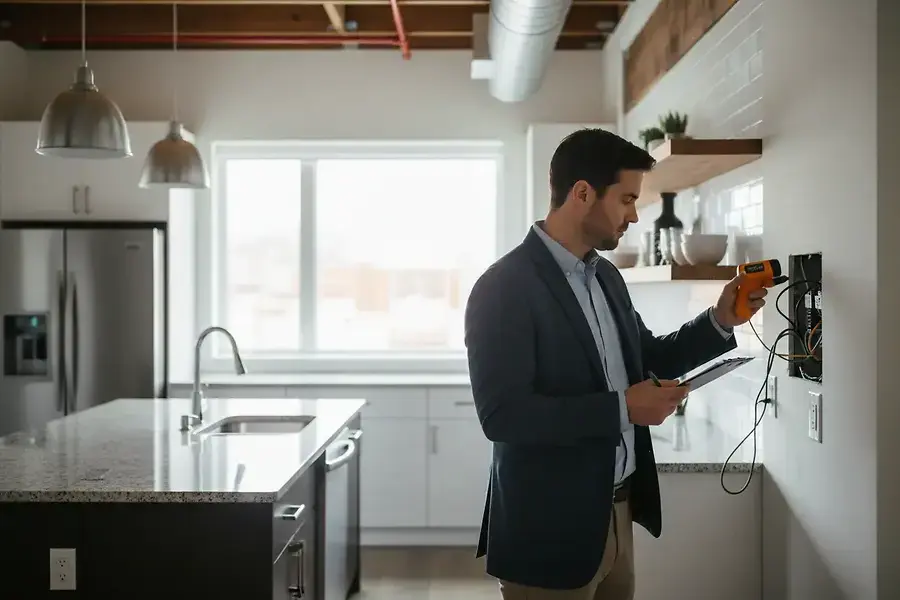
Why Home Inspections Matter in North Richland Hills and Southlake
Purchasing a home is one of the most significant financial decisions you'll make in your lifetime. In the competitive DFW residential market, particularly in desirable communities like North Richland Hills and Southlake, a professional home inspection serves as your safeguard against costly surprises. A thorough inspection can reveal hidden issues that might not be apparent during a casual walkthrough, potentially saving you thousands of dollars in unexpected repairs.
Home inspections are not just a formality—they're a critical step that empowers you to make informed decisions about your investment. Whether you're a first-time homebuyer or an experienced investor, understanding what inspectors look for and how to interpret their findings is essential for protecting your financial interests.
What Professional Inspectors Examine: Structural Systems, Electrical, Plumbing, and HVAC
Structural Integrity and Foundation
Professional inspectors begin by evaluating the home's structural foundation and overall integrity. They look for signs of settling, cracks in the foundation, water damage, and structural deterioration. In North Richland Hills and Southlake, where homes experience Texas weather variations, foundation issues are particularly important to assess. Inspectors examine:
- Foundation cracks and their severity
- Evidence of water intrusion or moisture problems
- Proper grading and drainage around the property
- Roof condition and potential leaks
Electrical Systems
The electrical system is one of the most critical safety components of any home. Professional inspectors evaluate the main electrical panel, wiring, outlets, and switches to ensure everything meets current safety codes. They check for:
- Proper grounding and bonding
- Adequate circuit capacity for modern appliances
- Signs of outdated or hazardous wiring
- GFCI protection in wet areas like bathrooms and kitchens
- Proper labeling of circuits
Outdated electrical systems can be a significant concern in older homes and may require upgrades to safely accommodate modern electrical demands.
Plumbing Systems
Inspectors thoroughly examine plumbing systems, including water supply lines, drain lines, and fixtures. They test water pressure, check for leaks, and assess the condition of pipes. Key areas of focus include:
- Water main shut-off location and functionality
- Pipe material and condition (galvanized, copper, PVC, etc.)
- Signs of leaks or water damage
- Proper venting and drainage
- Water heater age and condition
In the DFW area, hard water is common, which can affect plumbing longevity. Inspectors will note any mineral buildup or corrosion issues.
HVAC Systems
Heating, ventilation, and air conditioning systems are essential for comfort in Texas homes. Inspectors evaluate the age, condition, and functionality of your HVAC system. They assess:
- System age and remaining lifespan
- Proper operation of heating and cooling
- Filter condition and accessibility
- Ductwork integrity and insulation
- Thermostat functionality
A well-maintained HVAC system is crucial for energy efficiency and comfort in the Texas climate.
Red Flags to Watch For and How to Interpret Inspection Reports
Major Red Flags
While reviewing your inspection report, pay special attention to issues marked as "major" or "critical." These typically include:
- Foundation problems: Significant cracks, settling, or structural damage that requires professional repair
- Roof issues: Missing shingles, extensive damage, or nearing end of lifespan
- Electrical hazards: Outdated panels, improper grounding, or fire risks
- Plumbing failures: Burst pipes, severe leaks, or sewage backup issues
- HVAC breakdown: System failure or inability to heat/cool properly
- Water damage or mold: Signs of moisture intrusion or mold growth
Understanding Your Inspection Report
A comprehensive inspection report will categorize findings by severity. Here's how to interpret the typical categories:
- Critical/Major: Issues requiring immediate attention and repair before purchase
- Significant: Problems that should be addressed soon, often negotiable in the purchase agreement
- Minor: Small issues that don't affect safety or functionality but may need future attention
- Maintenance items: Routine upkeep recommendations to maintain the home's condition
Don't panic if your report includes minor findings—most homes have them. Instead, focus on understanding which issues are deal-breakers and which can be negotiated or addressed after purchase.
Using Inspection Results in Negotiations
Armed with your inspection report, you have leverage in negotiations. You can:
- Request repairs from the seller before closing
- Ask for a credit to cover repair costs
- Renegotiate the purchase price based on needed repairs
- Walk away if major issues make the property a poor investment
A professional home inspection is your opportunity to make an informed decision about one of the largest purchases of your life. Don't skip this critical step.
Making Informed Decisions with Inspection Results
After receiving your inspection report, take time to review it thoroughly and discuss findings with your real estate agent and inspector. Ask questions about any items you don't understand, and get clarification on severity levels and recommended repairs.
Consider obtaining quotes from contractors for major repairs to understand the true cost of addressing issues. This information is invaluable when deciding whether to proceed with the purchase, renegotiate terms, or walk away.
In North Richland Hills and Southlake's competitive real estate market, a thorough home inspection protects your investment and gives you peace of mind. By understanding what inspectors examine and how to interpret their findings, you're equipped to make smart decisions that align with your financial goals and long-term interests.
Remember: A home inspection is not a pass-or-fail evaluation—it's a detailed assessment that empowers you to buy with confidence and clarity.