Home Inspection Essentials for Omaha and Douglas County Buyers
Learn what to look for during a home inspection to protect your investment and avoid costly surprises.

Introduction: Why Home Inspections Matter for Local Buyers
Purchasing a home is one of the most significant financial decisions you'll make in your lifetime. For buyers in Omaha and Douglas County, a professional home inspection is not just a formality—it's a critical safeguard that can save you thousands of dollars in unexpected repairs and renovations. A thorough inspection provides you with a detailed understanding of your potential property's condition, helping you negotiate better terms or walk away from problematic purchases before it's too late.
Many first-time homebuyers underestimate the importance of inspections, viewing them as an unnecessary expense. However, discovering structural issues, plumbing problems, or electrical hazards after closing can be far more costly than the inspection fee itself. In the Omaha area, where homes range from historic properties to newer constructions, understanding what inspectors look for is essential for protecting your investment.
Key Areas Inspectors Examine in Omaha-Area Homes
Structural Integrity and Foundation
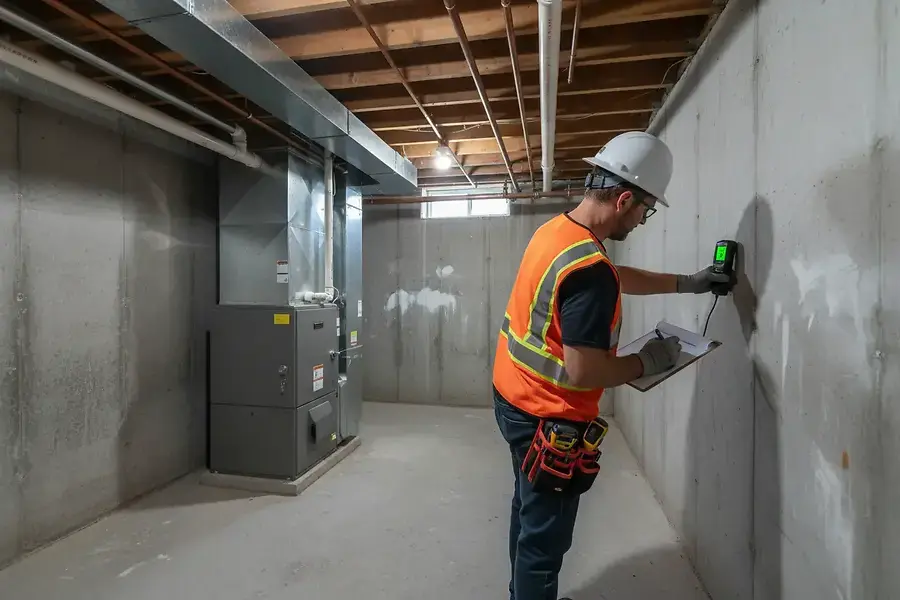
The foundation is the backbone of any home. Inspectors carefully examine the basement or crawl space for signs of settling, cracks, water intrusion, and structural damage. In Douglas County, where soil composition and moisture levels can vary significantly, foundation issues are particularly important to assess. Look for horizontal cracks, bowing walls, or evidence of previous water damage—these can indicate serious problems requiring professional remediation.
Roofing and Exterior
Your roof protects everything beneath it, making its condition crucial. Inspectors evaluate:
- Shingle condition and age
- Flashing around chimneys and vents
- Gutters and downspouts
- Signs of leaks or water damage in the attic
- Exterior siding and caulking
Omaha's weather patterns, including heavy snow and ice, can accelerate roof deterioration, so understanding your roof's remaining lifespan is essential for budgeting future repairs.
Plumbing Systems
Inspectors test water pressure, check for leaks, and examine the type of plumbing materials used throughout the home. Older Omaha properties may have outdated galvanized pipes or cast iron drain lines that are prone to corrosion. They'll also evaluate the water heater's age and condition, as replacement can be a significant expense.
Electrical Systems
A comprehensive electrical inspection includes checking the panel, outlets, switches, and wiring. Inspectors look for outdated systems, improper grounding, and potential fire hazards. Homes built before modern electrical codes were established may require upgrades to meet current safety standards.
HVAC Systems
Heating and cooling systems are vital in the Omaha climate. Inspectors assess furnace and air conditioning unit age, efficiency, and functionality. They'll check ductwork for leaks and ensure proper ventilation throughout the home.
Interior Conditions
Beyond major systems, inspectors examine:
- Doors and windows for proper operation and sealing
- Insulation levels in attic and walls
- Flooring condition and potential moisture issues
- Kitchen and bathroom fixtures
- Evidence of pest infestations or mold
Common Issues Found in Douglas County Properties and How to Address Them
Water Intrusion and Moisture Problems
Douglas County's climate and soil conditions make water intrusion a common concern. Basements and crawl spaces frequently show signs of moisture, whether from poor grading, inadequate drainage, or foundation cracks. Address this by: Installing or improving sump pumps, grading soil away from the foundation, sealing cracks, and ensuring gutters direct water at least 4-6 feet from the home.
Outdated Plumbing and Electrical
Many Omaha homes, particularly those built mid-century, have aging plumbing and electrical systems. Solutions include: Replacing galvanized pipes with copper or PEX, upgrading electrical panels to handle modern demands, and installing GFCI outlets in kitchens and bathrooms for safety.
Roof Age and Weather Damage
Harsh winters and summer storms take their toll on roofing. If your inspection reveals a roof nearing the end of its lifespan, budget for replacement within the next few years. Preventive measures: Regular maintenance, prompt repair of damaged shingles, and professional inspections after severe weather.
HVAC System Concerns
Older furnaces and air conditioning units are less efficient and more prone to breakdown. Consider: Upgrading to modern, energy-efficient systems that can reduce utility bills and improve comfort during Omaha's temperature extremes.
Pest and Mold Issues
Termites, carpenter ants, and mold can cause significant structural damage if left unchecked. Take action by: Hiring pest control professionals for treatment and prevention, improving ventilation to reduce moisture, and addressing any water intrusion issues promptly.
Conclusion: Making Informed Decisions with Inspection Results
A home inspection report provides invaluable information that empowers you as a buyer. Rather than viewing inspection findings as deal-breakers, use them as negotiating tools. You can request repairs, ask for credits toward closing costs, or adjust your offer price based on the scope of needed work.
Remember these key takeaways:
- Never skip a professional home inspection—it's your best defense against costly surprises
- Understand the specific challenges of Omaha and Douglas County properties, such as moisture and weather-related issues
- Use inspection results to make informed decisions about your purchase
- Budget for identified repairs and maintenance needs in your financial planning
- Ask your inspector questions and request clarification on any concerns
By taking home inspections seriously and understanding what inspectors look for, you're taking a crucial step toward protecting your investment and ensuring your new Omaha-area home is a sound financial decision for years to come.