Home Inspection Essentials for Tacoma, Lakewood, and Puyallup Buyers
Master the critical inspection checklist that protects your investment in Pierce County residential properties.

Why Professional Home Inspections Matter for Local Buyers
Purchasing a home is one of the most significant financial decisions you'll make in your lifetime. For buyers in Tacoma, Lakewood, and Puyallup, a professional home inspection is not just a formality—it's your safeguard against costly surprises. A thorough inspection reveals hidden defects, structural issues, and system failures that could cost thousands of dollars to repair after closing.
In Pierce County, where homes range from historic properties to newer constructions, each property presents unique challenges. The region's climate, with its wet winters and occasional freeze-thaw cycles, can accelerate wear on roofing, foundations, and exterior structures. A qualified home inspector understands these local conditions and knows exactly what to look for in residential properties throughout the area.
Professional inspectors provide an objective assessment of a property's condition, giving you the information needed to make informed decisions. Whether you're a first-time buyer or an experienced investor, an inspection report becomes your roadmap for negotiating repairs, requesting credits, or walking away from a problematic property.
Key Areas to Inspect: Foundation, Roof, and Systems in Pierce County Homes
Foundation and Structural Integrity
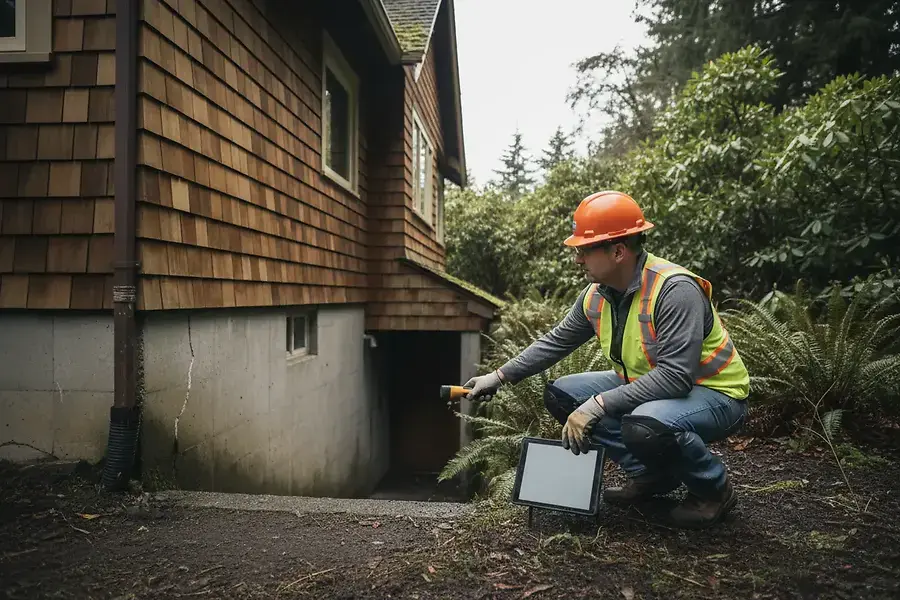
The foundation is the backbone of any home. In Pierce County, inspectors pay special attention to:
- Cracks in concrete or masonry—both horizontal and vertical patterns indicate different severity levels
- Water intrusion signs, including efflorescence (white mineral deposits) and moisture stains
- Settling or shifting that affects door and window alignment
- Basement or crawl space moisture, which is particularly common in our region's rainy climate
- Support beam condition and any signs of rot or pest damage
Pro tip: Minor cracks are normal in older homes, but diagonal cracks or those wider than 1/4 inch warrant further investigation by a structural engineer.
Roofing and Exterior Protection
Your roof is your home's first line of defense against Pierce County's frequent rainfall. Inspectors evaluate:
- Shingle condition, including curling, missing pieces, or excessive granule loss
- Flashing integrity around chimneys, vents, and skylights—common leak sources
- Gutter and downspout functionality and proper drainage away from the foundation
- Attic ventilation and insulation, which affect both energy efficiency and moisture control
- Age of the roof and remaining lifespan—most asphalt shingles last 15-25 years
A roof replacement can easily exceed $10,000, making this inspection area critical for budget planning.
Electrical, Plumbing, and HVAC Systems
These systems keep your home comfortable and functional. Inspectors check:
- Electrical: Panel condition, proper grounding, outdated wiring (like aluminum), and adequate circuit capacity
- Plumbing: Water pressure, drain functionality, water heater condition, and signs of leaks or corrosion
- HVAC: Furnace and air conditioning operation, ductwork integrity, and thermostat functionality
System upgrades or repairs can be negotiated based on inspection findings, potentially saving you thousands in unexpected expenses.
Common Issues Found in Tacoma, Lakewood, and Puyallup Residential Properties
Moisture and Water Damage
Pierce County's wet climate makes moisture management critical. Common issues include:
- Roof leaks leading to attic and wall damage
- Basement or crawl space water intrusion
- Inadequate grading or drainage around the foundation
- Mold growth in damp areas—a health concern and potential remediation expense
Aging Infrastructure
Many homes in our region were built decades ago. Inspectors frequently identify:
- Outdated electrical systems requiring panel upgrades
- Galvanized or corroded plumbing pipes needing replacement
- Deteriorating roofing materials nearing end of life
- Asbestos in insulation or flooring—common in homes built before the 1980s
Pest and Wildlife Concerns
The Pacific Northwest's environment attracts various pests. Inspectors look for:
- Termite damage or active infestations
- Carpenter ant evidence in wood structures
- Rodent entry points and droppings
- Damaged vents or openings allowing wildlife access
HVAC and Insulation Deficiencies
Energy efficiency is important in our climate. Common findings include inadequate insulation, inefficient heating systems, and poor ventilation that leads to moisture problems.
Using Inspection Results to Negotiate and Close with Confidence
Understanding Your Inspection Report
A comprehensive inspection report categorizes findings by severity: safety concerns, major repairs needed, and minor maintenance items. Focus your negotiations on significant issues that affect safety or require substantial investment.
Negotiation Strategies
Once you receive your inspection report, you have several options:
- Request repairs: Ask the seller to fix major issues before closing
- Request credits: Negotiate a price reduction to cover repair costs yourself
- Request inspections: For specific concerns, ask for specialized inspections (structural, pest, mold)
- Walk away: If issues are too extensive, you may decide the property isn't right for you
Remember: Your inspection contingency period is your opportunity to make an informed decision. Use it wisely.
Moving Forward with Confidence
A thorough home inspection transforms you from a nervous buyer into an informed decision-maker. You'll understand exactly what you're purchasing, what maintenance lies ahead, and what investments the property requires. This knowledge empowers you to negotiate fairly and close on a property that truly meets your needs and budget.
Whether you're buying in Tacoma's diverse neighborhoods, Lakewood's suburban communities, or Puyallup's growing residential areas, a professional home inspection is your best investment in protecting your Pierce County real estate purchase.