Comparing Home Prices Across Communities in the Greater Austin Region
An overview of housing price ranges, development patterns, and location considerations in several Austin-area suburbs.

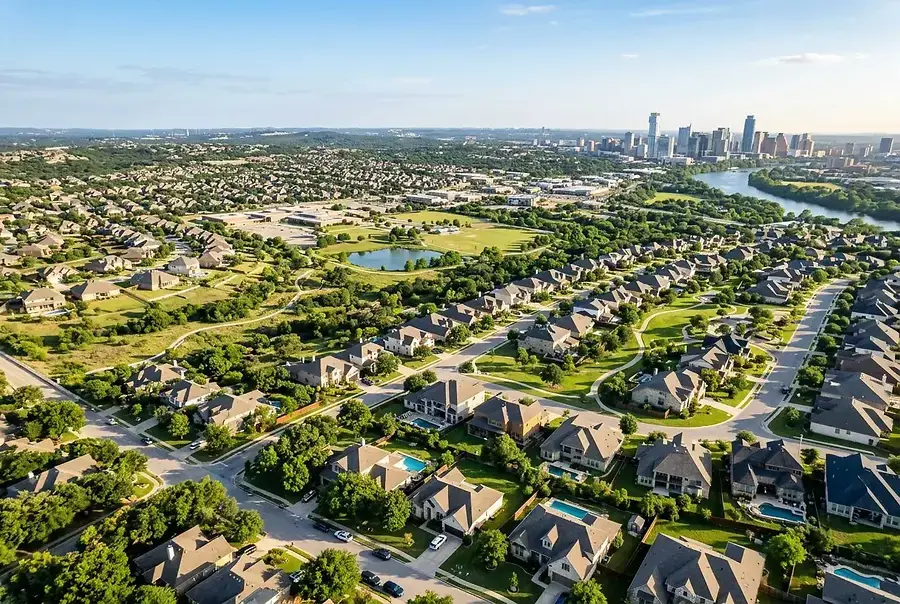
Understanding Home Price Differences in the Greater Austin Region
The Greater Austin metropolitan area has experienced significant population growth and residential development over the past decade. As housing demand has expanded, buyers researching the region often compare multiple communities to understand how home prices, housing inventory, and development patterns differ across the market.
Communities surrounding Austin include a wide range of housing types, from newly built subdivisions to established neighborhoods with older homes. Price ranges can vary depending on property size, location, neighborhood age, and proximity to major transportation routes or employment centers.
Because of these variations, many buyers review home price ranges across several suburbs before narrowing their search. Communities such as Leander, Cedar Park, Round Rock, Georgetown, and Pflugerville are frequently compared with central Austin when evaluating housing availability and affordability within the region.
Home Price Ranges Across Selected Austin-Area Communities
Leander
Leander is located northwest of Austin and has experienced continued residential development in recent years. Housing inventory in the area includes a mix of newer subdivisions and established neighborhoods. In many cases, home prices fall within the mid-range of the Greater Austin market, though pricing varies depending on property size, location, and construction date. Ongoing residential and commercial development continues to add housing options to the area.
Cedar Park
Cedar Park sits between Leander and Austin and includes a mix of established residential areas and newer housing developments. Home prices in Cedar Park generally reflect the community’s proximity to Austin along with its existing infrastructure and retail centers. The housing market includes single-family homes, townhomes, and other residential property types depending on neighborhood.
Round Rock
Round Rock functions as a major employment center within the Greater Austin region and includes business campuses, retail centers, parks, and entertainment venues. Housing inventory ranges from long-established neighborhoods to newer residential developments. Pricing in the area can vary widely depending on location and property characteristics.
Georgetown
Georgetown is located north of Round Rock and is known for its historic downtown district along with a mix of older homes and newer subdivisions. Home prices may differ across neighborhoods based on property size, development pattern, and proximity to local services. Continued residential construction in surrounding areas has expanded the range of housing options available.
Pflugerville
Pflugerville, located east of central Austin, has experienced ongoing residential expansion and commercial growth. The area includes newer housing communities along with parks, retail centers, and transportation access connecting residents to other parts of the metropolitan area. Home prices vary depending on neighborhood development and housing type.
Central Austin
Central Austin contains a broad mix of housing types including condominium developments, apartments, and single-family homes in established neighborhoods throughout the city. Because available land for new residential construction may be more limited, housing inventory in central Austin can differ significantly from surrounding suburban communities. Buyers researching the region often compare suburban housing options alongside central Austin listings when evaluating price ranges and property types.
Factors That Can Influence Home Prices
Location and Transportation Access
Location within the metropolitan area can affect home prices due to proximity to employment centers, transportation routes, and commercial districts. Communities connected to major highways or commuter corridors may provide access to multiple parts of the region.
Commute times can vary depending on destination, traffic conditions, and roadway access, so many buyers review transportation routes when comparing communities.
Development Patterns
Housing prices can also be influenced by neighborhood age and development patterns. Established areas may include older homes with mature landscaping, while newer developments may feature recently constructed properties and expanding infrastructure.
Some communities continue to add residential neighborhoods and commercial centers, which can increase housing inventory and services available nearby.
Local Amenities and Services
Retail centers, restaurants, parks, and entertainment venues may also play a role in how buyers evaluate different locations. Access to these services can vary depending on the surrounding development and the size of the community.
Because the Greater Austin region includes many municipalities and neighborhoods, amenities and services may differ from one area to another.
Population Growth and Regional Demand
Population growth across Central Texas has increased demand for housing throughout the region. As new residents move to the Austin metropolitan area, development has expanded into surrounding suburbs to accommodate additional housing needs.
This growth has contributed to the construction of new residential communities, retail centers, and infrastructure projects across multiple cities in the region.
Comparing Housing Options Across the Austin Metro Area
When researching housing options in the Greater Austin area, buyers often compare several factors including home price ranges, property types, commute routes, and access to local amenities. Evaluating multiple communities can help provide a clearer understanding of how different locations align with housing preferences and budget considerations.
Exploring neighborhoods in person may also provide useful context. Visiting communities, reviewing current listings, and researching third-party information related to schools, transportation routes, and local services can help buyers better understand each area.
The Greater Austin region offers a wide range of housing opportunities across both urban and suburban environments. Comparing price ranges and housing characteristics across communities can help buyers make more informed decisions as they navigate the Austin-area real estate market.


