Understanding New York Commercial Real Estate Market Trends and Opportunities
Discover what's driving investment demand and tenant activity in NYC's competitive commercial sector.

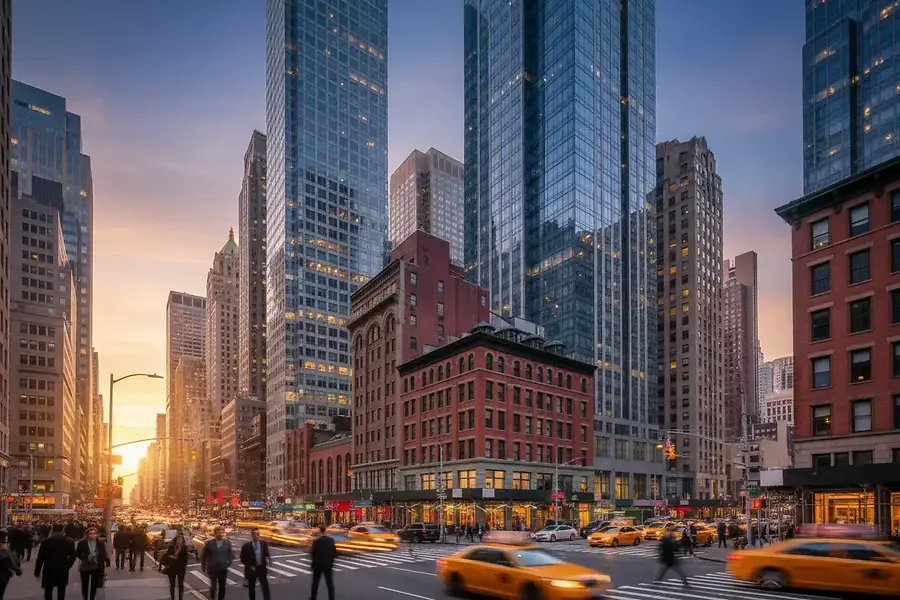
Understanding New York's Commercial Real Estate Landscape
New York City's commercial real estate market remains one of the most dynamic and competitive sectors in the world. The landscape has undergone significant transformation in recent years, shaped by evolving workplace preferences, technological advancement, and shifting economic priorities. Understanding this complex environment is essential for investors, property owners, and tenants seeking to navigate the opportunities and challenges ahead.
The market encompasses diverse property types, including office spaces, retail establishments, industrial facilities, and mixed-use developments. Each segment responds differently to market forces, creating a multifaceted ecosystem where success requires strategic insight and adaptability. The resilience of NYC's commercial real estate sector demonstrates its fundamental strength and enduring appeal to global investors.
The Current Market Environment
Today's commercial real estate market reflects a delicate balance between supply and demand. While certain neighborhoods experience robust activity, others face unique challenges requiring innovative solutions. Flexibility and location quality have become paramount considerations for both landlords and tenants making strategic decisions.
The market has witnessed a notable shift in tenant preferences, with companies increasingly seeking spaces that offer flexibility, modern amenities, and access to transportation. Properties that can adapt to these changing needs are positioned to thrive, while outdated spaces face pressure to modernize or repurpose.
Key Market Drivers and Investment Opportunities
Hybrid Work and Space Utilization
The evolution of work arrangements has fundamentally altered how companies approach real estate. Rather than abandoning office spaces entirely, many organizations are embracing hybrid models that require fewer but higher-quality workspaces. This shift has created opportunities for:
- Premium office conversions featuring collaborative environments
- Flexible workspace solutions and co-working arrangements
- Properties with advanced technology infrastructure
- Locations with excellent public transportation access
Emerging Investment Opportunities
Savvy investors are identifying several promising sectors within NYC's commercial market:
- Life Sciences and Healthcare: Growing demand for specialized laboratory and medical office spaces
- Technology and Innovation Hubs: Neighborhoods attracting tech companies and startups
- Adaptive Reuse Projects: Converting underutilized buildings into modern, mixed-use developments
- Last-Mile Logistics: Industrial properties supporting e-commerce and urban delivery networks
Neighborhood-Specific Trends
Different NYC neighborhoods present distinct opportunities.
Downtown Manhattan continues to reinvent itself with mixed-use developments, while outer boroughs attract tenants seeking more affordable, spacious options with strong community amenities.Emerging neighborhoods offer higher growth potential for investors willing to take calculated risks on up-and-coming areas.
Strategies for Positioning Your Property for Success
Modernization and Amenities
Property owners must prioritize upgrades that appeal to contemporary tenants. Essential improvements include:
- Energy-efficient systems and sustainable building practices
- High-speed internet and advanced technology infrastructure
- Wellness amenities including fitness facilities and outdoor spaces
- Modern lobbies and common areas that reflect current design standards
Flexibility and Adaptability
The ability to accommodate diverse tenant needs is increasingly valuable. Properties offering flexible lease terms, scalable spaces, and modular layouts attract a broader tenant base. Consider implementing:
- Shorter lease options for growing companies
- Convertible spaces that adapt to different uses
- Shared amenities that reduce individual tenant costs
- Rapid turnover capabilities between tenants
Location and Accessibility
Location remains paramount in commercial real estate. Properties near major transit hubs, with easy access to restaurants, services, and cultural amenities, command premium rents. Evaluate your property's proximity to:
- Subway stations and transportation networks
- Complementary businesses and services
- Residential neighborhoods and talent pools
- Parking facilities and vehicle access
Tenant Relations and Retention
Building strong relationships with tenants creates stability and reduces vacancy risk. Responsive management, fair pricing, and proactive maintenance foster long-term partnerships. Properties with high tenant retention rates demonstrate reliability to potential investors and lenders.
Conclusion: Your Path Forward in NYC Commercial Real Estate
New York's commercial real estate market presents compelling opportunities for those who understand its dynamics and adapt to changing conditions. Success requires a combination of strategic thinking, market awareness, and willingness to innovate. Whether you're an investor seeking growth opportunities or a property owner optimizing your asset, the key lies in recognizing and responding to market trends.
The properties that will thrive are those that offer flexibility, quality, and alignment with tenant needs. By investing in modernization, maintaining strong tenant relationships, and positioning your property in desirable locations, you can capitalize on the ongoing demand within NYC's vibrant commercial sector.
The future of New York commercial real estate belongs to those who embrace change and position themselves strategically. Now is the time to evaluate your property, identify opportunities for improvement, and take decisive action to secure your success in this dynamic market.