Winter Home Maintenance Tips for Wisconsin and Illinois Homeowners
Protect your investment with essential seasonal maintenance strategies for the harsh Midwest climate.

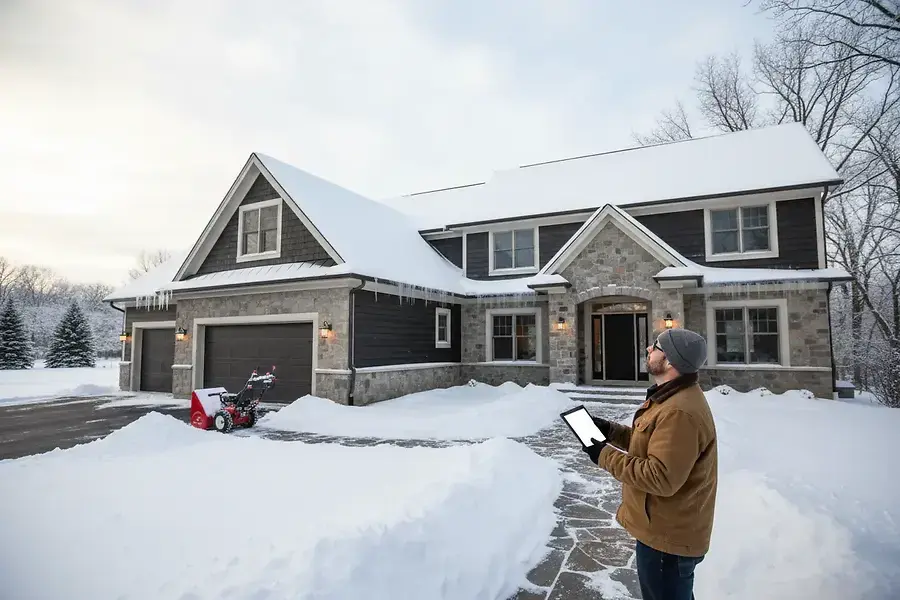
Why Winter Maintenance Matters in Wisconsin and Illinois
Winter in Wisconsin and Illinois brings some of the most challenging weather conditions homeowners face throughout the year. With temperatures plummeting well below freezing, heavy snowfall, and ice accumulation, your home faces significant stress during these months. Proper winter maintenance isn't just about comfort—it's about protecting your investment and preventing costly repairs down the road.
The Midwest climate is particularly unforgiving on residential properties. Freeze-thaw cycles can damage foundations, burst pipes, and compromise structural integrity. By taking proactive steps now, you can avoid emergency repairs, reduce energy costs, and ensure your family stays safe and warm throughout the season.
Preparing Your Home's Exterior for Extreme Cold and Snow
Roof and Gutter Maintenance
Your roof is your home's first line of defense against winter weather. Before the heavy snow arrives, inspect your roof for damaged or missing shingles and have them repaired immediately. Clean gutters thoroughly to ensure proper water drainage and prevent ice dams from forming along the edges.
Ice dams are a common problem in the Midwest, occurring when melted snow refreezes at the roof's edge. This can cause water to back up under shingles and leak into your home. Consider installing gutter guards or heating cables in vulnerable areas to prevent this costly issue.
Weatherproofing Windows and Doors
Air leaks around windows and doors account for significant heat loss during winter. Inspect all weatherstripping and caulking around these openings and replace any that are cracked, missing, or deteriorated. Seal gaps with quality caulk or weatherstripping to maintain your home's thermal envelope.
- Check door sweeps and thresholds for gaps
- Apply fresh caulk around window frames
- Install or repair weatherstripping on all exterior doors
- Consider temporary plastic window insulation kits for older windows
Foundation and Basement Protection
Wisconsin and Illinois winters create significant pressure on foundations through freeze-thaw cycles. Inspect your foundation for cracks and have any significant damage professionally evaluated. Small cracks can be sealed with concrete caulk, but larger issues require professional attention.
Ensure your home's grading slopes away from the foundation to prevent water accumulation. This is critical because water that freezes against your foundation can cause expansion damage. Additionally, clean and maintain your sump pump to handle any water that does accumulate in your basement.
Exterior Faucets and Irrigation Systems
Frozen pipes are a homeowner's nightmare. Shut off water to all exterior faucets and drain the lines completely. Remove garden hoses and store them indoors. If you have an irrigation system, have it professionally winterized or drain it yourself to prevent freeze damage.
Interior Systems and Utilities: Heating, Plumbing, and Insulation Checks
Heating System Inspection
Your heating system will work overtime during Midwest winters. Schedule a professional HVAC inspection before the coldest months arrive. A technician will check your furnace, clean filters, and ensure everything operates efficiently. Replace furnace filters monthly during the heating season to maintain efficiency and air quality.
If you have a fireplace, have the chimney professionally cleaned and inspected. Creosote buildup poses a serious fire hazard, and blockages can cause dangerous carbon monoxide to back up into your home.
Plumbing System Protection
Frozen pipes can burst and cause thousands of dollars in water damage. Protect vulnerable pipes in unheated areas like basements, attics, and crawl spaces by:
- Insulating exposed pipes with foam pipe insulation
- Allowing faucets to drip slightly during extreme cold to keep water moving
- Opening cabinet doors under sinks to allow warm air circulation
- Sealing air leaks near pipes in exterior walls
Know where your main water shut-off valve is located in case of emergency. If a pipe does freeze, you'll need to shut off water immediately to prevent damage.
Insulation and Air Sealing
Proper insulation is your home's thermal armor against harsh winters. Check your attic insulation levels—most Midwest homes should have at least 12-15 inches of insulation. If yours falls short, adding insulation is one of the best investments you can make for energy efficiency.
Seal air leaks throughout your home, particularly around:
- Electrical outlets and switches on exterior walls
- Recessed light fixtures
- Attic access points
- Basement rim joists
- Ductwork in unconditioned spaces
Pro Tip: Consider a professional energy audit to identify hidden air leaks and insulation gaps. Many utility companies offer rebates for energy-efficient upgrades.
Water Heater Maintenance
Winter increases demand on your water heater. Flush sediment from the tank annually to maintain efficiency and extend its lifespan. Check the temperature setting—120°F is ideal for safety and efficiency. Insulate the water heater and hot water pipes to reduce heat loss.
Year-Round Property Protection and Long-Term Value
Winter maintenance isn't just about surviving the season—it's about preserving your home's long-term value. The harsh Midwest climate takes a toll on properties, but homeowners who stay proactive can minimize damage and avoid expensive repairs.
Create a maintenance checklist and address items systematically. Document all work completed, as this record adds value when you eventually sell your home. Regular maintenance demonstrates responsible ownership and helps maintain your property's structural integrity.
Consider establishing a home maintenance fund to cover unexpected repairs. Winter emergencies like burst pipes or furnace failures can be costly, and having financial reserves helps you address problems quickly before they worsen.
By investing time and resources in winter preparation now, Wisconsin and Illinois homeowners can protect their properties, reduce energy costs, and ensure their families stay safe and comfortable through the coldest months. Don't wait until problems arise—take action today to safeguard your home against the Midwest's most challenging season.