A Complete Guide to Fort Wayne's Commercial Zoning Districts
Discover which Fort Wayne neighborhoods offer the best zoning opportunities for your commercial real estate venture.

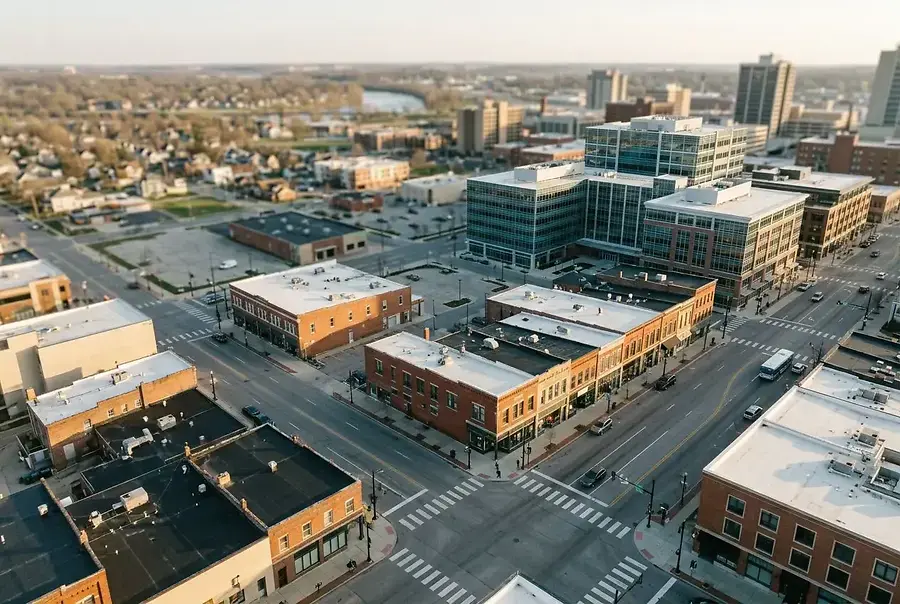
Understanding Commercial Zoning in Fort Wayne
Commercial zoning is a critical factor for any business owner or real estate investor considering a venture in Fort Wayne. Zoning regulations determine what types of businesses can operate in specific areas, the size and scale of commercial developments, and how properties can be utilized. Understanding these regulations is essential for making informed decisions about where to locate your business or invest in commercial real estate.
Fort Wayne's zoning system is designed to balance economic growth with community development. The city has established distinct commercial zones that serve different purposes, from neighborhood retail centers to major commercial corridors. Each zone has specific requirements regarding building height, lot coverage, parking, and the types of businesses permitted to operate within its boundaries.
Whether you're planning to open a small retail shop, establish a professional office, or develop a large commercial complex, understanding Fort Wayne's zoning framework will help you navigate the approval process more efficiently and identify the most suitable locations for your business goals.
Key Commercial Zoning Districts and Their Benefits
C-1: Neighborhood Commercial District
The C-1 zone is designed to serve the everyday shopping and service needs of residential neighborhoods. This district allows smaller-scale retail operations, personal services, and offices that cater primarily to nearby residents. Properties in C-1 zones typically feature lower building heights and smaller lot sizes, making them ideal for independent retailers and service providers.
Benefits of C-1 zoning include:
- Lower development costs due to smaller building requirements
- Strong foot traffic from surrounding residential areas
- Less competition from large chain retailers
- Community-focused business environment
- Easier approval processes for compatible uses
C-2: General Commercial District
C-2 zones accommodate a broader range of commercial uses, including retail stores, restaurants, offices, and service establishments. These districts are typically located along major streets and corridors and allow for larger buildings and more intensive development than C-1 zones. C-2 areas often serve as the backbone of Fort Wayne's commercial landscape.
Key advantages of C-2 zoning:
- Greater flexibility in business types and building sizes
- Higher visibility and accessibility for customers
- Potential for mixed-use developments
- Established infrastructure and utilities
- Strong market demand from multiple business sectors
C-3: Highway Commercial District
C-3 zones are strategically located along major highways and thoroughfares, designed to accommodate large-scale commercial operations. These areas allow for significant building heights, large parking areas, and uses such as shopping centers, hotels, and automotive services. C-3 districts are ideal for businesses that require high visibility and serve regional markets.
Opportunities in C-3 zoning:
- Maximum visibility from major traffic corridors
- Ability to develop large-scale commercial projects
- Access to regional customer bases
- Flexibility for various commercial uses
- Strong appreciation potential for well-located properties
C-4: Downtown Commercial District
The C-4 zone encompasses Fort Wayne's downtown core and is designed to promote urban revitalization and mixed-use development. This district encourages vertical development, with buildings that combine retail on ground floors with offices or residential units above. C-4 zoning supports the creation of vibrant, walkable urban spaces.
Benefits of C-4 downtown zoning:
- Historic character and established business community
- Mixed-use development opportunities
- Walkable urban environment
- Access to public transportation
- Potential for tax incentives and revitalization programs
How Zoning Impacts Property Value and Development Potential
Property Value Considerations
Zoning classification directly influences commercial property values in Fort Wayne. Properties in high-demand zones with flexible use allowances typically command premium prices. The C-3 highway commercial zone, for example, often sees higher valuations due to visibility and accessibility, while C-1 neighborhood zones may offer more affordable entry points for small business owners.
Understanding the zoning classification of a property you're considering is crucial for assessing its true value. A property's potential uses, allowed building height, and permitted business types all affect its marketability and long-term appreciation potential. Properties in zones with broader use allowances generally offer greater flexibility and resilience against market changes.
Development Potential and Future Growth
Zoning regulations also determine a property's development potential. Some zones allow for expansion and intensification of use, while others have strict limitations. Before investing in commercial real estate, consider whether the zoning allows for future growth and whether the area is designated for expansion or redevelopment.
Fort Wayne's comprehensive plan identifies areas targeted for commercial growth and revitalization. Properties in these designated growth corridors may offer exceptional opportunities for investors willing to develop or redevelop properties. Additionally, understanding zoning variance and conditional use permit processes can open additional opportunities for creative development solutions.
Regulatory Compliance and Risk Management
Proper zoning compliance is essential for protecting your investment. Non-compliant uses can result in costly fines, forced business closures, or required property modifications. Before purchasing commercial property or starting a business, verify that your intended use is permitted under the current zoning classification. If your desired use isn't permitted, explore whether a variance or conditional use permit is available.
Working with a real estate professional familiar with Fort Wayne's zoning regulations can help you avoid costly mistakes and identify properties that align with your business objectives.
Making Informed Zoning Decisions for Your Investment
Selecting the right commercial zoning district is one of the most important decisions you'll make as a business owner or real estate investor. Start by clearly defining your business needs, target market, and growth plans. Then, research which zoning districts best accommodate your intended use and serve your target customers.
Consider visiting potential locations at different times of day to assess traffic patterns, visibility, and neighborhood character. Review Fort Wayne's zoning maps and comprehensive plan to understand long-term development trends. Finally, consult with local zoning officials, real estate professionals, and other business owners in your target area to gain insights into the practical implications of zoning regulations.
By taking time to understand Fort Wayne's commercial zoning system and carefully evaluating how different zones align with your business goals, you'll be well-positioned to make informed decisions that support your success and protect your investment for years to come.


