A Complete Guide to Property Taxes in Upstate NY Communities
Learn how property tax assessments work across Syracuse, Rochester, Albany, Cortland, and Watertown to make informed investment decisions.

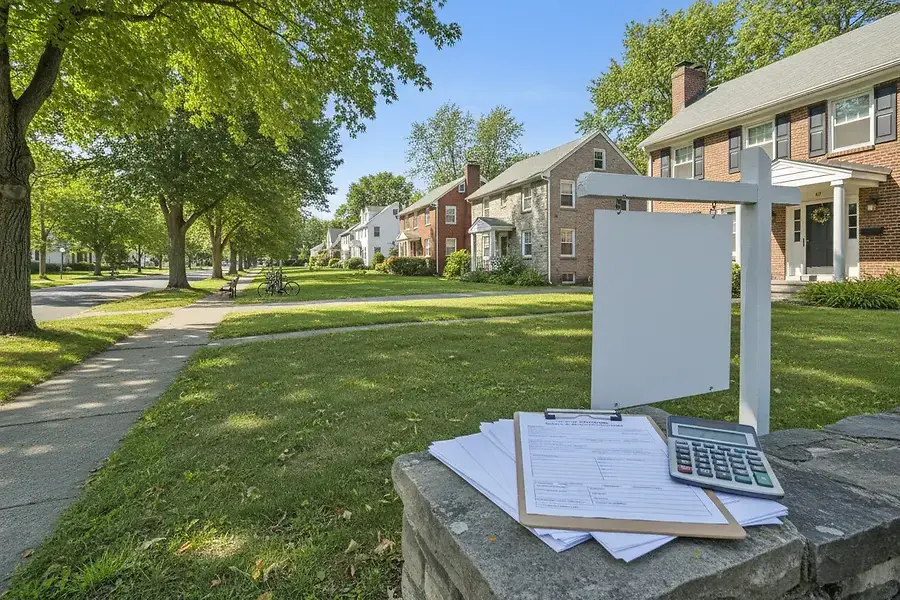
How Property Taxes Are Calculated in Upstate New York
Property taxes in Upstate New York are determined through a straightforward formula that combines your home's assessed value with the local tax rate. Understanding this process is essential for any property owner or investor looking to make informed financial decisions.
The calculation begins with a property assessment, which is conducted by your local assessor's office. The assessor evaluates your property based on several factors, including:
- The property's location and neighborhood characteristics
- Square footage and lot size
- Age and condition of the building
- Recent comparable sales in the area
- Improvements and renovations made to the property
Once the assessed value is determined, the municipality applies a tax rate (also called a millrate) to calculate your annual tax bill. The formula is simple: Assessed Value × Tax Rate ÷ 1,000 = Annual Property Tax.
It's important to note that assessed values are typically lower than market values. New York uses an assessment ratio that varies by property type and municipality, generally ranging from 50% to 100% of market value.
Comparing Tax Rates Across Syracuse, Rochester, Albany, Cortland, and Watertown
Property tax rates vary significantly across Upstate New York communities, making location a critical factor in your real estate investment strategy.
Syracuse
Syracuse maintains a moderate tax rate compared to other major Upstate cities. The city's tax burden reflects its urban infrastructure and services. Property owners should expect competitive rates that balance municipal services with affordability.
Rochester
Rochester typically offers some of the more favorable tax rates in the region. The city's tax structure encourages residential investment while maintaining essential public services. This makes Rochester an attractive option for budget-conscious buyers.
Albany
As New York's capital, Albany has a unique tax structure influenced by state government presence. The city's tax rates are generally moderate, though they can vary significantly between neighborhoods and property types.
Cortland
Cortland represents a smaller community with generally lower property tax rates. This rural-suburban area appeals to those seeking lower tax burdens while maintaining community amenities and services.
Watertown
Watertown's proximity to Fort Drum military base influences its economic landscape and tax structure. The community offers competitive rates that reflect its unique position as a military-adjacent municipality.
Pro Tip: When comparing communities, don't just look at tax rates in isolation. Consider the services provided, school quality, and long-term development plans, as these factors affect property values and overall investment returns.
Strategies to Appeal or Reduce Your Property Tax Assessment
If you believe your property assessment is too high, you have several options to challenge it and potentially reduce your tax burden.
File a Grievance
The most direct approach is to file a grievance with your local assessor's office during the designated grievance period. This formal process allows you to present evidence that your assessment is inaccurate. Documentation you might include:
- Recent appraisals or property valuations
- Comparable sales data from similar properties
- Photos documenting property condition or defects
- Repair estimates for needed maintenance
Request a Reassessment
If your property has declined in value due to market conditions or physical deterioration, request a formal reassessment. Provide evidence of the changed circumstances to support your claim.
Explore Tax Exemptions
Upstate New York offers various tax exemptions for eligible property owners, including:
- Senior citizen exemptions
- Disabled person exemptions
- Agricultural exemptions
- Veterans exemptions
- Clergy exemptions
Check with your local assessor's office to determine if you qualify for any available exemptions.
Hire a Tax Professional
For significant properties or complex situations, hiring a property tax consultant or attorney can be worthwhile. These professionals understand local assessment practices and can effectively advocate on your behalf.
Planning Your Real Estate Budget With Property Taxes in Mind
Incorporating property taxes into your real estate budget is crucial for accurate financial planning and long-term investment success.
Calculate Your True Cost of Ownership
When evaluating a property purchase, don't focus solely on the purchase price. Factor in annual property taxes as part of your total cost of ownership. A property with a lower purchase price but higher tax rate might ultimately cost more than a higher-priced property in a lower-tax community.
Budget for Tax Increases
Property taxes typically increase over time due to inflation and municipal budget needs. When planning your budget, assume a modest annual increase of 2-3% to ensure you're prepared for rising costs.
Consider Tax-Advantaged Strategies
If you're a landlord or investor, consult with a tax professional about deductions and strategies specific to rental properties. You may be able to deduct property taxes as a business expense, reducing your overall tax liability.
Evaluate Long-Term Investment Returns
Compare potential property appreciation against the tax burden in different communities. A property in a lower-tax area might offer better long-term returns, even if it requires a larger initial investment.
Final Thoughts: Property taxes are a significant component of real estate ownership in Upstate New York. By understanding how they're calculated, comparing rates across communities, and exploring strategies to reduce your burden, you can make smarter investment decisions and optimize your real estate portfolio. Take time to research your specific community, consult with professionals when needed, and plan accordingly to maximize your financial success.