A Complete Home Inspection Guide: What Residential Buyers Must Know
Discover the critical inspection points that protect your residential investment and reveal hidden issues before closing.

Understanding the Home Inspection Process: Why It Matters
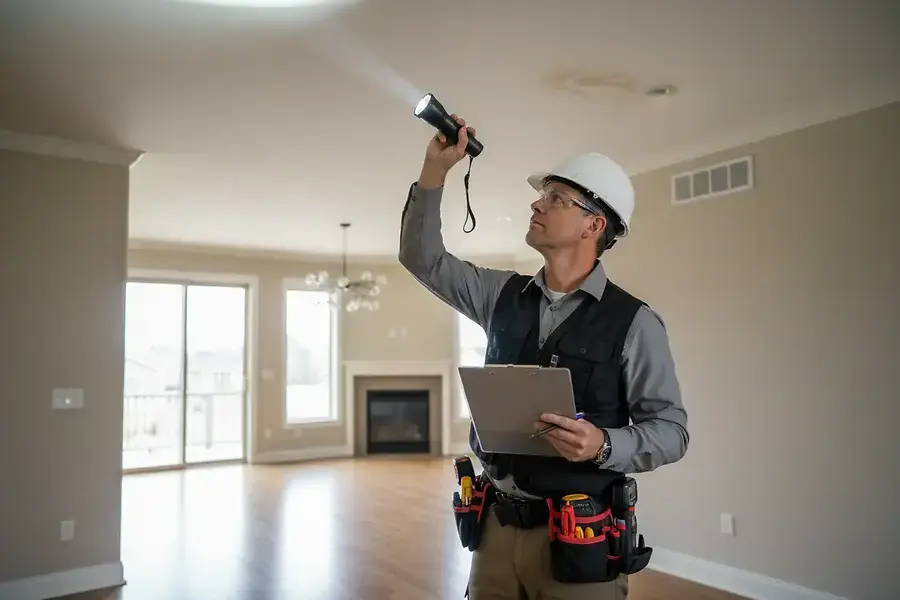
A home inspection is one of the most critical steps in the residential buying process. This professional evaluation provides you with a detailed assessment of the property's condition, helping you understand what you're truly investing in. Unlike an appraisal, which determines the home's market value, an inspection focuses on identifying structural, mechanical, and safety issues that could affect your decision or negotiating power.
Home inspectors are trained professionals who examine virtually every component of a house, from the foundation to the roof. Their goal is to provide you with an honest, unbiased report that empowers you to make informed decisions. Skipping this step or rushing through it could cost you thousands in unexpected repairs down the road.
The inspection typically takes 2-4 hours, depending on the property's size and age. You should always attend the inspection in person, as this gives you the opportunity to ask questions and understand the inspector's findings firsthand.
Key Areas Inspectors Evaluate in Residential Properties
Structural Components
Inspectors begin by examining the home's foundation, walls, and overall structural integrity. They look for cracks, settling, water damage, and signs of pest infestation. A compromised foundation is one of the most expensive issues to repair, so this area receives careful attention.
Roofing and Exterior
The roof is your home's first line of defense against the elements. Inspectors assess:
- Shingle condition and remaining lifespan
- Flashing around chimneys and vents
- Gutters and downspouts
- Siding, windows, and doors
- Drainage patterns around the property
A roof replacement can easily exceed $10,000, making this evaluation crucial for your budget planning.
Plumbing Systems
Inspectors test water pressure, check for leaks, and examine pipes for corrosion or damage. They'll verify that the water heater is functioning properly and assess its age. Hidden plumbing issues can lead to water damage and mold growth, so this inspection is particularly important.
Electrical Systems
A thorough electrical inspection includes checking the panel, outlets, switches, and wiring. Inspectors look for outdated systems, improper installations, and safety hazards. Older homes may have aluminum wiring or insufficient grounding, which pose fire risks.
HVAC Systems
The heating, ventilation, and air conditioning systems are evaluated for age, functionality, and maintenance needs. Inspectors check filters, thermostats, and ductwork. Understanding the condition of these systems helps you budget for potential replacements.
Interior Components
Inspectors examine:
- Walls, ceilings, and floors for damage or water stains
- Doors and windows for proper operation
- Insulation and ventilation
- Appliances (if included in the sale)
- Basement or crawl space conditions
Red Flags and How to Interpret Your Inspection Report
Understanding the Report Format
Inspection reports typically categorize findings into three levels: major issues, minor issues, and recommendations. Major issues require immediate attention and can significantly impact your purchase decision. Minor issues are less urgent but should still be addressed. Recommendations are suggestions for maintenance or improvements.
Critical Red Flags to Watch For
Certain findings should raise serious concerns:
- Foundation problems: Cracks, settling, or water intrusion indicate structural issues
- Roof damage: Missing shingles, leaks, or nearing end of lifespan
- Mold or water damage: Signs of moisture problems that could spread
- Outdated electrical systems: Aluminum wiring or insufficient capacity
- Plumbing issues: Corroded pipes, low water pressure, or sewage problems
- HVAC failure: Systems that are non-functional or extremely old
- Pest infestation: Evidence of termites, rodents, or other pests
Don't Panic Over Minor Issues
Not every finding in an inspection report is a deal-breaker. Older homes naturally have more wear and tear. The key is understanding which issues are cosmetic versus structural, and which require immediate attention versus those that can be addressed over time.
Ask your inspector to clarify any findings you don't understand. Request cost estimates for major repairs when possible, as this information will be valuable during negotiations.
Next Steps: Using Inspection Results to Negotiate and Make Informed Decisions
Deciding Whether to Proceed
After reviewing the inspection report, you have several options: proceed with the purchase as-is, request repairs from the seller, ask for a price reduction, or walk away. Your decision should be based on the severity of issues, repair costs, and your comfort level with the property's condition.
Negotiating with the Seller
Armed with the inspection report, you can negotiate from a position of knowledge. Request that the seller address major issues before closing, or ask for a credit toward repairs you'll handle yourself. Be realistic in your requests—sellers are more likely to agree to reasonable demands than extensive repairs.
Get written quotes for major repairs to support your negotiation position. This demonstrates that your requests are based on actual costs, not inflated estimates.
Planning for Future Maintenance
Even if you proceed with the purchase, use the inspection report as a maintenance roadmap. Address recommended repairs promptly to prevent minor issues from becoming major problems. Budget for upcoming expenses like roof replacement or HVAC servicing based on the inspector's assessment of remaining lifespan.
Final Considerations
Remember that no home is perfect. The goal of a home inspection is to give you complete information so you can make a confident, informed decision. Whether you're buying your first home or your fifth, a thorough inspection is an investment in your peace of mind and financial security.
Take your time reviewing the report, ask questions, and don't hesitate to seek advice from your real estate agent or a trusted contractor if you need clarification on technical matters.


