A Homeowner's Guide to Property Tax Assessments in Chesapeake
Learn how property taxes are calculated and what factors impact your annual tax burden in Chesapeake residential properties.

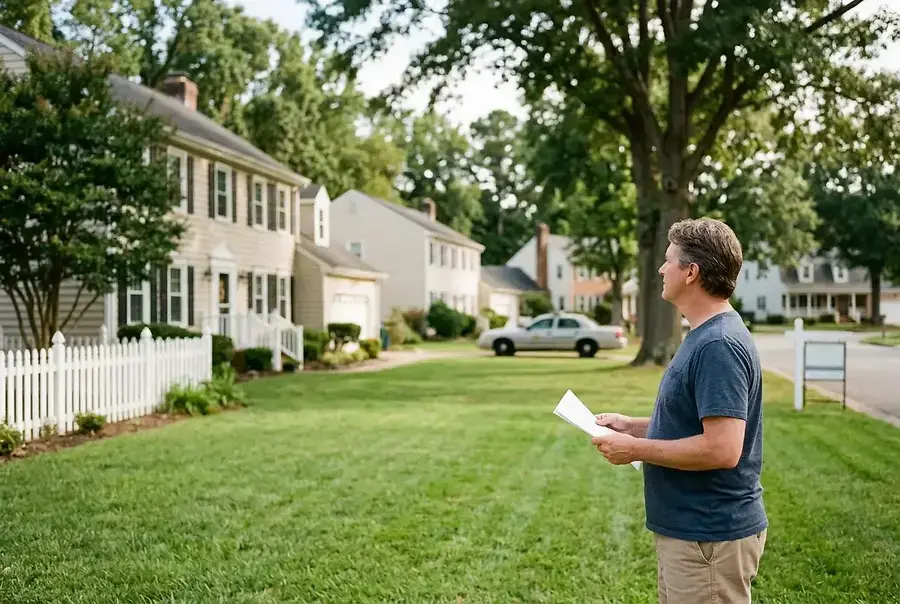
Introduction: Why Property Tax Assessment Matters for Homeowners
Property taxes are one of the most significant financial obligations homeowners face each year. For residents of Chesapeake, understanding how these assessments are calculated can mean the difference between being prepared for your annual tax bill and facing unexpected financial strain. Property tax assessments directly impact your monthly mortgage payments, homeowners insurance costs, and overall housing expenses.
Many homeowners in Chesapeake pay their property taxes without fully understanding how the assessed value of their home is determined. This lack of knowledge can lead to overpaying taxes or missing opportunities to challenge unfair assessments. By taking the time to understand the assessment process, you empower yourself to make informed decisions about your property and finances.
How Chesapeake Calculates Property Tax Assessments
The Assessment Process
Chesapeake's property tax assessment system is based on the fair market value of your property. The city's assessor's office conducts periodic assessments to determine what your home would sell for on the open market. This assessed value is then multiplied by the local tax rate to calculate your annual property tax bill.
The assessment process typically involves:
- Physical inspection of your property by a trained assessor
- Review of recent comparable sales in your neighborhood
- Analysis of property records and deed information
- Evaluation of structural improvements and renovations
- Consideration of lot size and location factors
Understanding Your Assessment Notice
When you receive your property assessment notice, it will include several key pieces of information. The assessed value listed is not necessarily what your home is worth on the market—it's the value used for tax calculation purposes. Your notice will also show the tax rate applied to your assessment and the resulting tax amount due.
Take time to review your assessment notice carefully. Verify that the property details listed are accurate, including square footage, number of bedrooms and bathrooms, and any special features or improvements. Errors in these details can lead to inflated assessments.
Factors That Influence Your Home's Assessed Value
Location and Neighborhood Characteristics
One of the most significant factors affecting your home's assessed value is its location within Chesapeake. Properties in desirable neighborhoods with good schools, low crime rates, and convenient access to amenities typically receive higher assessments. Proximity to waterfront areas, parks, and major employment centers also positively influences assessed values.
Conversely, homes near industrial areas, busy highways, or in neighborhoods experiencing decline may receive lower assessments. The assessor carefully considers these location-based factors when determining fair market value.
Property Size and Physical Characteristics
The size of your lot and the square footage of your home are fundamental factors in assessment calculations. Larger homes on bigger lots generally receive higher assessments than smaller properties. However, the condition and quality of construction also matter significantly.
Key physical characteristics that impact assessment include:
- Total living square footage
- Number of bedrooms and bathrooms
- Age and condition of the structure
- Quality of materials and construction
- Presence of special features (pools, decks, garages)
- Energy efficiency upgrades and modern systems
Recent Improvements and Renovations
When you make significant improvements to your home, expect your assessed value to increase. Major renovations such as kitchen remodels, bathroom upgrades, roof replacements, and additions will likely trigger a reassessment. Even smaller improvements like new flooring, updated HVAC systems, or landscaping enhancements can contribute to a higher assessment.
This is an important consideration when planning home improvement projects. While these upgrades enhance your quality of life and may increase your home's market value, they will also increase your property tax burden. Budget accordingly when undertaking significant renovations.
Market Conditions and Comparable Sales
Assessors use recent sales of comparable properties to help determine fair market value. If homes similar to yours in your neighborhood have sold for higher prices recently, your assessment may increase accordingly. This means that rising real estate markets in Chesapeake can lead to higher property tax assessments even if you haven't made any changes to your home.
Understanding the recent sales activity in your neighborhood gives you insight into whether your assessment is reasonable. If comparable homes have sold for significantly less than your assessed value suggests, you may have grounds to challenge your assessment.
Special Assessments and Tax Exemptions
Certain properties may qualify for special assessments or tax exemptions. Homeowners who are seniors, disabled, or veterans may be eligible for reduced assessments or exemptions. It's important to investigate whether you qualify for any of these programs, as they can significantly reduce your tax burden.
Additionally, some properties may be subject to special assessments for improvements to local infrastructure, such as new roads or water systems. These assessments are separate from regular property taxes and should be clearly identified on your tax bill.
Conclusion: Taking Control of Your Property Tax Future
Property tax assessments don't have to be a mystery. By understanding how Chesapeake calculates these assessments and recognizing the factors that influence your home's value, you can take an active role in managing your tax obligations. Review your assessment notice annually, verify the accuracy of property information, and don't hesitate to challenge assessments you believe are unfair.
If you disagree with your assessment, most jurisdictions allow homeowners to file an appeal within a specific timeframe. Gather documentation of comparable sales, property condition photos, and any relevant information to support your case. Taking action to understand and potentially reduce your property taxes is a smart financial move that can save you thousands of dollars over time.
Remember, your property taxes are not fixed in stone. By staying informed and proactive, you can ensure that you're paying a fair amount based on your home's true market value. This knowledge empowers you to make better financial decisions and take control of your property tax future in Chesapeake.


