A Homeowner's Guide to Property Taxes and Assessments in Dayton, VA
Learn how property taxes are calculated and discover strategies to ensure you're paying a fair assessment on your Dayton home.

Introduction: Why Property Taxes Matter for Dayton Homeowners
Property taxes are one of the largest ongoing expenses for homeowners in Dayton, VA. Understanding how these taxes are calculated and assessed can help you make informed financial decisions about your home investment. Many homeowners pay more than they should simply because they don't understand the assessment process or know how to challenge potentially inflated valuations.
This guide will walk you through Dayton's property tax system, explain how assessments are determined, and provide practical strategies to ensure you're paying a fair amount. Whether you're a new homeowner or have owned property in Dayton for years, this information can help you save money and better understand your tax obligations.
Breaking Down Dayton's Property Tax System and Assessment Process
How Property Taxes Are Calculated
Property taxes in Dayton are calculated using a straightforward formula: Assessed Value × Tax Rate = Annual Property Tax. The assessed value is determined by the local assessor's office and represents a percentage of your property's estimated market value. The tax rate is set by local government entities and varies depending on your location within Dayton and the services you receive.
It's important to understand that your assessed value may differ significantly from your home's actual market value. Assessors use various methods to estimate property values, including:
- Sales Comparison Approach: Comparing your home to recently sold similar properties in the area
- Cost Approach: Calculating the cost to rebuild your home plus the land value
- Income Approach: Used primarily for rental properties based on potential income generation
Understanding the Assessment Process
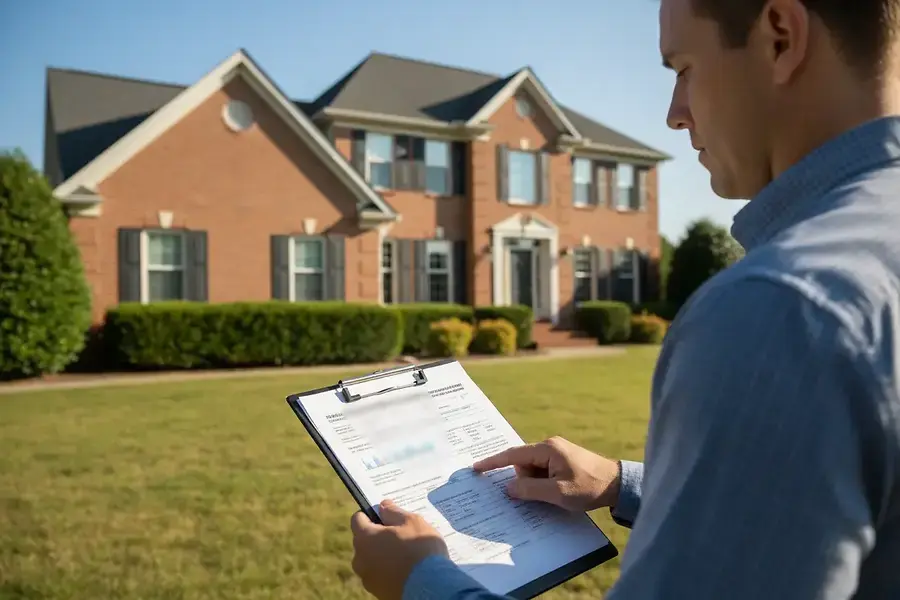
The Dayton assessor's office conducts property assessments to establish fair market values for tax purposes. This process typically involves:
- Physical inspection of your property (exterior and sometimes interior)
- Review of property records and recent sales data
- Analysis of property characteristics such as size, condition, age, and location
- Comparison with similar properties in your neighborhood
Assessments are usually conducted on a regular cycle, though properties may be reassessed if significant changes occur. It's crucial to ensure that the information on file about your property is accurate, as errors in square footage, number of bedrooms, or property condition can lead to inflated assessments.
Key Factors That Affect Your Assessment
Several factors influence how your property is assessed:
- Location and Neighborhood: Properties in desirable areas typically have higher assessments
- Property Size and Square Footage: Larger homes generally have higher values
- Age and Condition: Newer homes or those in excellent condition may be valued higher
- Improvements and Upgrades: Recent renovations can increase your assessed value
- Market Trends: Rising property values in your area can lead to higher assessments
Strategies to Review and Challenge Your Property Assessment
Step 1: Review Your Assessment Notice
When you receive your assessment notice from the Dayton assessor's office, carefully review all the information. Check for errors such as:
- Incorrect square footage
- Wrong number of bedrooms or bathrooms
- Inaccurate property description
- Missing or incorrectly recorded improvements
- Errors in lot size or property boundaries
Even small errors can result in significant tax overpayments over time. If you find mistakes, contact the assessor's office immediately to request corrections.
Step 2: Research Comparable Properties
One of the most effective ways to challenge an assessment is to gather data on comparable properties in your area. Look for homes similar to yours that have recently sold and compare their sale prices to their assessed values. If comparable homes sold for significantly less than their assessed values, you have strong evidence for an appeal.
You can find this information through:
- Public property records and assessor websites
- Real estate websites and MLS listings
- Local real estate agents
- County courthouse records
Step 3: Document Property Defects
If your home has defects or issues that reduce its value, document them thoroughly. This might include:
- Structural problems or foundation issues
- Outdated systems (plumbing, electrical, HVAC)
- Roof damage or needed repairs
- Deferred maintenance
- Environmental concerns or proximity to undesirable features
Professional inspections and repair estimates can strengthen your case when appealing an assessment.
Step 4: File a Formal Appeal
If you believe your assessment is unfair, you have the right to file a formal appeal. Most jurisdictions have specific deadlines for appeals, so act quickly. The appeal process typically involves:
- Submitting a written appeal with supporting documentation
- Attending a hearing before the Board of Equalization or Assessment Appeals Board
- Presenting your evidence and arguments
- Receiving a decision on your appeal
Consider hiring a property tax consultant or attorney if your assessment is significantly high or if the appeal process seems complex.
Step 5: Consider Professional Help
Property tax consultants and attorneys specializing in assessment appeals can be valuable resources. They understand local assessment practices and can effectively present your case. While there's a cost involved, the potential savings often justify the expense, especially for higher-value properties.
Conclusion: Making Informed Decisions About Your Dayton Home Investment
Property taxes are a significant part of homeownership costs in Dayton, VA, but you don't have to accept an unfair assessment without question. By understanding how the assessment process works and taking proactive steps to review and challenge your valuation, you can ensure you're paying a fair amount.
Remember to:
- Review your assessment notice carefully for errors
- Research comparable properties in your area
- Document any property defects or issues
- File an appeal if you believe your assessment is unfair
- Seek professional assistance when needed
Taking these steps not only helps you save money on taxes but also ensures that your property investment is properly valued. Stay informed, stay proactive, and protect your financial interests as a Dayton homeowner.


