A Homeowner's Guide to Understanding Property Tax Assessments
Learn how property taxes are calculated and what you can do to ensure your home is fairly assessed.

Introduction: Why Property Tax Assessments Matter for Homeowners
Property taxes are one of the largest ongoing expenses homeowners face, yet many don't fully understand how their assessments are determined. Your property tax bill directly impacts your monthly mortgage payment, your overall cost of homeownership, and your long-term financial planning. Understanding the assessment process isn't just about saving money—it's about ensuring you're being treated fairly by your local government.
An inaccurate property assessment can result in overpaying taxes for years. Conversely, knowing your rights and the assessment process empowers you to take action if you believe your home has been unfairly valued. This guide will walk you through everything you need to know about property tax assessments.
How Local Assessors Determine Your Home's Assessed Value
The Assessment Process
Local property assessors are responsible for determining the assessed value of your home, which serves as the basis for calculating your property taxes. This process typically involves several steps:
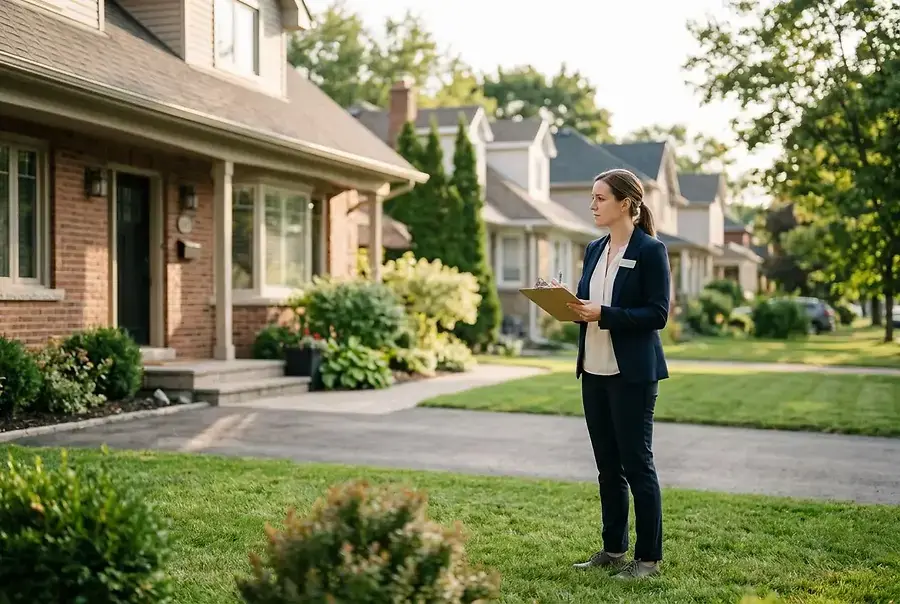
- Physical Inspection: Assessors may visit your property to evaluate its condition, size, and features. They document details like square footage, number of bedrooms and bathrooms, roof condition, and any improvements.
- Market Analysis: Assessors research recent sales of comparable properties in your area to understand current market values.
- Data Collection: Information from public records, permits, and previous assessments is compiled to build a comprehensive profile of your property.
- Valuation: Using standardized methods, assessors calculate an estimated market value for your home.
Assessment Methods
Assessors typically use one or more of three primary valuation approaches:
- Sales Comparison Approach: Comparing your home to recently sold properties with similar characteristics in your neighborhood.
- Cost Approach: Calculating the cost to rebuild your home from scratch, minus depreciation, plus land value.
- Income Approach: Used primarily for rental properties, based on the income the property generates.
Common Factors That Influence Residential Property Tax Rates
Property Characteristics
Several physical attributes of your home directly affect its assessed value:
- Square Footage: Larger homes typically have higher assessments than smaller ones.
- Age and Condition: Newer homes or those in excellent condition may be valued higher than older properties requiring repairs.
- Number of Rooms: Additional bedrooms, bathrooms, and living spaces increase property value.
- Special Features: Pools, garages, decks, and updated systems can significantly impact assessments.
- Lot Size: The amount of land your home sits on influences its overall value.
Location and Market Factors
Where your home is located plays a crucial role in its assessment. Properties in desirable neighborhoods with good schools, low crime rates, and convenient amenities typically receive higher assessments. Market conditions also matter—in areas experiencing rapid growth and rising property values, assessments may increase more quickly.
Recent Improvements and Renovations
Any major improvements you've made to your property—such as a new roof, updated kitchen, or finished basement—will likely be reflected in your assessed value. It's important to keep records of all renovations and their costs, as this documentation can be valuable if you need to challenge your assessment.
Strategies for Challenging an Unfair Assessment and Protecting Your Investment
Review Your Assessment Notice
When you receive your property assessment notice, carefully review all the information. Check for errors such as incorrect square footage, missing or incorrectly listed features, or inaccurate property descriptions. Even small mistakes can inflate your assessed value.
Research Comparable Properties
Gather information about recently sold homes in your neighborhood that are similar to yours. Look for properties with comparable square footage, age, condition, and features. If these homes sold for significantly less than your assessed value, you have strong evidence for a challenge.
Document Your Property's Condition
Take photographs and notes of any deferred maintenance, structural issues, or needed repairs. If your home requires significant work, this can justify a lower assessment. Professional inspections or appraisals can provide credible documentation of your property's actual condition.
File a Formal Appeal
Most jurisdictions have a formal appeal process for property assessments. This typically involves:
- Submitting a written appeal within the specified deadline (usually 30-45 days after receiving your assessment notice)
- Providing evidence supporting your claim that the assessment is too high
- Attending a hearing before the assessment review board or appeals officer
- Presenting your case clearly and professionally
Consider Professional Help
If your property is valuable or the assessment seems significantly off, hiring a property tax consultant or real estate attorney may be worthwhile. These professionals understand local assessment practices and can effectively advocate on your behalf. The cost of professional assistance is often offset by the tax savings achieved through a successful appeal.
Stay Informed About Future Assessments
Keep detailed records of all property improvements, maintenance, and repairs. Monitor your assessment notices annually and stay aware of local real estate market trends. Being proactive helps you catch errors early and build a strong case if you need to challenge future assessments.
Key Takeaway: Property tax assessments significantly impact your finances as a homeowner. By understanding how assessments are determined and knowing your rights, you can ensure your home is fairly valued and protect your investment for years to come.


