A Homeowner's Guide to Understanding Property Taxes in Bloomington
Learn how Bloomington's property tax system impacts your homeownership costs and long-term investment returns.

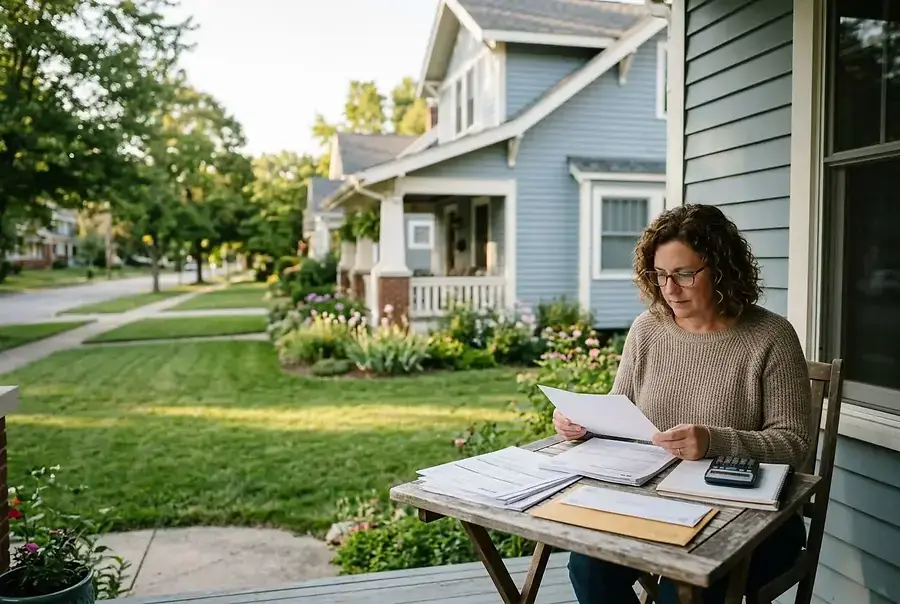
Introduction: The Hidden Cost Most Bloomington Buyers Overlook
When purchasing a home in Bloomington, many buyers focus on the mortgage payment and down payment, but overlook one of the most significant ongoing costs of homeownership: property taxes. Unlike a fixed mortgage rate, property taxes can fluctuate annually and represent a substantial portion of your total housing expenses. Understanding how Bloomington's property tax system works is essential for budgeting, financial planning, and making informed decisions about your real estate investment.
Property taxes fund critical community services including schools, infrastructure, emergency services, and local government operations. However, without a clear understanding of how these taxes are calculated and assessed, homeowners may face unexpected financial burdens or miss opportunities to reduce their tax liability.
How Bloomington's Property Tax Assessment Works
The Assessment Process
Bloomington's property tax system begins with a professional assessment of your home's value. The local assessor's office evaluates properties based on several factors, including:
- Property size and lot dimensions – The total square footage and land area
- Building condition and age – Structural integrity and modernization updates
- Comparable sales data – Recent sales of similar properties in your neighborhood
- Location and neighborhood characteristics – Proximity to amenities and school districts
- Special features – Pools, garages, renovations, and other improvements
This assessed value forms the foundation for your annual property tax bill. It's important to note that the assessed value may differ significantly from your home's market value or the price you paid for it.
Tax Rates and Calculations
Once your property is assessed, the tax rate is applied to determine your final bill. Bloomington's property tax rate is expressed as a percentage of the assessed value. The calculation is straightforward: Assessed Value × Tax Rate = Annual Property Tax.
Tax rates in Bloomington are set by multiple taxing bodies, including the city, county, school district, and special districts. Each entity contributes a portion to your total tax bill. Understanding this breakdown helps you see exactly where your tax dollars are allocated and which services benefit from your payments.
Assessment Appeals and Reviews
If you believe your property has been overassessed, Bloomington provides a formal appeal process. Homeowners can challenge the assessed value by submitting evidence such as recent appraisals, comparable property sales, or documentation of property defects. Filing an appeal is a valuable right that many homeowners underutilize, potentially saving thousands of dollars over time.
Strategies to Minimize Your Tax Burden as a Homeowner
Challenge Your Assessment
The most direct way to reduce your property taxes is to ensure your assessment is accurate. Gather documentation supporting a lower valuation, such as:
- Recent independent appraisals
- Photos documenting property defects or needed repairs
- Sales data for comparable properties in your area
- Evidence of structural issues or outdated systems
Submit your appeal during the designated window, typically before the tax year begins. Many successful appeals result in significant tax reductions.
Explore Tax Exemptions and Credits
Bloomington offers several tax exemptions and credits that homeowners may qualify for, including:
- Homestead exemptions – Available to primary residence owners, reducing assessed value
- Senior citizen exemptions – Special provisions for homeowners over a certain age
- Disability exemptions – Tax relief for disabled homeowners
- Energy efficiency credits – Incentives for green home improvements
Research your eligibility for these programs, as they can substantially lower your annual tax liability without requiring you to challenge your assessment.
Maintain Your Property
Keeping your home in good condition can indirectly help with tax assessments. Well-maintained properties are less likely to be reassessed at higher values due to visible deterioration. Additionally, strategic improvements that enhance functionality without dramatically increasing market value can be beneficial.
Monitor Assessment Changes
Review your property tax bill annually and compare it to previous years. Significant increases may warrant an appeal or further investigation. Some increases are legitimate due to market changes, but others may result from assessment errors that can be corrected.
Work with Tax Professionals
Consider consulting with a property tax professional or real estate attorney, especially if your home is valuable or has unique characteristics. These experts understand Bloomington's specific tax codes and can identify opportunities for savings that individual homeowners might miss.
"Property taxes are one of the largest expenses homeowners face, yet many don't take time to understand or challenge their assessments. Taking action can result in substantial long-term savings."
Conclusion: Making Informed Decisions About Your Bloomington Investment
Understanding Bloomington's property tax system empowers you to make better financial decisions about your home investment. By learning how assessments work, exploring available exemptions, and actively managing your tax liability, you can significantly reduce your housing costs and improve your long-term return on investment.
Property taxes will remain a part of homeownership, but they don't have to be a mystery. Take time to review your assessment, understand your tax bill, and explore the strategies outlined in this guide. Your proactive approach today can lead to substantial savings tomorrow, making your Bloomington home an even smarter financial investment.


