Adaptive Reuse: Converting Commercial Properties in Southwest Florida
Discover how Fort Myers, Port Charlotte, and Bonita Springs business owners are transforming underutilized commercial spaces into profitable ventures.
The Rise of Adaptive Reuse in Southwest Florida's Commercial Market
Southwest Florida's commercial real estate landscape is experiencing a remarkable transformation. Business owners in Fort Myers, Port Charlotte, and Bonita Springs are discovering innovative ways to breathe new life into underutilized commercial spaces. Rather than demolishing aging warehouses, vacant retail locations, and outdated industrial buildings, savvy entrepreneurs are embracing adaptive reuse—a strategy that converts these properties into vibrant, profitable ventures.
This trend reflects a broader shift in how communities approach urban development and sustainability. Adaptive reuse not only preserves the architectural character of Southwest Florida but also creates economic opportunities while reducing waste and environmental impact. From trendy loft apartments in converted warehouses to mixed-use developments combining retail, office, and residential spaces, the region is witnessing a renaissance of commercial property innovation.
Understanding Adaptive Reuse: Converting Warehouses, Retail, and Industrial Spaces
What Is Adaptive Reuse?
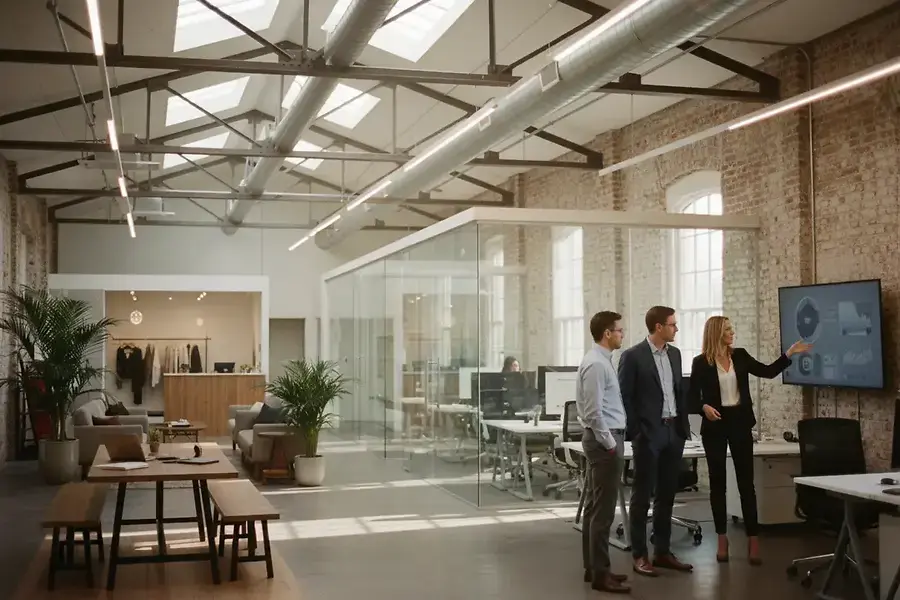
Adaptive reuse is the process of converting buildings originally designed for one purpose into spaces serving entirely different functions. In Southwest Florida, this might mean transforming a 1970s warehouse into modern office lofts, converting an abandoned retail center into a creative workspace hub, or repurposing an industrial facility into a mixed-use entertainment venue.
The beauty of adaptive reuse lies in its flexibility and creativity. Property owners can:
- Preserve historical and architectural elements while modernizing interiors
- Reduce construction costs compared to new development
- Tap into growing demand for unique, character-filled spaces
- Contribute to community revitalization efforts
- Achieve faster project completion timelines
Popular Conversion Projects in Fort Myers, Port Charlotte, and Bonita Springs
Throughout Southwest Florida, innovative conversions are reshaping commercial districts. Fort Myers has seen remarkable success with warehouse-to-loft conversions in its downtown area, attracting young professionals and creative entrepreneurs. Port Charlotte's adaptive reuse projects have focused on transforming retail spaces into collaborative workspaces and small business incubators. Bonita Springs has embraced mixed-use developments that blend residential, retail, and hospitality functions within historic commercial structures.
Common conversion types include:
- Warehouse to Residential/Office Lofts – Creating premium living and working spaces with exposed brick, high ceilings, and industrial aesthetics
- Retail to Food and Beverage Venues – Converting vacant storefronts into restaurants, breweries, and specialty food markets
- Industrial to Creative Spaces – Transforming factories into artist studios, maker spaces, and creative agencies
- Office to Mixed-Use Developments – Combining retail, dining, and entertainment in single properties
- Retail to Hospitality – Converting commercial spaces into boutique hotels and event venues
Key Challenges and Solutions
While adaptive reuse offers tremendous potential, property owners must navigate several challenges. Aging infrastructure, outdated electrical and plumbing systems, and structural concerns require careful assessment. Environmental remediation may be necessary for former industrial sites. Building code compliance and zoning adjustments often demand specialized expertise.
Successful projects address these challenges through:
- Comprehensive structural and environmental assessments before purchase
- Partnering with architects experienced in adaptive reuse
- Working with local government on zoning variances and permits
- Budgeting for unexpected infrastructure upgrades
- Engaging community stakeholders early in the planning process
Local Incentives and Financing Options for Commercial Conversions in Fort Myers, Port Charlotte, and Bonita Springs
Government Incentive Programs
Southwest Florida municipalities recognize the value of adaptive reuse and offer various incentives to encourage property conversions. These programs aim to revitalize commercial districts while supporting economic development.
Available incentives may include:
- Tax Abatement Programs – Temporary reductions in property taxes for completed adaptive reuse projects
- Historic Preservation Tax Credits – Federal and state credits for rehabilitating historic structures
- Expedited Permitting – Faster approval processes for qualifying adaptive reuse projects
- Density Bonuses – Allowances for increased development density in converted properties
- Infrastructure Grants – Municipal funding for public improvements supporting adaptive reuse developments
Property owners should contact their local economic development offices in Fort Myers, Port Charlotte, and Bonita Springs to learn about current incentive programs and eligibility requirements.
Financing Solutions for Adaptive Reuse Projects
Securing financing for adaptive reuse projects requires understanding specialized lending options. Traditional commercial mortgages may not adequately address the unique risks associated with property conversions.
Financing options include:
- Construction-to-Permanent Loans – Flexible financing that covers both renovation and permanent occupancy phases
- SBA Loans – Small Business Administration programs offering favorable terms for qualified borrowers
- Historic Preservation Financing – Specialized loans for projects utilizing historic tax credits
- New Markets Tax Credits – Programs supporting development in underserved communities
- Private Equity and Partnerships – Investor partnerships sharing project risks and returns
- Community Development Financial Institutions (CDFIs) – Lenders focused on economic development projects
Working with lenders experienced in adaptive reuse projects is essential. These specialists understand the unique cash flow patterns and risk profiles of conversion projects, enabling more realistic financing structures.
Cost Considerations and ROI
Adaptive reuse projects typically require significant upfront investment, but the long-term returns can be substantial. Property owners should carefully analyze:
- Acquisition costs and property condition assessments
- Renovation and construction expenses
- Professional fees for architects, engineers, and consultants
- Permitting and compliance costs
- Projected rental income or resale value
- Operating expenses for the converted use
Many successful adaptive reuse projects in Southwest Florida achieve positive cash flow within 3-5 years, with property values appreciating significantly over time.
Positioning Your Commercial Property for Modern Business Success
The adaptive reuse movement in Southwest Florida represents more than just a real estate trend—it reflects a fundamental shift toward sustainable, community-focused development. For property owners with underutilized commercial spaces, adaptive reuse offers a pathway to profitability while contributing to regional economic vitality.
Success requires careful planning, realistic financial projections, and commitment to understanding local market dynamics. Whether you're considering converting a Fort Myers warehouse, a Port Charlotte retail space, or a Bonita Springs industrial property, the opportunities are substantial.
Next steps for interested property owners:
- Conduct a thorough property assessment and market analysis
- Research local incentive programs and financing options
- Consult with experienced adaptive reuse professionals
- Engage with community stakeholders and local government
- Develop a comprehensive business plan and financial model
Southwest Florida's adaptive reuse success stories demonstrate that with vision, expertise, and proper financing, underutilized commercial properties can transform into thriving businesses that benefit owners, communities, and the region's economic future.