Adaptive Reuse: Converting Fort Wayne Industrial Buildings into Modern Spaces
Discover how smart property conversions are creating profitable commercial opportunities in Fort Wayne's evolving industrial landscape.

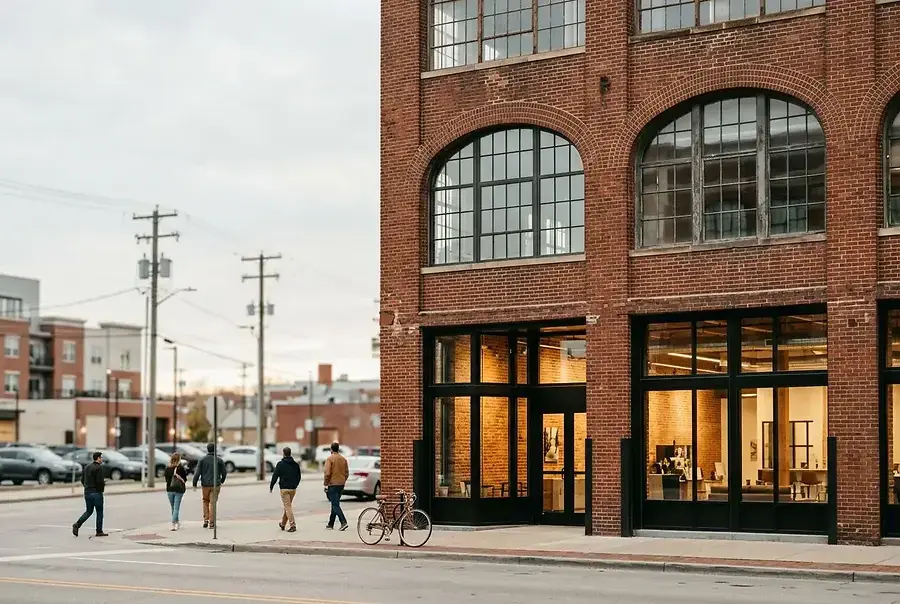
The Rise of Adaptive Reuse in Fort Wayne's Commercial Market
Fort Wayne's industrial heritage has long defined the city's economic landscape. Historic warehouses, manufacturing facilities, and factory buildings stand as monuments to decades of commercial activity. Today, forward-thinking developers and investors are recognizing the tremendous potential hidden within these aging structures. Adaptive reuse—the practice of converting existing buildings for new purposes—has emerged as a transformative strategy that breathes new life into Fort Wayne's commercial real estate market.
The shift toward adaptive reuse reflects broader trends in urban development. Rather than demolishing valuable historic structures, savvy investors are capitalizing on their solid construction, prime locations, and unique architectural character. These conversions create vibrant mixed-use spaces, modern office complexes, residential lofts, and creative commercial hubs that attract businesses and residents alike. The result is a win-win scenario: property owners unlock significant value while the community gains revitalized neighborhoods and preserved architectural heritage.
Fort Wayne's strategic location in Indiana, combined with its existing infrastructure and affordable real estate compared to larger metropolitan areas, makes it an ideal market for adaptive reuse projects. The city's business-friendly environment and growing demand for unique commercial spaces have created a perfect storm of opportunity for investors willing to embrace this innovative approach.
Identifying High-Potential Industrial Properties for Conversion Projects
Location and Market Demand
The first step in any successful adaptive reuse project is identifying properties with genuine conversion potential. Location is paramount—properties near downtown Fort Wayne, along revitalized corridors, or in emerging neighborhoods typically command higher conversion values. Look for buildings positioned to serve growing sectors such as technology, creative industries, healthcare, and professional services.
Conduct thorough market research to understand local demand. Are businesses seeking affordable office space? Is there residential demand for loft-style apartments? Understanding these market dynamics will guide your property selection and conversion strategy.
Structural and Architectural Considerations
Not every industrial building is a suitable candidate for conversion. Evaluate the following factors:
- Structural integrity: Have the building's foundation, walls, and roof professionally inspected. Solid bones are essential for cost-effective conversions.
- Ceiling height: Industrial buildings with high ceilings offer flexibility for modern office layouts, loft apartments, and creative spaces.
- Column spacing: Wide, open floor plans with minimal interior columns provide adaptability for various uses.
- Existing systems: Assess the condition of electrical, plumbing, HVAC, and fire suppression systems. Older infrastructure may require significant upgrades.
- Architectural character: Exposed brick, timber beams, and original architectural details add value and appeal to converted spaces.
Financial Feasibility Analysis
Before committing to a project, conduct a detailed financial analysis. Calculate acquisition costs, renovation expenses, carrying costs during conversion, and projected rental or sale revenues. A property that appears attractive on the surface may prove financially unfeasible once all costs are factored in.
Smart investors recognize that the cheapest property isn't always the best investment—the property that generates the strongest return on investment is.
Consider working with experienced contractors and architects who specialize in adaptive reuse projects. Their expertise can help identify cost-saving opportunities and avoid expensive mistakes.
Navigating Zoning, Permits, and Regulatory Requirements for Adaptive Reuse
Understanding Fort Wayne's Zoning Framework
Fort Wayne's zoning regulations significantly impact adaptive reuse feasibility. Many industrial buildings are located in zones originally designated for manufacturing or warehousing. Converting these spaces to office, residential, or mixed-use purposes may require zoning variances or conditional use permits.
Before purchasing a property, consult with the Fort Wayne Planning Department to understand:
- Current zoning classification and permitted uses
- Requirements for zoning changes or variances
- Setback, parking, and density requirements for your intended use
- Design guidelines and historic preservation requirements
Permit and Approval Process
Adaptive reuse projects typically require multiple permits and approvals. The process generally includes:
- Zoning approval: If your intended use differs from current zoning, you may need a variance or conditional use permit.
- Building permits: Required for structural modifications, mechanical system upgrades, and other construction work.
- Environmental assessments: Phase I and Phase II environmental site assessments identify potential contamination from previous industrial uses.
- Historic preservation review: If the building is designated as historic, modifications must comply with preservation guidelines.
- Fire and life safety compliance: Ensure the converted space meets current fire codes and accessibility standards.
Leveraging Incentives and Tax Benefits
Fort Wayne and Indiana offer several incentives that can improve project economics. Federal Historic Preservation Tax Credits provide substantial deductions for qualified rehabilitation of historic buildings. Additionally, state and local economic development programs may offer tax abatements, grants, or low-interest financing for projects that create jobs or revitalize distressed areas.
Explore programs such as:
- Historic Preservation Tax Credits (federal)
- New Markets Tax Credits
- Indiana Economic Development Income Tax Credits
- Local property tax abatement programs
- Opportunity Zone benefits
Working with tax professionals and economic development specialists can help you maximize available incentives and reduce overall project costs.
Positioning Your Portfolio with Adaptive Reuse Investments
Adaptive reuse represents a compelling investment strategy for forward-thinking real estate professionals. By converting Fort Wayne's industrial buildings into modern, functional spaces, investors create value while contributing to community revitalization.
Success requires careful property selection, thorough due diligence, and expert navigation of regulatory requirements. However, the rewards—both financial and community-oriented—make adaptive reuse an increasingly attractive option in Fort Wayne's evolving commercial landscape.
The buildings that once powered Fort Wayne's industrial economy are ready for their next chapter. With the right vision, expertise, and execution, your adaptive reuse project could become a cornerstone of the city's modern commercial renaissance.