Adaptive Reuse: Converting Historic Buildings in DC and Chevy Chase
Discover how forward-thinking investors are transforming underutilized properties into thriving commercial spaces in the DC-Chevy Chase corridor.

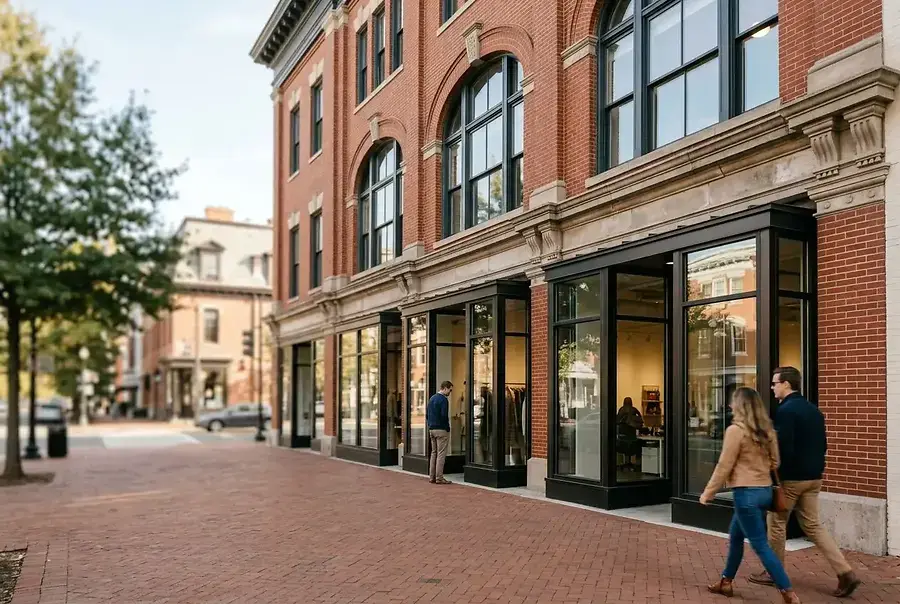
The Rise of Adaptive Reuse in the DC-Chevy Chase Market
The DC-Chevy Chase corridor has emerged as one of the most dynamic markets for adaptive reuse projects in the nation. Adaptive reuse—the process of converting existing buildings into new uses—has become a cornerstone strategy for savvy real estate investors looking to capitalize on the region's rich architectural heritage while meeting modern commercial demands.
This trend is driven by several compelling factors. Historic buildings in the area offer authentic character, established locations, and often lower acquisition costs compared to new construction. Additionally, the growing demand for unique, mixed-use spaces has created unprecedented opportunities for developers willing to navigate the complexities of historic preservation and zoning regulations.
The DC-Chevy Chase market stands out because of its combination of:
- Strong tenant demand for distinctive commercial spaces
- Proximity to major employment centers and transportation hubs
- Community appreciation for historic preservation
- Available tax incentives and financing programs
- Walkable neighborhoods with established infrastructure
Investors who understand how to work within this ecosystem are positioning themselves for significant returns and long-term asset appreciation.
Understanding Zoning Regulations and Historic Preservation Requirements
Navigating the Regulatory Landscape
Before embarking on any adaptive reuse project in DC or Chevy Chase, investors must thoroughly understand the local zoning regulations and historic preservation requirements. These regulations can significantly impact project feasibility, timeline, and profitability.
Key regulatory considerations include:
- Historic District Designation: Properties within historic districts require approval from the Historic Preservation Review Board (HPRB) for exterior modifications
- Zoning Compliance: The proposed new use must align with current zoning classifications or require a variance
- Building Codes: Historic buildings must meet modern safety and accessibility standards while preserving character-defining features
- Environmental Assessments: Phase I and Phase II environmental site assessments are often necessary
Leveraging Tax Incentives
One of the most attractive aspects of adaptive reuse in this region is access to federal and local tax credits. The Federal Historic Preservation Tax Credit can provide substantial financial benefits for qualifying projects, potentially covering 20% of qualified rehabilitation expenses.
"Understanding and leveraging available tax incentives can be the difference between a marginal project and a highly profitable investment. Many developers overlook these opportunities, leaving significant value on the table."
Additionally, DC and Maryland offer local tax incentives that can further enhance project economics. Working with experienced tax advisors and preservation consultants is essential to maximizing these benefits.
Case Studies: Successful Conversions and Their Market Impact
The Former Warehouse District Transformation
One notable example in the DC-Chevy Chase corridor involved the conversion of a 1920s warehouse into a mixed-use development featuring upscale office space, artisan retail, and a signature restaurant. The project required extensive structural rehabilitation while maintaining the building's iconic brick facade and original timber beams.
Key outcomes:
- Achieved 95% occupancy within 18 months of completion
- Generated 40% higher rental rates than comparable new construction
- Created 150+ permanent jobs in the neighborhood
- Attracted complementary businesses to the surrounding area
Historic Bank Building to Modern Office Hub
Another successful case involved transforming a 1950s bank building into a modern office complex. The project preserved the building's distinctive architectural elements—including the original marble lobby and ornate ceiling—while completely modernizing the interior systems and layout.
This conversion demonstrated that historic preservation and contemporary functionality are not mutually exclusive. The building now commands premium rental rates and has become a sought-after address for professional services firms.
Lessons from the Market
These case studies reveal several critical success factors:
- Early Planning: Engage preservation consultants and architects during the acquisition phase
- Realistic Budgeting: Account for unforeseen structural issues and regulatory delays
- Market Research: Ensure strong tenant demand for the proposed use
- Community Engagement: Build relationships with neighborhood stakeholders and preservation advocates
- Professional Team: Assemble experienced developers, architects, and legal counsel
Positioning Yourself as an Adaptive Reuse Specialist
Building Expertise and Market Knowledge
For investors seeking to specialize in adaptive reuse, success requires deep knowledge of the DC-Chevy Chase market, regulatory environment, and preservation best practices. This expertise becomes a competitive advantage that attracts quality tenants, lenders, and potential partners.
Consider these strategies to build your reputation:
- Obtain certification in historic preservation principles
- Develop relationships with local preservation organizations and government agencies
- Document and publicize successful projects through case studies and media coverage
- Network with architects, contractors, and consultants specializing in historic buildings
- Stay current with changes in zoning regulations and tax incentive programs
The Future of Adaptive Reuse
The adaptive reuse market in DC and Chevy Chase shows no signs of slowing. As sustainability concerns drive demand for environmentally responsible development, and as urban professionals increasingly seek distinctive, character-filled spaces, adaptive reuse projects will continue to thrive.
Investors who position themselves as knowledgeable, experienced specialists in this niche will be well-positioned to capitalize on this growing market opportunity. The combination of financial returns, community impact, and the satisfaction of preserving architectural heritage makes adaptive reuse an increasingly attractive investment strategy.
The future belongs to those who can see the potential in the past.


