Adaptive Reuse: Converting Historic Properties to Modern Commercial Spaces
Discover how Central Connecticut property owners are maximizing value by transforming underutilized buildings into vibrant commercial destinations.

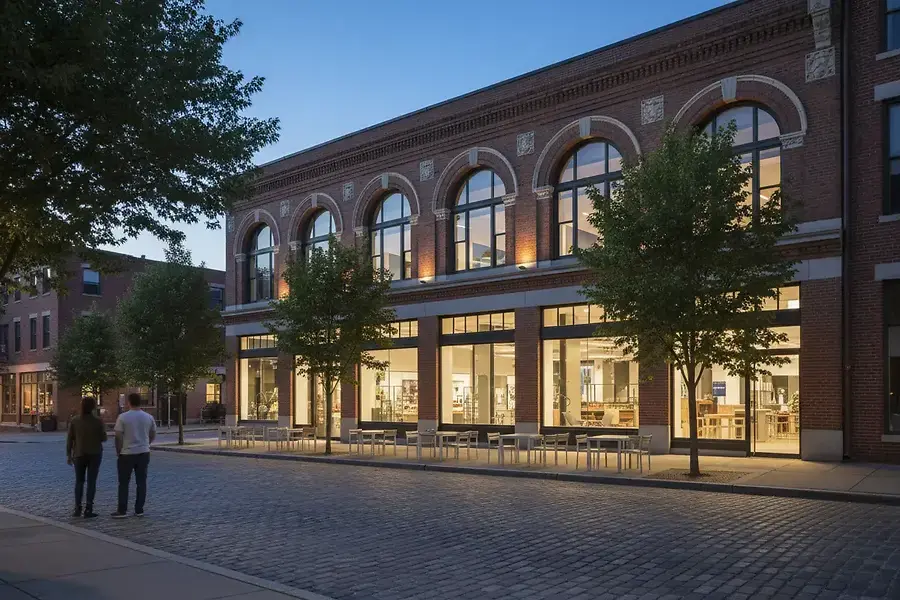
The Growing Trend of Adaptive Reuse in Central Connecticut
Central Connecticut is experiencing a remarkable transformation as property owners discover the tremendous potential hidden within aging, underutilized buildings. Adaptive reuse—the practice of converting existing structures for new purposes—has emerged as a powerful strategy for revitalizing communities while creating valuable commercial spaces. Rather than demolishing historic properties, forward-thinking developers are recognizing that these buildings offer unique character, established locations, and sustainable solutions that new construction simply cannot replicate.
The movement reflects a broader shift in how communities view their architectural heritage. Old mills, warehouses, office buildings, and storefronts are being reimagined as trendy restaurants, boutique offices, creative studios, and mixed-use destinations. This approach not only preserves the visual identity of neighborhoods but also generates economic activity and attracts new businesses and residents to previously overlooked areas.
Why is adaptive reuse gaining momentum? Property owners are discovering that these conversions often cost less than new construction, require shorter development timelines, and tap into growing consumer demand for authentic, character-filled spaces. Additionally, many historic properties benefit from prime locations that would be prohibitively expensive to acquire in today's market.
Understanding Zoning Requirements and Conversion Feasibility for Historic Properties
Navigating Zoning and Land Use Regulations
Before embarking on an adaptive reuse project, property owners must thoroughly understand local zoning requirements and land use regulations. Central Connecticut municipalities have varying codes that govern how buildings can be modified and what uses are permitted. Working with experienced zoning consultants and architects is essential to ensure your project complies with all local requirements.
Key considerations include:
- Current zoning classification and permitted uses
- Setback and parking requirements
- Building height and density restrictions
- Historic district overlay regulations
- Variance and special permit requirements
Many municipalities offer zoning variances or special permits specifically designed to encourage adaptive reuse projects. These regulatory tools can provide flexibility when strict compliance would make a project economically infeasible. Engaging with local planning departments early in the process can reveal opportunities and streamline approvals.
Assessing Structural and Systems Feasibility
Beyond zoning, a thorough structural assessment is critical. Historic buildings often require significant upgrades to meet modern building codes, including:
- Fire safety systems and egress requirements
- ADA accessibility compliance
- HVAC and mechanical systems
- Electrical and plumbing infrastructure
- Roof and foundation repairs
Engaging a qualified structural engineer and building inspector early helps identify potential challenges and budget requirements. While these upgrades represent significant costs, they are often less expensive than demolition and new construction, particularly for larger buildings.
Financial Incentives, Tax Credits, and Funding Options for Adaptive Reuse Projects
Federal and State Tax Credits
One of the most compelling reasons to pursue adaptive reuse is access to substantial financial incentives. The Federal Historic Preservation Tax Credit allows property owners to claim a 20% tax credit on qualified rehabilitation expenses for certified historic structures. This credit can significantly offset project costs and improve financial returns.
Connecticut also offers state-level incentives, including:
- Connecticut Historic Preservation Tax Credits
- Urban and Rural Community Development Zone programs
- Property tax abatements for certain adaptive reuse projects
- Brownfield remediation grants and tax credits
These incentives can reduce net project costs by 25-40%, making previously marginal projects financially viable.
Funding and Financing Options
Beyond tax credits, multiple funding sources support adaptive reuse initiatives:
- New Markets Tax Credits: Provide investor incentives for projects in economically distressed areas
- Community Development Block Grants: Available through HUD for projects serving low-income communities
- Historic Preservation Grants: Offered by state and local heritage organizations
- SBA Loans: Small Business Administration financing for qualified projects
- Private Investment: Growing investor interest in adaptive reuse creates opportunities for partnership and capital
Smart property owners combine multiple funding sources—tax credits, grants, and traditional financing—to create a comprehensive financial strategy that maximizes returns while minimizing risk.
Working with Experienced Professionals
Successfully navigating the financial landscape requires expertise. Assemble a team including:
- Historic preservation consultants
- Tax credit specialists
- Commercial real estate advisors
- Architects experienced in adaptive reuse
- Construction managers with historic building experience
These professionals understand the nuances of regulations, incentives, and best practices that can make the difference between project success and failure.
Positioning Your Property for Long-Term Commercial Success
Adaptive reuse projects that succeed share common characteristics: strategic location selection, thoughtful design that honors historic character while meeting modern needs, and realistic financial planning. Property owners who invest time in understanding their market, securing appropriate financing, and assembling experienced teams position themselves for long-term commercial success.
The adaptive reuse movement in Central Connecticut demonstrates that historic properties are not liabilities—they are assets waiting to be unlocked. By combining preservation with innovation, property owners create vibrant commercial spaces that strengthen communities, generate returns, and preserve architectural heritage for future generations.
If you own a historic property in Central Connecticut, the time to explore adaptive reuse opportunities is now. With favorable incentives, growing market demand, and proven success stories throughout the region, transforming your underutilized building into a thriving commercial destination has never been more achievable.


