Adaptive Reuse: Converting Historic Texas Hill Country Buildings for Modern Commercial Use
Transform century-old structures into profitable commercial spaces while preserving Hill Country character.
The Opportunity in Historic Commercial Properties
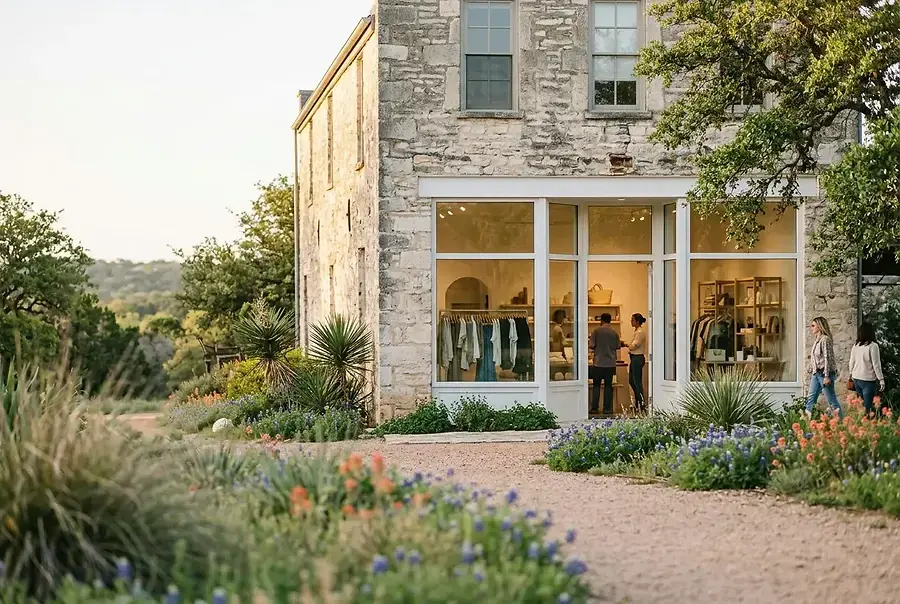
The Texas Hill Country is home to some of the most charming and architecturally significant buildings in the state. Many of these century-old structures stand as testaments to the region's rich heritage, yet they often sit underutilized or vacant. This presents a remarkable opportunity for forward-thinking developers and entrepreneurs who understand the value of adaptive reuse—the practice of converting existing buildings for new purposes while maintaining their historic character.
Adaptive reuse projects in the Hill Country offer multiple advantages beyond preservation. Property owners can access tax incentives, reduce construction costs compared to new builds, and tap into the growing market of consumers who value authentic, locally-rooted commercial spaces. From boutique hotels and restaurants to office spaces and retail shops, the possibilities are virtually limitless.
The demand for distinctive commercial spaces has never been higher. Customers increasingly seek experiences in buildings with character and history, making adaptive reuse projects naturally competitive in today's market. By transforming a historic barn into a restaurant or converting a century-old schoolhouse into office space, you're not just creating a functional building—you're creating a destination.
Understanding Adaptive Reuse Regulations and Requirements in Texas Hill Country
Historic Preservation Guidelines
Before embarking on an adaptive reuse project, it's essential to understand the regulatory landscape. The Texas Hill Country encompasses several counties with varying preservation requirements. Many communities have established historic district designations that protect buildings of architectural or cultural significance.
Key regulatory considerations include:
- National Register Eligibility: Determining if your property qualifies for federal historic preservation tax credits
- Local Historic District Rules: Understanding design guidelines and approval processes specific to your county
- Architectural Review Boards: Navigating the review process for exterior and interior modifications
- Building Code Compliance: Meeting modern safety standards while preserving historic elements
Tax Incentives and Funding Opportunities
One of the most compelling reasons to pursue adaptive reuse is access to federal and state tax credits. The Federal Historic Preservation Tax Credit can offset up to 20% of qualified rehabilitation expenses for buildings listed on the National Register of Historic Places. Texas also offers state-level incentives that can significantly improve project economics.
Additionally, many Hill Country communities provide local grants and low-interest loans to support preservation efforts. These financial tools can make the difference between a marginal project and a highly profitable venture.
Working with Local Authorities
Success in adaptive reuse requires early and ongoing collaboration with local planning departments, historic preservation offices, and architectural review boards. Engage stakeholders early in your project planning to identify potential challenges and opportunities. Building relationships with these entities can streamline the approval process and ensure your project aligns with community values.
Case Studies: Successful Commercial Conversions Across Kendall, Kerr, and Blanco Counties
The Kendall County Warehouse District Transformation
In Kendall County, a series of early 1900s limestone warehouses were successfully converted into a mixed-use commercial district featuring restaurants, galleries, and office spaces. The project preserved the distinctive limestone facades and original architectural details while modernizing interiors for contemporary use. The developers secured federal tax credits and worked closely with the local historic preservation society to ensure authenticity.
"The key to our success was respecting the building's history while creating spaces that modern businesses actually wanted to occupy," explained the project lead. "We didn't fight the historic character—we leveraged it as our competitive advantage."
Kerr County's Historic Schoolhouse-to-Office Conversion
A beautifully preserved 1920s schoolhouse in Kerr County was transformed into a professional office complex serving medical and legal practices. The adaptive reuse maintained the building's iconic bell tower and original wood floors while adding modern amenities, climate control, and technology infrastructure. The project became a model for how historic buildings could serve contemporary professional needs without compromising their architectural integrity.
Blanco County's Barn-to-Restaurant Success Story
Perhaps the most dramatic transformation occurred in Blanco County, where a 19th-century barn was converted into an award-winning restaurant and event venue. The developers preserved the original timber framing and rustic character while installing modern kitchen facilities and dining infrastructure. The project attracted significant media attention and has become a destination venue, demonstrating the commercial viability of bold adaptive reuse decisions.
Positioning Yourself as the Adaptive Reuse Expert in Your Market
Building Your Knowledge Base
To establish yourself as an expert, invest in understanding the technical, regulatory, and financial aspects of adaptive reuse. Consider obtaining certifications in historic preservation, attending industry conferences, and building relationships with specialists including historic architects, preservation engineers, and tax credit consultants.
Developing a Track Record
Start with projects that showcase your expertise and deliver measurable results. Document your successes through before-and-after photography, financial performance data, and client testimonials. These case studies become your most powerful marketing tools when positioning yourself as a market leader.
Networking and Community Engagement
Engage actively with local historic preservation societies, chamber of commerce organizations, and community development groups. Speaking at industry events, publishing articles, and participating in preservation initiatives establishes your credibility and keeps you top-of-mind when opportunities arise.
Staying Current with Trends
The adaptive reuse market continues to evolve. Stay informed about emerging uses—such as co-working spaces, wellness centers, and experiential retail—that align with changing commercial preferences. Understanding these trends allows you to identify opportunities others might miss.
Conclusion: Your Path Forward
Adaptive reuse represents one of the most exciting and rewarding opportunities in the Texas Hill Country real estate market. By combining historic preservation with modern commercial development, you can create spaces that are both economically viable and culturally valuable.
The buildings are there, waiting to be reimagined. The regulations are clear, and the financial incentives are substantial. The market demand is strong, and the competitive advantage is real. What's needed now is your vision, expertise, and commitment to transforming these historic structures into thriving commercial spaces that honor the past while serving the future.
Begin by identifying a property that speaks to you, understanding its regulatory context, and connecting with the right team of specialists. Your journey to becoming the adaptive reuse expert in your market starts with a single project—and the Hill Country is full of possibilities.