Adaptive Reuse: Converting Kansas Industrial Spaces to Modern Commercial Use
Discover how commercial property owners across Wichita, Hutchinson, and surrounding Kansas markets are maximizing returns by transforming underutilized industrial buildings into thriving retail, office, and mixed-use developments.

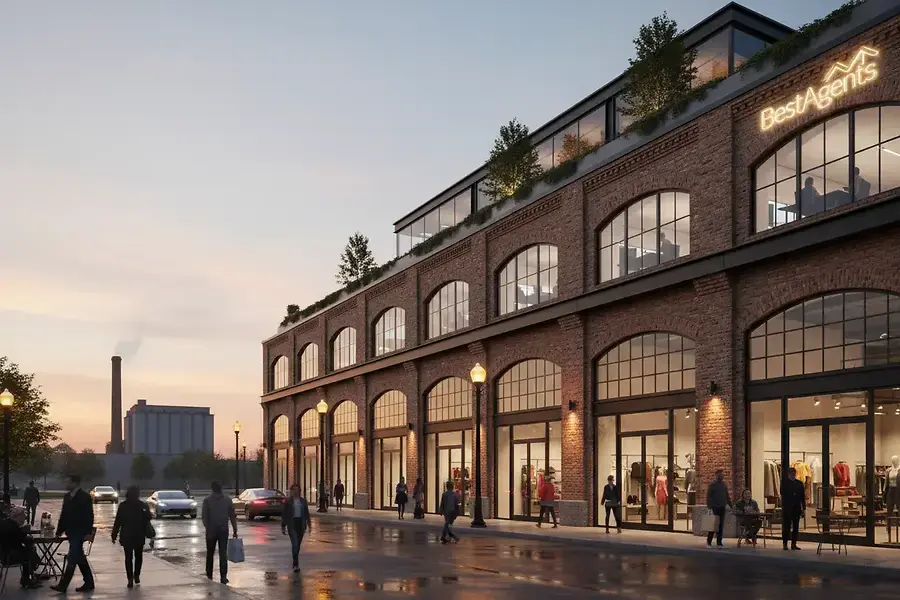
The Growing Opportunity in Adaptive Reuse Commercial Projects
Kansas is experiencing a significant shift in commercial real estate strategy. Property owners across Wichita, Hutchinson, and surrounding markets are recognizing the tremendous potential hidden within aging industrial structures. Rather than allowing these buildings to sit vacant or deteriorate, forward-thinking developers are investing in adaptive reuse projects that breathe new life into these spaces while generating substantial returns.
The adaptive reuse movement represents more than just a trend—it's a practical solution to the challenge of underutilized commercial real estate. These conversions transform warehouses, manufacturing facilities, and industrial complexes into vibrant retail centers, modern office spaces, and dynamic mixed-use developments. The result is a win-win scenario: communities gain revitalized neighborhoods, and investors unlock significant profit potential.
What makes adaptive reuse particularly attractive in the Kansas market is the abundance of available industrial properties combined with growing demand for unique commercial spaces. Many of these buildings feature high ceilings, open floor plans, and solid construction that make them ideal candidates for creative conversions.
Understanding Zoning and Regulatory Requirements for Conversions in Central Kansas
Navigating Local Zoning Regulations
Before embarking on any adaptive reuse project, property owners must thoroughly understand the zoning landscape in their specific Kansas jurisdiction. Zoning regulations vary significantly between Wichita, Hutchinson, and smaller surrounding communities, making it essential to conduct detailed research early in the planning process.
Key considerations include:
- Current zoning classification of the industrial property and whether it permits commercial or mixed-use development
- Conditional use permits that may be required to convert industrial spaces to retail or office use
- Parking requirements that differ based on the intended commercial use
- Building code compliance for safety, accessibility, and occupancy standards
- Environmental assessments to identify any contamination or hazardous materials
Working with Local Authorities and Planning Departments
Successful adaptive reuse projects require strong partnerships with local planning departments and municipal authorities. These agencies can provide valuable guidance on zoning variances, variance applications, and the approval timeline for your specific project.
Engaging with city planners early in the process can significantly reduce project delays and ensure your vision aligns with community development goals.
Many Kansas municipalities actively encourage adaptive reuse through tax incentives, expedited permitting processes, and grant programs. Property owners should inquire about these opportunities, as they can substantially improve project economics.
Environmental and Structural Assessments
Industrial buildings often require comprehensive environmental and structural evaluations before conversion. Phase I and Phase II environmental site assessments identify potential contamination issues, while structural engineers assess the building's integrity and any necessary reinforcements for new uses.
Cost-Benefit Analysis: Investment Returns from Industrial-to-Commercial Transformations
Understanding Project Costs
Adaptive reuse projects involve multiple cost categories that property owners must carefully evaluate:
- Acquisition costs for the industrial property
- Demolition and site preparation expenses
- Structural and mechanical upgrades to meet commercial standards
- HVAC, electrical, and plumbing systems installation or modernization
- Interior finishing including flooring, walls, and aesthetic improvements
- Permitting and professional fees for architects, engineers, and consultants
- Contingency reserves for unexpected issues (typically 10-15% of total budget)
Calculating Return on Investment
The financial appeal of adaptive reuse lies in comparing conversion costs against the market value of the completed commercial space. In Kansas markets, industrial properties typically sell at significant discounts compared to newly constructed commercial buildings. This gap creates the opportunity for substantial profit margins.
For example, a warehouse acquired for $500,000 and converted into retail or office space at a total project cost of $1.2 million might command a market value of $2.0-2.5 million upon completion. This represents a 40-75% return on investment, depending on market conditions and project execution.
Revenue Generation Models
Property owners can generate returns through multiple strategies:
- Direct sale of the completed commercial property
- Lease income from long-term tenant occupancy
- Mixed-use development combining retail, office, and residential components
- Phased development that allows for staged revenue generation
The Kansas market has demonstrated strong demand for converted industrial spaces, particularly in Wichita's downtown and midtown districts, where unique commercial environments command premium rental rates and attract quality tenants.
Tax Incentives and Financial Support
Property owners should explore available tax credits and incentives. The Federal Historic Preservation Tax Credit can offset 20% of qualified rehabilitation expenses for eligible properties. Additionally, many Kansas communities offer local tax abatements, opportunity zone benefits, and economic development grants specifically designed to encourage adaptive reuse projects.
Positioning Your Commercial Property for Long-Term Value Growth
Adaptive reuse represents a strategic approach to commercial real estate investment that aligns with broader market trends favoring unique, character-filled spaces. As Kansas communities continue to evolve, the demand for converted industrial properties is expected to remain strong.
Property owners considering adaptive reuse should:
- Conduct thorough due diligence on zoning, environmental, and structural factors
- Develop detailed financial projections based on realistic market data
- Engage experienced professionals including architects, engineers, and real estate consultants
- Build relationships with local authorities to streamline the approval process
- Consider long-term market trends when planning tenant mix and amenities
The adaptive reuse movement in Kansas offers compelling opportunities for commercial property owners willing to invest in transformation. By understanding regulatory requirements, carefully analyzing project economics, and executing strategic conversions, investors can unlock significant value while contributing to vibrant, revitalized communities across the state.