Adaptive Reuse: Converting Louisville Warehouses to Modern Retail Spaces
Discover how forward-thinking investors are transforming historic industrial buildings into profitable mixed-use commercial properties.

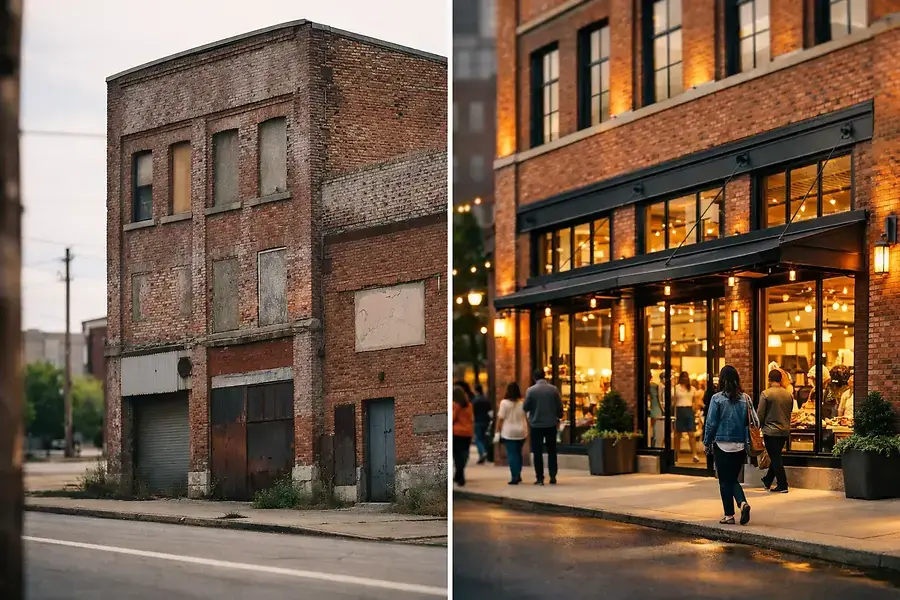
The Rise of Adaptive Reuse in Louisville's Commercial Real Estate Market
Louisville's industrial heritage has long defined the city's character, with historic warehouses and manufacturing facilities dotting the landscape. Today, a new generation of forward-thinking investors is recognizing the immense potential hidden within these aging structures. Adaptive reuse—the practice of converting existing buildings for new purposes—has emerged as one of the most dynamic and profitable trends in Louisville's commercial real estate market.
The transformation of Louisville's warehouse district represents more than just a real estate trend; it reflects a broader shift in how cities approach urban development and sustainability. Rather than demolishing historic structures, savvy investors are breathing new life into these buildings, creating vibrant mixed-use spaces that blend commerce, culture, and community. From trendy retail boutiques to upscale restaurants and creative office spaces, these conversions are reshaping entire neighborhoods and attracting new residents and businesses to the area.
The appeal is clear: historic warehouses offer spacious interiors, distinctive architectural features, and prime locations at a fraction of the cost of new construction. Combined with tax incentives and growing consumer demand for unique retail experiences, adaptive reuse projects have become increasingly attractive to investors seeking both financial returns and community impact.
Understanding the Benefits and Challenges of Converting Industrial Properties
Key Benefits of Warehouse Conversion
Adaptive reuse projects offer numerous advantages that make them compelling investments:
- Cost Efficiency: Purchasing and renovating existing structures typically costs significantly less than new construction, allowing investors to allocate more resources toward quality finishes and tenant improvements.
- Distinctive Character: Historic warehouses feature exposed brick, soaring ceilings, large windows, and original architectural details that modern buildings cannot replicate. These unique qualities command premium rental rates and attract discerning tenants.
- Sustainability: Reusing existing structures reduces waste and environmental impact compared to demolition and new construction, appealing to environmentally conscious businesses and consumers.
- Tax Incentives: Federal and state historic preservation tax credits can offset 20-40% of qualified rehabilitation costs, significantly improving project economics.
- Community Revitalization: Adaptive reuse projects often catalyze neighborhood improvement, attracting complementary businesses and increasing property values throughout the area.
Navigating the Challenges
While the opportunities are substantial, warehouse conversions present legitimate challenges that require careful planning and expertise:
- Structural and Systems Issues: Aging buildings may require extensive structural reinforcement, electrical upgrades, plumbing replacement, and HVAC installation—costs that can quickly escalate if not properly anticipated.
- Hidden Problems: Asbestos, lead paint, mold, and other environmental hazards are common in older industrial buildings. Professional environmental assessments are essential before committing to a project.
- Extended Timelines: Renovation projects often take longer than anticipated due to unforeseen complications, regulatory delays, and the complexity of working within historic structures.
- Financing Complexity: Traditional lenders may be hesitant to finance adaptive reuse projects due to perceived risk. Investors often need to work with specialized lenders or combine multiple financing sources.
- Tenant Fit: Not all businesses are suitable for warehouse spaces. Identifying tenants whose operations align with the building's characteristics is crucial for project success.
Success in adaptive reuse requires a deep understanding of both the building's potential and the market's demands. The most successful projects combine thorough due diligence with creative vision.
Zoning, Permits, and Regulatory Requirements for Warehouse Conversions
Understanding Louisville's Zoning Framework
Louisville's zoning regulations significantly impact adaptive reuse feasibility. Most historic warehouses are located in industrial or mixed-use zones, which may restrict certain retail or commercial activities. Before acquiring a property, investors must thoroughly review the current zoning designation and understand what uses are permitted, conditional, or prohibited.
Key zoning considerations include:
- Current zoning classification and permitted uses
- Parking requirements for proposed tenants
- Setback and height restrictions
- Loading dock and delivery access regulations
- Signage limitations
Navigating the Permit Process
Converting a warehouse requires multiple permits and approvals from various city departments. The process typically includes:
- Building Permits: Required for any structural modifications, electrical work, plumbing, or HVAC installation. Plans must be reviewed and approved by the Building Inspections Department.
- Certificate of Occupancy: Issued after final inspection confirms the building meets all current building codes and is safe for occupancy.
- Historic Preservation Review: If the building is listed on the National Register of Historic Places or is located in a historic district, exterior modifications require approval from the Historic Landmarks Commission.
- Environmental Clearance: Phase I and Phase II environmental assessments document existing conditions and identify remediation needs.
- Tenant-Specific Permits: Depending on proposed uses, additional permits may be required for restaurants, retail operations, or other specialized businesses.
Leveraging Historic Preservation Incentives
Louisville and Kentucky offer substantial incentives for historic preservation projects. The Federal Historic Preservation Tax Credit allows investors to claim 20% of qualified rehabilitation expenses as a tax credit. Additionally, Kentucky's Historic Preservation Tax Credit provides a state-level incentive of up to 25% of qualified costs.
To qualify, projects must meet specific standards set by the National Park Service. Working with experienced preservation consultants ensures compliance and maximizes available incentives.
Positioning Yourself as an Expert in Louisville's Adaptive Reuse Opportunities
The adaptive reuse market in Louisville continues to expand, creating opportunities for investors, developers, and service providers who understand the nuances of warehouse conversions. Success requires a multidisciplinary approach combining real estate acumen, construction expertise, regulatory knowledge, and market insight.
The most successful adaptive reuse professionals invest in continuous learning, build strong relationships with city officials and preservation experts, and stay attuned to market trends and tenant preferences. By mastering the complexities of zoning, permits, financing, and historic preservation, you can position yourself as a trusted advisor in Louisville's dynamic adaptive reuse market.
Whether you're an investor seeking your next project, a developer looking to expand your portfolio, or a service provider supporting these transformations, understanding the opportunities and challenges of warehouse conversion is essential. Louisville's industrial heritage represents not just a collection of aging buildings, but a canvas for creative entrepreneurship and community revitalization. The investors and professionals who recognize this potential and navigate the complexities with expertise will thrive in this exciting market segment.


