Adaptive Reuse: Converting Phoenix Buildings to Commercial Spaces
Discover how adaptive reuse projects are transforming underutilized Phoenix properties into thriving commercial destinations while maximizing returns.

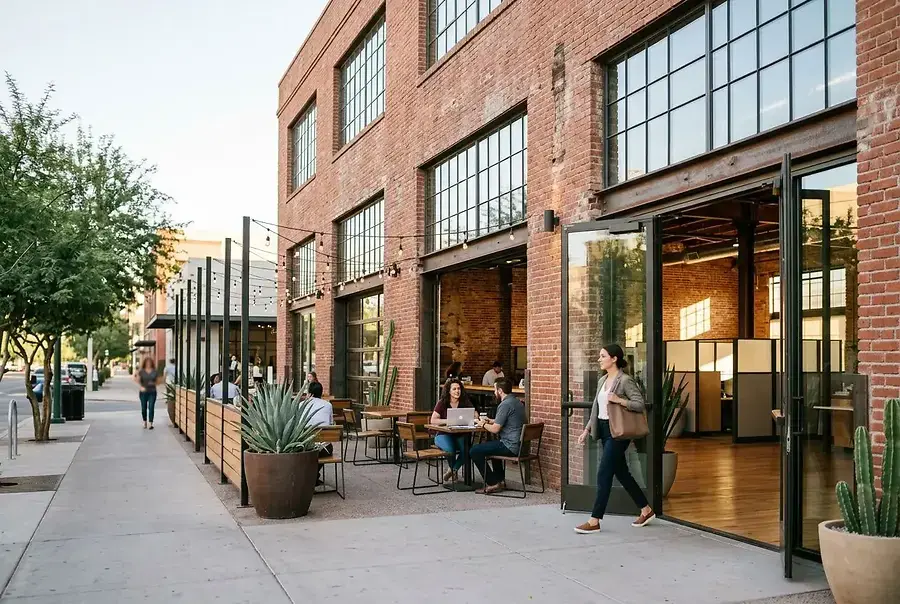
The Rise of Adaptive Reuse in Phoenix's Commercial Market
Phoenix's skyline is experiencing a remarkable transformation. Across the city, forgotten warehouses, historic factories, and abandoned office buildings are being reimagined as vibrant commercial spaces. This trend, known as adaptive reuse, is reshaping the commercial real estate landscape and creating unprecedented opportunities for investors and entrepreneurs alike.
The adaptive reuse movement in Phoenix isn't just about preservation—it's about smart business. As the city continues to grow, property owners and developers are recognizing that converting existing structures can be more profitable, sustainable, and community-friendly than traditional new construction. From trendy loft apartments above retail spaces to innovative office hubs in converted industrial buildings, adaptive reuse projects are becoming the hallmark of Phoenix's modern commercial development.
Understanding Adaptive Reuse: Converting Existing Structures for Commercial Use
What is Adaptive Reuse?
Adaptive reuse is the process of converting buildings originally designed for one purpose into spaces that serve a different function. In Phoenix's commercial sector, this might mean transforming a historic warehouse into a modern office complex, converting an old manufacturing facility into a creative workspace, or repurposing a defunct retail building into a mixed-use commercial destination.
The Conversion Process
Successfully converting a Phoenix building for commercial use involves several key steps:
- Assessment and Planning: Evaluating the structural integrity, zoning compliance, and commercial viability of the existing property
- Design and Architecture: Creating innovative layouts that honor the building's character while meeting modern commercial standards
- Permitting and Compliance: Navigating Phoenix's building codes and securing necessary approvals
- Construction and Renovation: Implementing upgrades while preserving historic elements when applicable
- Tenant Acquisition: Marketing the newly converted space to commercial tenants and businesses
Popular Adaptive Reuse Models in Phoenix
Several adaptive reuse models have proven particularly successful in Phoenix's market:
- Industrial to Office: Converting old manufacturing plants and warehouses into modern office spaces and creative studios
- Historic to Hospitality: Transforming heritage buildings into boutique hotels, restaurants, and entertainment venues
- Retail to Mixed-Use: Repurposing defunct shopping centers into diverse commercial and residential combinations
- Warehouse to Flex Space: Creating flexible commercial environments suitable for startups, tech companies, and collaborative workspaces
Key Benefits: Financial Returns, Sustainability, and Market Advantages
Financial Returns and Investment Potential
One of the most compelling reasons investors are embracing adaptive reuse in Phoenix is the impressive financial returns. Converting an underutilized property can significantly increase its market value and rental income potential. Properties that might have been worth minimal amounts as vacant structures can become premium commercial assets commanding higher lease rates.
Adaptive reuse projects often deliver returns that exceed traditional new construction, particularly when combined with strategic tenant placement and market timing.
Additionally, adaptive reuse projects frequently qualify for tax incentives and historic preservation credits, further enhancing profitability. These financial advantages, combined with lower acquisition costs for underutilized properties, create compelling investment opportunities.
Sustainability and Environmental Benefits
Beyond financial gains, adaptive reuse offers substantial environmental advantages. By repurposing existing structures, developers avoid the resource-intensive process of demolition and new construction. This approach:
- Reduces construction waste and environmental impact
- Preserves embodied energy already invested in existing buildings
- Decreases demand for new raw materials and manufacturing
- Supports Phoenix's sustainability goals and green building initiatives
- Attracts environmentally conscious tenants and customers
For businesses seeking to establish themselves in sustainable, eco-friendly spaces, adaptive reuse buildings offer an authentic commitment to environmental responsibility.
Market Advantages and Competitive Edge
Adaptive reuse properties offer distinct market advantages in Phoenix's competitive commercial landscape. These buildings often feature:
- Unique Character: Historic charm and distinctive architectural elements that differentiate spaces from generic modern buildings
- Prime Locations: Many underutilized properties occupy valuable downtown and central Phoenix locations
- Tenant Appeal: Creative businesses, startups, and forward-thinking companies are drawn to adaptive reuse spaces
- Community Connection: Repurposed buildings often become neighborhood anchors and cultural destinations
- Brand Enhancement: Tenants benefit from the prestige and authenticity associated with adaptive reuse locations
Risk Mitigation and Long-Term Value
While adaptive reuse projects require careful planning, they offer significant risk mitigation benefits. The established location, existing infrastructure, and proven demand for commercial space in these areas reduce speculative risk compared to new development. Furthermore, the distinctive nature of adaptive reuse properties creates barriers to competition, protecting long-term value and tenant stability.
Conclusion: Positioning Your Phoenix Portfolio for Adaptive Reuse Opportunities
Adaptive reuse represents one of the most dynamic and rewarding opportunities in Phoenix's commercial real estate market. By transforming underutilized properties into thriving commercial destinations, investors and developers are creating value while contributing to sustainable urban development.
Whether you're an experienced real estate investor seeking new opportunities or an entrepreneur looking for distinctive commercial space, adaptive reuse projects deserve serious consideration. The combination of financial returns, environmental benefits, market advantages, and community impact makes adaptive reuse an increasingly attractive strategy for Phoenix's commercial future.
The buildings of Phoenix's past are becoming the commercial spaces of its future. Those who recognize and capitalize on adaptive reuse opportunities today will position themselves at the forefront of the city's continued growth and transformation.