Adaptive Reuse: Converting Saint Louis Buildings for Modern Commerce
Discover how smart property conversions unlock profitability in Saint Louis's evolving commercial real estate landscape.

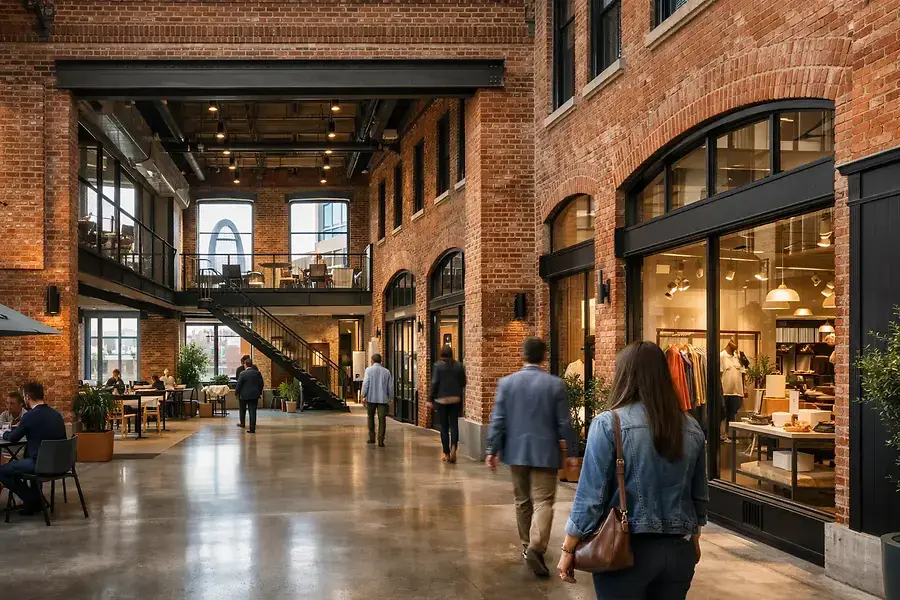
Understanding Adaptive Reuse and Market Demand in Saint Louis
Adaptive reuse has emerged as one of the most compelling opportunities in Saint Louis's commercial real estate market. This strategy involves converting existing buildings—whether historic warehouses, abandoned factories, or underperforming retail spaces—into new commercial uses that meet contemporary market demands. Rather than demolishing aging structures, savvy investors are recognizing the financial and environmental benefits of breathing new life into these properties.
Saint Louis presents a unique landscape for adaptive reuse projects. The city's rich architectural heritage, combined with a growing demand for mixed-use spaces, trendy office environments, and experiential retail, creates ideal conditions for successful conversions. The market demand for authentic, character-filled commercial spaces has never been stronger, with tenants actively seeking locations that offer both functionality and distinctive appeal.
The economic advantages are substantial. Adaptive reuse projects often cost significantly less than new construction while commanding premium rental rates. Additionally, many municipalities, including Saint Louis, offer tax incentives and grants for historic preservation and adaptive reuse initiatives, further improving project economics.
Evaluating Buildings for Successful Commercial Conversion
Structural and Mechanical Assessment
Before committing capital to an adaptive reuse project, thorough due diligence is essential. Begin with a comprehensive structural evaluation to identify any foundation issues, roof conditions, or load-bearing concerns. The integrity of the building's bones will directly impact renovation costs and timeline.
Equally important is assessing mechanical systems. Evaluate the existing HVAC, electrical, and plumbing infrastructure. Modern commercial tenants expect reliable utilities and climate control, so understanding the cost to upgrade or replace these systems is critical for accurate financial projections.
Location and Accessibility
Location remains paramount in commercial real estate. Analyze foot traffic patterns, proximity to public transportation, parking availability, and visibility from major thoroughfares. Buildings in Saint Louis's revitalized neighborhoods—such as the Warehouse District, Midtown, or near the riverfront—often command higher conversion values due to established demand.
Consider the building's accessibility for your target tenant base. Is the space suitable for office workers, retail customers, or creative professionals? Does it accommodate modern accessibility standards? These factors directly influence your ability to attract quality tenants and justify rental rates.
Size and Configuration Flexibility
Evaluate whether the building's layout can be adapted for modern commercial use. Open floor plans, ceiling heights, and column spacing significantly impact usability and rental appeal. Buildings with flexible configurations that can accommodate various tenant sizes and business types offer greater long-term value and lower vacancy risk.
Navigating Zoning, Permits, and Regulatory Requirements
Zoning Compliance and Variances
Saint Louis's zoning regulations vary by neighborhood and district. Before proceeding with conversion plans, verify that your intended use complies with current zoning designations. If your proposed use doesn't align with existing zoning, you may need to pursue a variance or conditional use permit—processes that can extend timelines and add costs.
Engage with the city's planning department early in your evaluation process. Municipal staff can provide invaluable guidance on feasibility and identify potential regulatory obstacles before you've invested significant resources.
Historic Preservation Considerations
Many buildings targeted for adaptive reuse carry historic designations. While these designations unlock valuable tax credits and grants, they also impose restrictions on exterior modifications and require adherence to preservation standards.
Historic preservation requirements may limit design flexibility, but they often result in superior financial outcomes through tax incentives and premium tenant appeal.
Work with preservation specialists and architects experienced in historic adaptive reuse. Their expertise ensures compliance while maximizing the building's commercial potential.
Permitting and Code Compliance
Modern building codes require updates to fire safety systems, accessibility features, and energy efficiency standards. Budget adequately for these upgrades and allow time for the permitting process. Saint Louis's permitting timeline typically ranges from several weeks to several months, depending on project complexity.
Maximizing ROI Through Strategic Repositioning and Tenant Selection
Strategic Repositioning for Market Demand
Successful adaptive reuse projects align building conversions with demonstrated market demand. Conduct thorough market research to identify which commercial uses command the highest rental rates and lowest vacancy rates in your target neighborhood.
Consider emerging trends: flexible office spaces, creative studios, experiential retail, and food and beverage venues consistently outperform traditional office space. Saint Louis's growing startup and creative communities create strong demand for these uses.
Tenant Selection and Lease Strategy
Your tenant mix directly impacts long-term profitability. Prioritize tenants with strong credit profiles, stable business models, and long-term lease commitments. A single high-quality anchor tenant can stabilize a project and attract complementary secondary tenants.
Consider the synergies between tenants. Complementary businesses—such as a coffee shop anchoring office space, or retail supporting residential units—create vibrant mixed-use environments that command premium rents and experience lower turnover.
Financial Optimization
Develop detailed financial models that account for all conversion costs, including contingencies. Factor in:
- Structural and mechanical upgrades
- Permitting and regulatory compliance
- Historic preservation requirements
- Tenant improvement allowances
- Carrying costs during renovation
- Leasing commissions and marketing
Conservative financial projections protect your investment and improve decision-making. Many successful developers build 15-20% contingency reserves into budgets to account for unforeseen conditions common in older buildings.
Adaptive reuse represents a powerful strategy for unlocking value in Saint Louis's commercial real estate market. By thoroughly evaluating properties, navigating regulatory requirements, and strategically positioning buildings for market demand, investors can achieve strong returns while revitalizing the city's built environment. The convergence of market demand, regulatory incentives, and architectural opportunity makes this an ideal time to explore adaptive reuse opportunities in Saint Louis.


