Adaptive Reuse: Converting South Jordan Buildings for Modern Commerce
Transform underutilized properties into thriving commercial spaces that meet today's business demands.

The Growing Demand for Adaptive Reuse in South Jordan
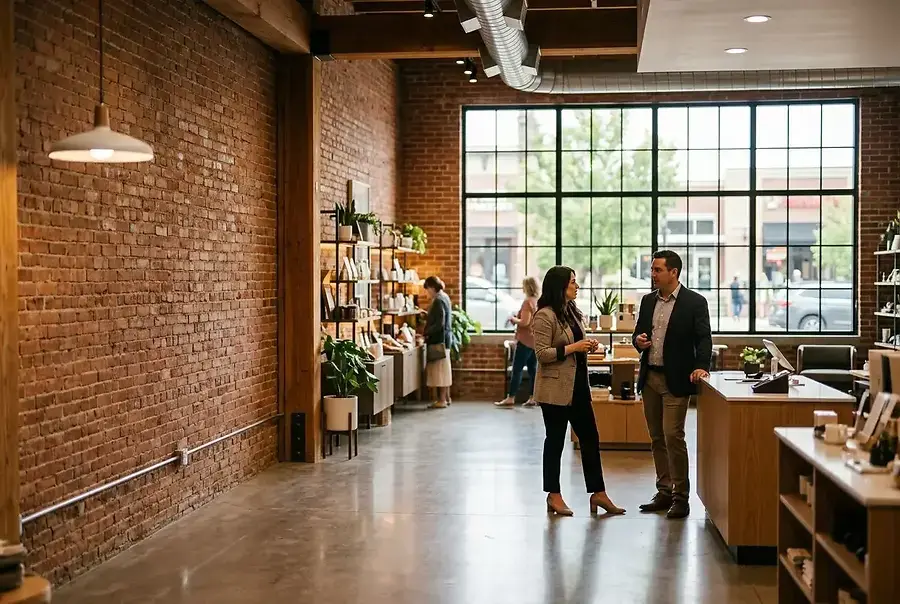
South Jordan's commercial landscape is undergoing a significant transformation. As the city continues to grow and evolve, a growing number of property owners and developers are recognizing the tremendous potential in adaptive reuse—the practice of converting existing buildings for new purposes. Rather than demolishing aging structures or leaving them vacant, forward-thinking entrepreneurs are breathing new life into these properties, creating dynamic commercial spaces that serve modern business needs.
The demand for adaptive reuse projects in South Jordan stems from several compelling factors. Rising construction costs make new development increasingly expensive, while existing buildings offer a more economical alternative. Additionally, there's a growing appreciation for preserving architectural character and reducing environmental waste. Many businesses are drawn to the unique aesthetic and charm that converted historic or vintage buildings provide, setting them apart from standard commercial spaces.
This trend reflects a broader shift in how communities approach urban development. Rather than endless sprawl, adaptive reuse allows South Jordan to maximize the value of its existing infrastructure while creating distinctive spaces that attract tenants and customers alike.
Identifying Prime Candidates: Which Buildings Are Best for Conversion
Structural and Architectural Considerations
Not every building is suitable for adaptive reuse. Successful conversions typically begin with properties that possess solid structural integrity and flexible floor plans. Industrial warehouses, former retail spaces, and older office buildings often make excellent candidates because their open layouts can be easily reconfigured to meet contemporary commercial needs.
Key characteristics to evaluate include:
- Ceiling height and floor-to-ceiling dimensions suitable for modern uses
- Load-bearing capacity to support new equipment and fixtures
- Existing mechanical, electrical, and plumbing systems that can be upgraded
- Natural light availability and window placement
- Parking availability and accessibility for customers and employees
Location and Market Demand
Location remains paramount in commercial real estate. Buildings situated in high-traffic areas with strong foot traffic, proximity to complementary businesses, and good visibility from major roads are ideal candidates. South Jordan's growing population centers and commercial corridors present numerous opportunities for strategic conversions.
Before committing to a project, conduct thorough market research to understand:
- Current demand for commercial space in the target area
- Demographic trends and business growth patterns
- Competition from newer commercial developments
- Potential tenant base and their specific space requirements
Financial Viability
A thorough financial analysis is essential before proceeding with any adaptive reuse project. Calculate the total cost of acquisition, renovation, permits, and contingencies. Compare this against projected rental income and the timeline to profitability. Properties with lower acquisition costs and moderate renovation needs typically offer the best return on investment.
Navigating Permits, Zoning, and Regulatory Requirements
Understanding South Jordan's Zoning Regulations
South Jordan's zoning ordinances play a crucial role in determining what uses are permitted for any given property. Before purchasing a building for adaptive reuse, verify that your intended commercial use is permitted in that zoning district. Some properties may require a zoning variance or conditional use permit, which can extend timelines and increase costs.
Common zoning considerations include:
- Permitted uses within the specific zoning district
- Setback and building envelope requirements
- Parking ratio requirements based on the new use
- Height restrictions and building coverage limits
- Sign regulations and outdoor display restrictions
Building Permits and Code Compliance
Converting a building to a new use requires comprehensive building permits and inspections. Your project must comply with current building codes, including fire safety, accessibility standards (ADA compliance), energy efficiency requirements, and structural safety standards. Older buildings may require significant upgrades to meet these modern standards.
Plan for:
- Comprehensive building inspections and code assessments
- Structural engineering reviews
- Fire safety system upgrades and inspections
- HVAC and mechanical system modernization
- Electrical system upgrades to support new loads
- Plumbing modifications for new uses
Environmental and Historical Considerations
Depending on the building's age and previous use, environmental assessments may be necessary. Phase I Environmental Site Assessments can identify potential contamination from previous industrial or commercial operations. Additionally, if your building has historical significance, you may need to work with preservation authorities to ensure renovations respect the property's heritage.
Engaging with city planning officials early in the process can streamline approvals and help identify potential obstacles before significant investment is made.
Working with Professional Advisors
Successfully navigating the regulatory landscape requires expertise. Assemble a team of professionals including:
- Real estate attorneys familiar with local regulations
- Licensed architects experienced in adaptive reuse
- Structural engineers
- Licensed contractors with renovation experience
- City planning consultants
These professionals can identify potential issues early, help you understand requirements, and advocate on your behalf during the permitting process.
Maximizing Property Value Through Strategic Adaptive Reuse
Adaptive reuse represents a powerful strategy for maximizing property value in South Jordan's dynamic commercial market. By thoughtfully converting underutilized buildings into modern commercial spaces, developers and property owners can:
- Reduce development costs compared to new construction
- Accelerate time to market with existing structures
- Create distinctive spaces that command premium rents
- Contribute to community revitalization and sustainable development
- Preserve architectural heritage while serving contemporary needs
The key to success lies in careful property selection, thorough due diligence, and proactive engagement with regulatory requirements. By identifying prime candidates, understanding zoning and code requirements, and assembling the right professional team, you can transform South Jordan's vacant and underutilized properties into thriving commercial destinations.
As South Jordan continues to grow, adaptive reuse will play an increasingly important role in shaping the city's commercial future. Properties that might otherwise remain dormant can become vibrant hubs of business activity, generating returns for investors while enhancing the community's economic vitality and character.