Adaptive Reuse: Converting Vacant Buildings Into Commercial Gold
Discover how Southern Oregon real estate investors are transforming underutilized properties into thriving commercial spaces.

Introduction: The Commercial Opportunity in Underutilized Properties
Southern Oregon's landscape is dotted with vacant buildings and underutilized properties—former warehouses, abandoned retail spaces, and aging industrial structures that once thrived with activity. Rather than viewing these properties as liabilities, forward-thinking real estate investors are recognizing them as untapped commercial gold. Adaptive reuse, the practice of converting existing buildings for new purposes, has emerged as one of the most profitable and sustainable strategies in the region's real estate market.
The opportunity is compelling. These properties often come with lower acquisition costs than new construction, existing infrastructure, and prime locations that would be prohibitively expensive to develop from scratch. For investors willing to navigate the complexities of conversion projects, the returns can be substantial.
Understanding Adaptive Reuse: Benefits and Market Demand in Southern Oregon
Why Adaptive Reuse Makes Economic Sense
Adaptive reuse projects offer multiple financial advantages that traditional new construction cannot match:
- Lower Initial Investment: Acquiring an existing structure typically costs significantly less than purchasing land and building from the ground up.
- Faster Time to Market: While conversion requires renovation, the foundation and basic structure are already in place, accelerating your path to revenue generation.
- Reduced Development Risk: You're working with known quantities—existing utilities, established neighborhoods, and proven market demand in the area.
- Tax Incentives: Many jurisdictions offer tax credits and incentives for adaptive reuse projects, particularly those that preserve historic character or revitalize neglected areas.
Market Demand in Southern Oregon
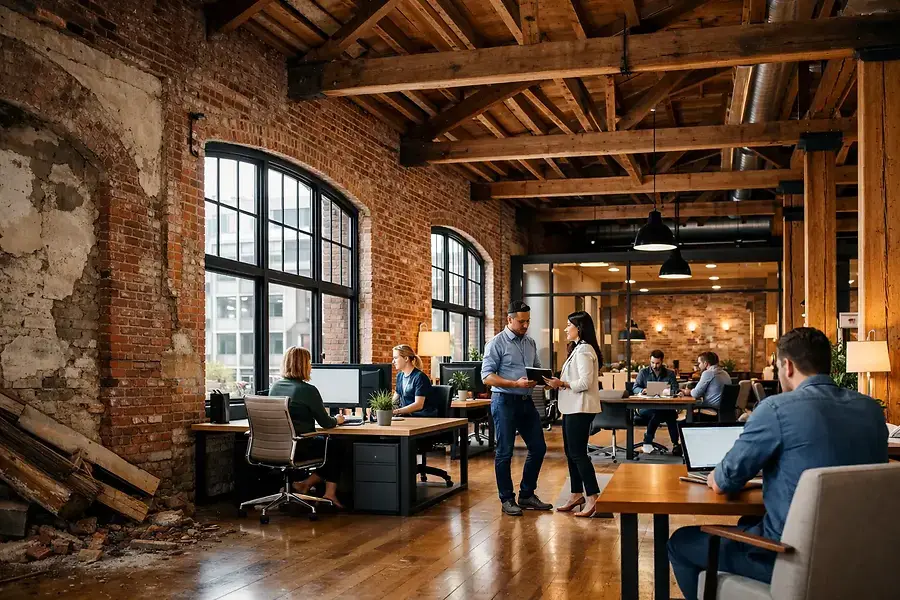
Southern Oregon's commercial real estate market is experiencing a shift in tenant preferences. Businesses increasingly seek character-filled spaces with authentic appeal rather than generic, cookie-cutter commercial buildings. A converted historic warehouse with exposed brick, high ceilings, and unique architectural features can command premium rents from creative agencies, tech startups, boutique retailers, and hospitality ventures.
Additionally, the region's growing population and economic diversification have created demand for diverse commercial spaces—from co-working hubs and maker spaces to specialty retail and food service establishments. Adaptive reuse projects can meet these needs while breathing new life into neighborhoods.
Sustainability and Community Impact
Beyond financial returns, adaptive reuse aligns with growing environmental consciousness. Preserving existing structures reduces construction waste and embodied carbon, making these projects attractive to socially conscious investors and tenants. Communities benefit from revitalized neighborhoods, increased property values, and the preservation of local character and history.
Navigating Zoning, Permits, and Regulatory Requirements for Conversion Projects
Understanding Zoning Challenges
The most significant hurdle in adaptive reuse projects is navigating zoning regulations. A building originally zoned for industrial use may not automatically qualify for commercial retail or office space. Zoning variances and conditional use permits are often necessary, requiring:
- Detailed project proposals and architectural plans
- Environmental assessments and Phase I/II studies
- Traffic impact analyses for new uses
- Parking and accessibility compliance documentation
- Community input and public hearings
Southern Oregon municipalities have varying approaches to adaptive reuse. Some actively encourage these projects with streamlined approval processes, while others maintain stricter requirements. Working with local planning departments early in your process is essential to understand specific requirements and timelines.
Permitting and Building Code Compliance
Converting an existing building to a new use requires comprehensive permitting. Key considerations include:
- Building Code Updates: Older buildings often don't meet current seismic, fire safety, or accessibility standards. Retrofitting can be expensive but is non-negotiable.
- Historic Preservation: If your building has historic designation, additional review and approval processes apply. However, these often unlock valuable tax credits.
- Environmental Compliance: Phase I environmental site assessments identify potential contamination or hazardous materials that must be remediated.
- Utility Infrastructure: Upgrading electrical, plumbing, HVAC, and data systems to support new uses requires careful planning and coordination.
Strategic Approach to Regulatory Navigation
Successful adaptive reuse investors employ a strategic approach:
Engage professionals early: Architects, engineers, environmental consultants, and real estate attorneys should be involved from the initial property evaluation phase, not after you've committed to the purchase.
Build relationships with local planning and building departments. Understanding their priorities and concerns allows you to design projects that align with community goals while meeting your financial objectives.
Budget conservatively for regulatory compliance. Many adaptive reuse projects encounter unexpected costs during the permitting phase. A 15-20% contingency for regulatory and compliance expenses is prudent.
Consider hiring a development consultant familiar with Southern Oregon's specific regulatory landscape. Their expertise can accelerate approvals and prevent costly mistakes.
Conclusion: Positioning Yourself as the Adaptive Reuse Expert in Your Market
Adaptive reuse represents a significant opportunity for Southern Oregon real estate investors willing to master its complexities. The convergence of lower acquisition costs, strong market demand for distinctive commercial spaces, and community support for revitalization creates an ideal environment for these projects.
Success requires more than identifying a vacant building. It demands deep understanding of local zoning and permitting processes, strategic partnerships with professional advisors, and patience through the regulatory approval timeline. The investors who thrive in this space are those who view regulatory navigation not as an obstacle, but as a competitive advantage.
By developing expertise in adaptive reuse, you position yourself as a valuable resource in your market. You'll attract quality tenants seeking distinctive spaces, build relationships with local officials who appreciate your professionalism, and create lasting value in your community. In Southern Oregon's evolving real estate landscape, adaptive reuse isn't just a strategy—it's the future of commercial development.