Adaptive Reuse: Converting Vacant Buildings Into Commercial Spaces
Discover how Bertram and Katy property owners are transforming underutilized structures into thriving commercial assets.

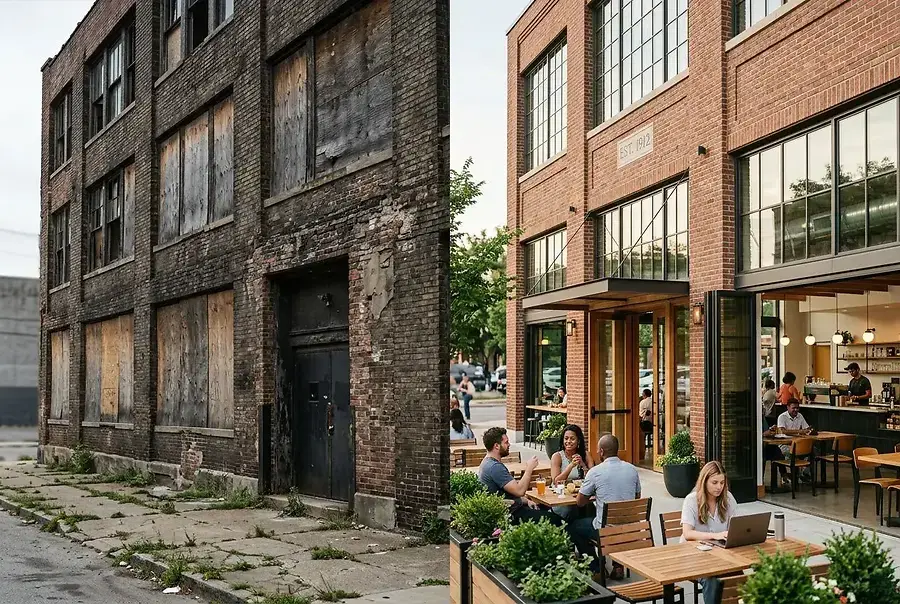
The Commercial Real Estate Challenge in Growing Texas Markets
Texas is experiencing unprecedented growth, with communities like Bertram and Katy expanding rapidly. However, this expansion comes with a challenge: vacant and underutilized buildings that once served thriving businesses now sit empty, creating eyesores and missed economic opportunities. These structures represent untapped potential for forward-thinking investors and developers.
Rather than demolishing these buildings or leaving them to deteriorate, a growing number of property owners are embracing adaptive reuse—the practice of converting existing structures for new purposes. This approach not only revitalizes communities but also offers significant financial and environmental benefits.
Understanding Adaptive Reuse: Benefits and Strategic Advantages for Investors
What is Adaptive Reuse?
Adaptive reuse involves renovating and repurposing existing buildings to serve new commercial functions. An old warehouse might become a trendy office space, a former retail building could transform into apartments or a restaurant, and abandoned factories can be converted into mixed-use developments.
Key Benefits for Property Owners
- Cost Efficiency: Retrofitting existing structures is often significantly cheaper than new construction, reducing development timelines and expenses.
- Environmental Impact: Reusing buildings reduces waste and the carbon footprint associated with demolition and new construction materials.
- Unique Character: Adaptive reuse projects often retain architectural charm and historical elements that attract tenants and customers seeking distinctive spaces.
- Tax Incentives: Many jurisdictions offer tax credits and incentives for adaptive reuse projects, particularly those involving historic buildings.
- Community Revitalization: Converting vacant spaces into vibrant commercial areas boosts local economies and increases property values in surrounding neighborhoods.
- Faster Market Entry: Existing structures can be brought to market more quickly than new construction projects.
Strategic Advantages for Investors
Investors in adaptive reuse projects benefit from reduced competition compared to traditional development. The market for creative, character-filled commercial spaces continues to grow, particularly among younger businesses and entrepreneurs seeking affordable, distinctive locations. This demand creates strong rental potential and appreciation opportunities.
"Adaptive reuse isn't just about preserving the past—it's about building a more sustainable and economically vibrant future for our communities."
Case Studies: Successful Conversions in Bertram and Katy's Commercial Landscape
The Historic Warehouse District Transformation
In Bertram, a series of early 1900s warehouse buildings sat vacant for over a decade. A local developer recognized the potential and converted these structures into a mixed-use complex featuring creative office spaces, artisan studios, and ground-floor retail. The project attracted young entrepreneurs and small businesses seeking affordable, character-filled workspaces. Today, the district thrives with restaurants, galleries, and tech startups, becoming a destination for both commerce and culture.
The Katy Commercial Conversion Success
A former retail shopping center in Katy faced declining foot traffic as newer developments opened nearby. Rather than accept obsolescence, the property owner partnered with a developer to reimagine the space. The conversion included:
- Modern office suites for professional services firms
- A state-of-the-art fitness and wellness center
- Specialty retail and food service establishments
- Event and conference facilities
The revitalized property now operates at near-full occupancy with a waiting list of potential tenants, demonstrating the strong demand for thoughtfully converted commercial spaces.
Getting Started: Steps to Evaluate and Execute Your Adaptive Reuse Project
Step 1: Conduct a Thorough Property Assessment
Before committing to an adaptive reuse project, evaluate the building's structural integrity, mechanical systems, and code compliance requirements. Hire qualified engineers and architects to assess renovation costs and feasibility. Understanding the true condition of the property is essential for accurate financial projections.
Step 2: Research Market Demand and Zoning
Analyze local market trends to identify what types of commercial spaces are in demand. Review zoning regulations and building codes to ensure your intended use is permitted. Some adaptive reuse projects may require zoning variances or special permits, which can extend timelines and increase costs.
Step 3: Develop a Comprehensive Business Plan
Create a detailed financial model including renovation costs, financing options, projected rental income, and operating expenses. Factor in contingencies for unexpected structural issues. A solid business plan is essential for securing financing and attracting investors.
Step 4: Explore Funding and Incentive Opportunities
Research available tax credits, grants, and incentive programs. Many states and municipalities offer financial support for adaptive reuse projects, particularly those that preserve historic structures or revitalize underutilized areas. These incentives can significantly improve project economics.
Step 5: Assemble Your Team
Partner with experienced architects, contractors, and project managers who understand adaptive reuse challenges. Their expertise in navigating structural constraints, code requirements, and creative problem-solving is invaluable. Consider hiring consultants specializing in historic preservation if applicable.
Step 6: Plan for Phased Development
Large adaptive reuse projects often benefit from phased approaches, allowing you to generate revenue from completed sections while continuing renovations. This strategy improves cash flow and reduces financial risk.
Step 7: Execute and Monitor
Once construction begins, maintain rigorous project management and quality control. Regular communication with contractors and stakeholders ensures the project stays on schedule and within budget. Document the transformation process—before and after photos make compelling marketing materials.
The Future of Adaptive Reuse in Texas
As Texas communities continue growing, adaptive reuse will play an increasingly important role in sustainable development. Property owners who recognize the potential in vacant and underutilized buildings position themselves to capitalize on strong market demand for distinctive, affordable commercial spaces.
Whether you're a seasoned investor or exploring your first development project, adaptive reuse offers a compelling opportunity to create value while revitalizing communities. The success stories emerging from Bertram and Katy demonstrate that with careful planning, strategic vision, and the right team, yesterday's vacant buildings can become tomorrow's thriving commercial assets.