Adaptive Reuse Opportunities in Boston and Quincy Commercial Markets
Transform underutilized buildings into profitable ventures with proven adaptive reuse strategies for the Greater Boston area.

Introduction: Understanding Adaptive Reuse in Commercial Real Estate
Adaptive reuse has emerged as one of the most dynamic and sustainable approaches to commercial real estate development. Rather than demolishing aging or underutilized buildings, adaptive reuse transforms these structures into vibrant, profitable spaces that serve modern market demands. This strategy not only preserves architectural heritage but also offers investors significant financial advantages and environmental benefits.
In the Greater Boston area, adaptive reuse presents exceptional opportunities for forward-thinking developers and investors. The region's rich inventory of historic industrial buildings, warehouses, and commercial structures provides a compelling foundation for conversion projects that can generate substantial returns while revitalizing neighborhoods.
Market Opportunities: Why Boston and Quincy Are Prime for Conversion Projects
Strong Demand for Mixed-Use Spaces
Boston and Quincy have experienced unprecedented demand for mixed-use developments that combine residential, retail, and office spaces. Adaptive reuse projects perfectly address this market need by converting underutilized commercial buildings into vibrant communities. The region's growing population and thriving job market create consistent demand for diverse real estate solutions.
Historic Building Inventory
Both cities boast extensive inventories of historic buildings with distinctive architectural character that modern construction cannot replicate. These structures often feature:
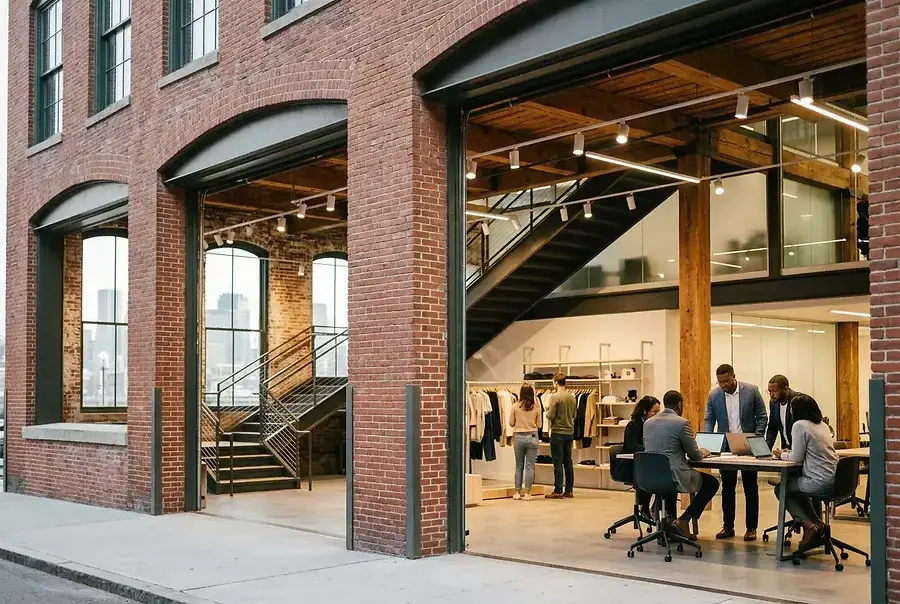
- High ceilings and open floor plans ideal for loft conversions
- Exposed brick and timber elements that appeal to contemporary tenants
- Prime locations in walkable, established neighborhoods
- Existing infrastructure and utilities that reduce development costs
Financial Incentives and Tax Benefits
Massachusetts offers substantial financial incentives for adaptive reuse projects, including federal Historic Preservation Tax Credits that can offset up to 20% of qualified rehabilitation expenses. Additionally, many municipalities provide local tax abatements and grants to encourage conversion projects that revitalize commercial corridors.
Neighborhood Revitalization Potential
Adaptive reuse projects serve as catalysts for broader neighborhood improvement. Converting vacant or underutilized buildings attracts complementary businesses, increases foot traffic, and enhances property values throughout surrounding areas. This creates a multiplier effect that benefits the entire community.
Navigating Zoning, Permits, and Regulatory Requirements for Adaptive Reuse
Understanding Zoning Flexibility
Boston and Quincy have increasingly adopted flexible zoning ordinances that support adaptive reuse initiatives. Many jurisdictions now allow mixed-use conversions in areas previously restricted to single-use commercial development. Before acquiring a property, conduct thorough zoning analysis to understand:
- Current zoning classification and permitted uses
- Variance and special permit requirements
- Floor area ratio (FAR) limitations
- Parking and loading requirements
Historic Preservation Considerations
Historic designation can significantly impact adaptive reuse projects. While these designations may impose restrictions on exterior modifications, they unlock valuable tax credits and often streamline certain approval processes. Work with preservation consultants familiar with Massachusetts Historic Commission guidelines to ensure compliance while maximizing financial benefits.
Permitting and Approval Timeline
Successful adaptive reuse projects require strategic navigation of multiple approval stages. Typical timelines include:
- Pre-development phase: 2-4 months for site analysis and preliminary design
- Permitting phase: 3-6 months for design review and municipal approvals
- Construction phase: 12-24 months depending on project scope
Building strong relationships with municipal planning departments and engaging early in the process can significantly accelerate approvals.
Building Code Compliance
Adaptive reuse projects must meet current building codes while respecting historic character. This often requires creative solutions such as:
- Installing modern fire suppression systems within historic structures
- Upgrading electrical and mechanical systems while preserving original elements
- Implementing accessibility improvements that comply with ADA requirements
- Ensuring energy efficiency upgrades align with preservation standards
Engaging experienced architects and engineers early in the planning process helps identify potential conflicts and develop compliant solutions.
Environmental Assessment and Remediation
Older commercial buildings may require environmental assessment to identify potential contamination. Phase I Environmental Site Assessments (ESA) are essential for understanding potential liabilities. If contamination is discovered, remediation costs can be substantial, but Massachusetts offers liability protection programs for properties undergoing adaptive reuse.
Conclusion: Positioning Yourself for Success with Adaptive Reuse Investments
Adaptive reuse represents a compelling investment opportunity in Boston and Quincy's commercial real estate markets. By transforming underutilized buildings into vibrant, profitable spaces, investors can achieve strong financial returns while contributing to community revitalization and environmental sustainability.
Success in adaptive reuse requires thorough due diligence, strategic planning, and expert guidance. Assemble a team of experienced professionals including architects, engineers, preservation specialists, and real estate attorneys. Understand local zoning and regulatory requirements before committing capital. Leverage available tax incentives and financing programs to optimize project economics.
The Greater Boston area's combination of strong market demand, historic building inventory, and supportive regulatory environment creates an ideal landscape for adaptive reuse ventures. Whether converting a historic warehouse into modern lofts, transforming an old factory into mixed-use space, or reimagining a commercial building for contemporary tenants, adaptive reuse offers pathways to profitable development that honor the past while building the future.
"Adaptive reuse is not just about preserving buildings—it's about creating vibrant communities and generating sustainable returns on investment."