Adaptive Reuse Opportunities in Oklahoma City's Commercial Market
Transform historic buildings into profitable modern commercial spaces and capitalize on the growing demand for unique properties.

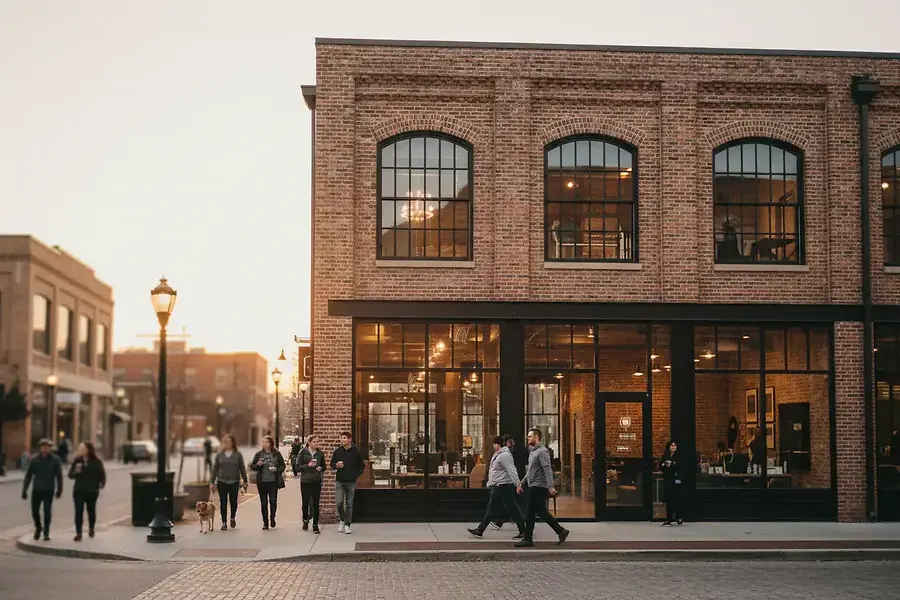
The Rise of Adaptive Reuse in Oklahoma City Commercial Real Estate
Oklahoma City's commercial real estate market is experiencing a significant transformation as investors and developers increasingly recognize the value of adaptive reuse projects. Rather than demolishing historic buildings, forward-thinking entrepreneurs are breathing new life into these structures, converting them into modern commercial spaces that meet contemporary business needs while preserving architectural heritage.
The adaptive reuse movement in Oklahoma City reflects broader national trends toward sustainable development and urban revitalization. Historic buildings offer unique character, established locations, and often lower acquisition costs compared to new construction. This combination creates compelling opportunities for investors seeking differentiation in a competitive market.
Why Adaptive Reuse Matters:
- Preserves architectural heritage and community character
- Reduces environmental impact compared to new construction
- Offers cost advantages through lower land acquisition prices
- Creates distinctive spaces that attract premium tenants
- Supports urban revitalization and neighborhood development
Identifying High-Potential Properties for Conversion and Renovation
Location and Market Analysis
The first step in identifying adaptive reuse opportunities is conducting thorough market analysis. Focus on neighborhoods experiencing growth, increased foot traffic, and rising property values. Oklahoma City's downtown district, Midtown, and emerging neighborhoods near universities and cultural centers present particularly strong opportunities.
Evaluate proximity to transportation hubs, retail centers, and residential areas. Properties in walkable neighborhoods with strong community engagement tend to attract quality tenants and command premium rental rates.
Structural and Architectural Assessment
Not every historic building is suitable for adaptive reuse. Engage structural engineers and architects early to assess building condition, foundation integrity, and existing systems. Key considerations include:
- Structural soundness and load-bearing capacity
- Condition of roof, foundation, and exterior walls
- Existing electrical, plumbing, and HVAC systems
- Presence of hazardous materials (asbestos, lead paint)
- Floor plate configuration and ceiling heights
Buildings with original architectural features, high ceilings, and flexible floor plans often present the best conversion opportunities. Unique elements like exposed brick, hardwood floors, and original woodwork can become significant marketing advantages.
Market Demand and Tenant Fit
Identify the most viable commercial uses for your target property. Consider these popular adaptive reuse applications:
- Creative office and co-working spaces
- Boutique retail and specialty shops
- Restaurants, cafes, and food service
- Art galleries and cultural venues
- Mixed-use developments combining multiple uses
- Residential lofts and apartments
Research tenant demand in your target market. Speak with commercial brokers, survey potential tenants, and analyze comparable properties to understand what uses will generate the strongest returns.
Navigating Zoning, Permits, and Regulatory Requirements for Adaptive Reuse Projects
Zoning and Land Use Compliance
Before committing to a property, verify current zoning designations and permitted uses. Oklahoma City's zoning codes may restrict certain commercial activities in historic districts or specific neighborhoods. Work with city planning departments to understand:
- Current zoning classification and permitted uses
- Requirements for conditional use permits or variances
- Setback, height, and parking requirements
- Historic district overlay regulations
- Potential for zoning modifications or appeals
Historic Preservation and Tax Incentives
Oklahoma City offers valuable incentives for historic preservation projects. The Federal Historic Preservation Tax Credit provides significant deductions for qualified rehabilitation expenses. State and local programs may offer additional benefits.
Historic preservation tax credits can offset 20% of qualified rehabilitation costs, substantially improving project economics and ROI.
To qualify, projects must meet strict rehabilitation standards set by the National Park Service. Engage preservation consultants early to ensure compliance and maximize available incentives.
Permitting and Approval Process
Adaptive reuse projects typically require multiple permits and approvals. Budget adequate time and resources for the approval process, which may include:
- Building permits and construction plans review
- Environmental assessments and remediation approvals
- Historic district commission reviews (if applicable)
- Accessibility compliance (ADA requirements)
- Fire and life safety code compliance
- Utility and infrastructure upgrades
Engage experienced architects, engineers, and legal counsel familiar with Oklahoma City's regulatory environment. Their expertise can streamline approvals and prevent costly delays.
Financial Planning and ROI Projections for Conversion Investments
Comprehensive Cost Analysis
Accurate financial projections require detailed cost estimates across all project phases. Key cost categories include:
- Property acquisition and due diligence
- Structural repairs and foundation work
- Systems upgrades (electrical, plumbing, HVAC)
- Interior finishes and tenant improvements
- Permits, professional fees, and contingencies
- Carrying costs during renovation
Obtain multiple bids from qualified contractors. Include 15-20% contingency reserves for unexpected issues common in historic building projects. Conservative cost estimates protect your investment and improve project viability.
Revenue Projections and Valuation
Project rental income based on comparable properties and market analysis. Research current market rates for similar spaces in comparable locations. Consider these factors when projecting revenue:
- Comparable rental rates for similar spaces
- Expected occupancy rates and lease-up timeline
- Tenant mix and revenue diversification
- Potential for premium pricing based on unique features
- Long-term market growth and appreciation potential
Return on Investment Metrics
Evaluate projects using multiple financial metrics. Calculate cap rates, cash-on-cash returns, and internal rate of return (IRR). Compare adaptive reuse projects to alternative investments and new construction opportunities.
Factor in the value of tax incentives, which can significantly improve returns. A project with modest rental income may become highly attractive when historic preservation credits are included in financial analysis.
Positioning Your Portfolio with Adaptive Reuse Opportunities
Oklahoma City's adaptive reuse market presents compelling opportunities for investors willing to navigate complexity and embrace creative thinking. Historic buildings offer distinctive character, established locations, and unique value propositions that appeal to quality tenants seeking differentiation.
Success requires thorough due diligence, experienced professional guidance, and realistic financial projections. Properties in strong neighborhoods with clear market demand and manageable renovation scopes offer the best risk-adjusted returns.
As Oklahoma City continues evolving, adaptive reuse projects will play an increasingly important role in urban revitalization and commercial real estate growth. Investors who master this niche can build profitable portfolios while contributing to community development and historic preservation.


