Adaptive Reuse Projects: Converting Historic Buildings Into Modern Commercial Spaces
Discover how Philadelphia, Edison, Hazleton, and Syracuse are leading the charge in transforming vacant properties into profitable commercial assets.

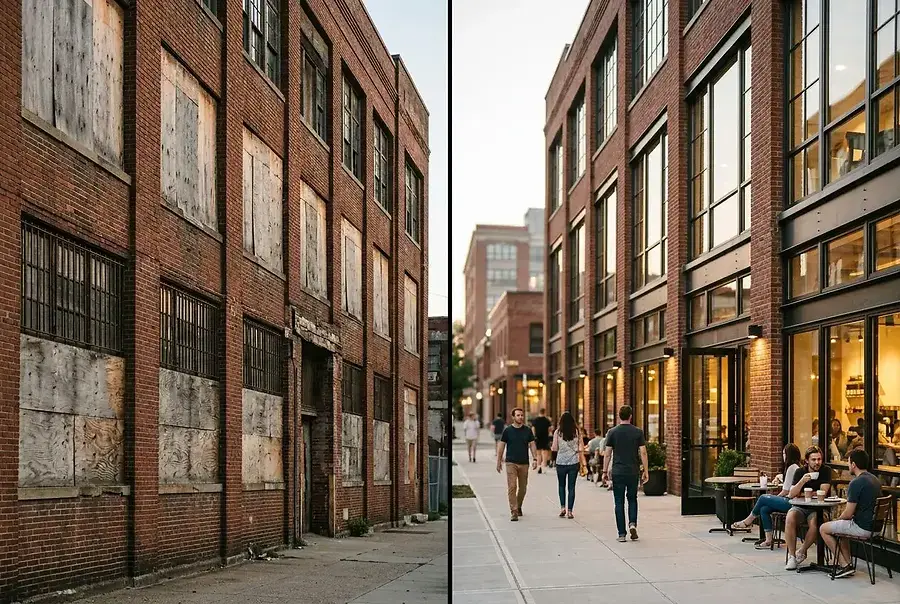
The Growing Demand for Adaptive Reuse in Northeast Markets
The Northeast is experiencing a remarkable renaissance in commercial real estate, driven by a powerful trend: adaptive reuse. Rather than demolishing aging historic structures, forward-thinking developers and investors are breathing new life into vacant buildings, transforming them into vibrant commercial spaces that serve modern needs while preserving architectural heritage.
Cities like Philadelphia, Edison, Hazleton, and Syracuse have become shining examples of this transformation. These markets have recognized that adaptive reuse projects offer a unique opportunity to revitalize neighborhoods, create jobs, and generate substantial returns on investment. The demand for this type of development has never been stronger, as businesses seek distinctive spaces with character and communities embrace sustainable development practices.
What makes adaptive reuse so compelling? Sustainability is a major factor. By repurposing existing structures, developers avoid the environmental impact of demolition and new construction. Additionally, historic buildings often feature architectural details and craftsmanship that cannot be replicated in modern construction, making them highly desirable for upscale retail, office spaces, and mixed-use developments.
Identifying Prime Candidates: What Makes a Historic Building Right for Conversion
Location and Market Demand
The first consideration when evaluating a historic building for adaptive reuse is its location. Buildings situated in walkable neighborhoods with strong foot traffic, proximity to transit, and established business districts are ideal candidates. Philadelphia's Old City district and Syracuse's downtown core exemplify locations where adaptive reuse projects thrive because of their inherent appeal to businesses and consumers.
Structural Integrity and Building Systems
A thorough structural assessment is essential before committing to any adaptive reuse project. Key factors to evaluate include:
- Foundation stability and condition
- Load-bearing walls and structural framework
- Roof condition and weatherproofing
- Existing electrical, plumbing, and HVAC systems
- Potential for hazardous materials (asbestos, lead paint)
Buildings with solid bones and systems that can be upgraded or replaced are far more viable than those requiring extensive structural repairs. Edison's successful warehouse conversions demonstrate how buildings with strong industrial construction can be efficiently adapted for modern commercial use.
Architectural Character and Marketability
Historic buildings with distinctive architectural features—exposed brick, high ceilings, large windows, ornate details—command premium rents and attract quality tenants. The character of these spaces is a significant asset that modern construction cannot replicate. Hazleton's transformation of former industrial buildings into trendy office and retail spaces showcases how architectural authenticity becomes a competitive advantage in the marketplace.
Size and Flexibility
The building's size and floor plan flexibility matter considerably. Spaces that can be subdivided for multiple tenants or reconfigured for different uses offer greater revenue potential and lower vacancy risk. Buildings with column-free spaces or adaptable layouts are particularly valuable for contemporary commercial applications.
Navigating Permits, Incentives, and Financing for Adaptive Reuse Projects
Understanding the Permitting Process
Adaptive reuse projects typically require navigating a complex permitting landscape. Historic preservation review boards, building code compliance, and zoning variances all play important roles. Working with experienced architects and consultants familiar with local regulations is crucial. Many Northeast municipalities have streamlined their processes to encourage adaptive reuse, recognizing its community benefits.
Philadelphia and Syracuse have established expedited review processes for qualifying projects, reducing timeline uncertainty and making development more feasible. Understanding these local advantages can significantly impact project economics.
Leveraging Tax Credits and Incentives
Federal and state tax credits represent substantial financial advantages for adaptive reuse developers. The Federal Historic Preservation Tax Credit allows investors to claim up to 20% of qualified rehabilitation expenses. Many Northeast states offer additional credits and grants:
- State historic preservation tax credits
- Opportunity Zone benefits
- Local property tax abatements
- New Markets Tax Credits
- Brownfield remediation grants
These incentives can dramatically improve project returns and justify investments that might otherwise be marginal. Successful developers in Hazleton and Edison have strategically stacked multiple incentive programs to enhance profitability.
Securing Financing
Financing adaptive reuse projects requires specialized lenders who understand the unique risks and opportunities. Traditional banks may be hesitant, but several financing options exist:
- Historic Preservation Loans: Specialized lenders offer favorable terms for qualified projects
- New Markets Tax Credit Financing: Below-market-rate capital for projects in designated areas
- Community Development Financial Institutions (CDFIs): Mission-driven lenders supporting revitalization
- Conventional Construction Loans: Available for projects with strong sponsors and clear exit strategies
- Equity Partnerships: Collaborating with experienced adaptive reuse developers
Demonstrating a clear business plan, experienced team, and realistic financial projections is essential for securing favorable financing terms. The most successful projects in the Northeast combine multiple funding sources strategically.
Managing Costs and Timelines
Adaptive reuse projects typically cost more per square foot than new construction, but offer significant advantages in terms of timeline and market positioning. Careful budgeting for contingencies is essential, as historic buildings often reveal unexpected conditions during renovation. Building in 15-20% contingency reserves is standard practice among experienced developers.
Phased development approaches can also help manage cash flow and reduce risk. Converting one floor or section first allows you to generate revenue while completing remaining phases.
Positioning Yourself as the Expert in Your Local Market
Success in adaptive reuse requires deep knowledge of your local market. Study comparable projects in your region—what worked, what didn't, and why. Connect with local preservation organizations, economic development agencies, and municipal officials. These relationships provide invaluable insights into incentive programs, upcoming opportunities, and regulatory changes.
Document your expertise through case studies, market analysis, and thought leadership. As adaptive reuse gains momentum in Northeast markets, positioning yourself as a knowledgeable expert will attract quality partners, tenants, and financing sources.
The transformation of historic buildings into modern commercial spaces represents one of the most exciting opportunities in Northeast real estate. By understanding the fundamentals of adaptive reuse—identifying the right buildings, navigating the regulatory and financial landscape, and building local expertise—you can capitalize on this powerful trend and create lasting value in your community.