Adaptive Reuse Projects: Converting Marshall Buildings for Modern Commerce
Discover how smart commercial property conversions are creating new business opportunities and revitalizing Marshall's downtown corridor.

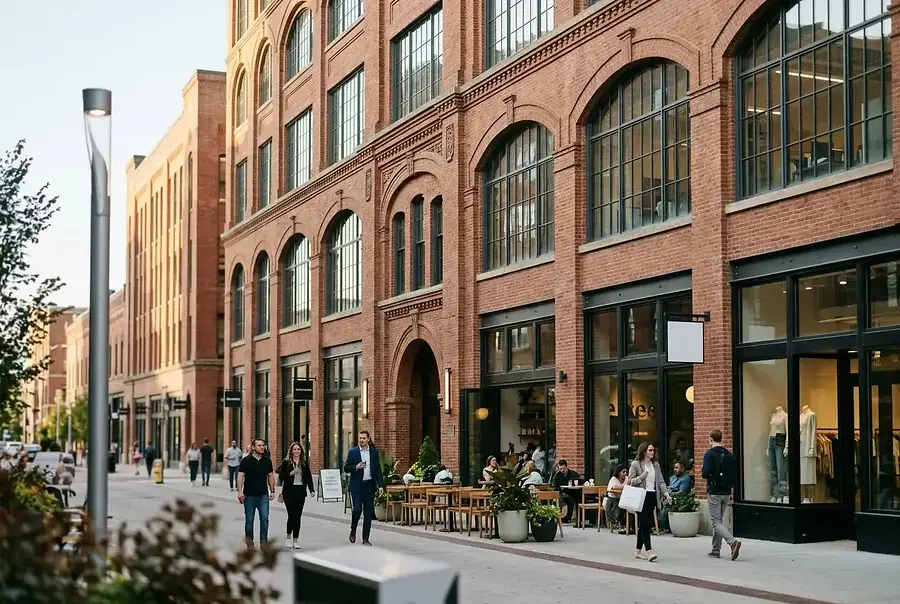
The Rise of Adaptive Reuse in Marshall's Commercial Market
Marshall's downtown corridor is experiencing a remarkable transformation. Historic buildings that once stood vacant or underutilized are being reimagined as vibrant commercial spaces. This trend, known as adaptive reuse, is reshaping the city's economic landscape and attracting entrepreneurs and established businesses alike.
The movement reflects a broader shift in how communities approach urban development. Rather than demolishing aging structures, forward-thinking property owners are recognizing the value in preserving architectural heritage while meeting contemporary business needs. This approach creates a win-win scenario: businesses gain character-filled spaces with lower development costs, while the community preserves its historical identity.
Marshall's adaptive reuse boom isn't just about nostalgia—it's a smart business strategy. Property owners are discovering that converted spaces command premium rents, attract quality tenants, and generate significant returns on investment. Meanwhile, the city benefits from increased foot traffic, job creation, and a more dynamic downtown environment.
Understanding Adaptive Reuse: What It Means for Commercial Property Owners
The Core Concept
Adaptive reuse involves converting buildings originally designed for one purpose into spaces serving a different function. A former warehouse might become a trendy office complex. An old factory could transform into a mixed-use retail and residential hub. The key is maintaining the building's essential character while updating systems, layouts, and amenities to meet modern standards.
Why Property Owners Are Embracing This Strategy
For commercial property owners, adaptive reuse offers compelling advantages:
- Lower Development Costs: Existing structures require less capital investment than ground-up construction, with established foundations and frameworks already in place.
- Faster Time to Market: Converting existing buildings typically takes less time than new construction, allowing owners to generate revenue sooner.
- Premium Positioning: Unique, character-filled spaces attract tenants willing to pay higher rents for distinctive environments.
- Tax Incentives: Many jurisdictions offer tax credits and incentives for historic preservation and adaptive reuse projects.
- Sustainability Benefits: Reusing existing structures reduces waste and environmental impact compared to demolition and new construction.
The Challenges to Consider
While adaptive reuse presents exciting opportunities, property owners must navigate certain challenges. Older buildings may require significant structural updates, electrical system upgrades, and HVAC installations. Navigating building codes, zoning regulations, and historic preservation requirements demands expertise and patience. However, these obstacles are increasingly manageable with proper planning and experienced contractors.
Case Studies: Successful Commercial Conversions Attracting Tenants to Marshall
The Historic Warehouse District Success Story
One of Marshall's most impressive adaptive reuse projects transformed a century-old warehouse complex into a thriving mixed-use commercial space. The conversion preserved the building's iconic brick facade and exposed beam architecture while installing modern climate control, high-speed internet infrastructure, and flexible floor plans. Today, the space houses creative agencies, tech startups, and boutique retail shops. The project attracted over 40 new businesses and created more than 150 jobs in the downtown area.
From Factory to Food Hall
Another standout example showcases how adaptive reuse can create community gathering spaces. A former manufacturing facility was converted into a vibrant food hall featuring local restaurants, artisan vendors, and a central gathering area. The project retained the building's industrial character—exposed ductwork, high ceilings, and large windows—while creating an inviting atmosphere for diners and shoppers. The food hall has become a major downtown destination, driving foot traffic to neighboring businesses.
Office Conversion Excellence
A recently completed project transformed a historic bank building into premium office space. The conversion maintained the building's architectural integrity, including original marble floors and ornate ceiling details, while adding modern amenities like collaborative work areas, high-tech meeting rooms, and sustainable building systems. The project demonstrates how adaptive reuse can command top-tier commercial rents while preserving community landmarks.
Getting Started: Steps for Converting Your Property into a Modern Commercial Space
Step One: Assess Your Property's Potential
Begin by evaluating your building's structural integrity, location, and market demand. Consider the building's bones—are the foundations sound? Can the layout accommodate modern commercial needs? Is the location attractive to potential tenants? Consulting with architects and commercial real estate professionals can help you realistically assess conversion feasibility and potential returns.
Step Two: Research Regulations and Incentives
Investigate local zoning laws, building codes, and historic preservation requirements that may apply to your property. Many communities offer tax credits, grants, or expedited permitting for adaptive reuse projects. Understanding these regulations early prevents costly surprises later. Connect with your local economic development office to explore available incentives.
Step Three: Develop a Detailed Business Plan
Create a comprehensive plan outlining your conversion vision, target tenants, projected costs, and financial projections. This document becomes essential when seeking financing or partnerships. Include architectural renderings, market analysis, and a realistic timeline. A solid business plan demonstrates viability to lenders and investors.
Step Four: Assemble Your Team
Successful adaptive reuse requires expertise across multiple disciplines. Engage experienced architects familiar with historic preservation, contractors skilled in renovation work, and commercial real estate professionals who understand your local market. Their guidance proves invaluable in navigating technical challenges and maximizing your project's success.
Step Five: Secure Financing and Begin Construction
With planning complete, explore financing options including traditional loans, SBA programs, and specialized adaptive reuse financing. Once funding is secured, work closely with your team to execute the conversion while maintaining quality standards and staying on budget. Regular communication and project management ensure smooth execution.
Step Six: Market Your Space and Attract Tenants
As construction nears completion, begin marketing your converted space to potential tenants. Highlight the unique character, modern amenities, and location advantages. Host preview events and leverage digital marketing to showcase your property. Strong tenant relationships established early create a stable, long-term revenue stream.
Conclusion: Marshall's Commercial Future
Adaptive reuse represents more than a real estate trend—it's a strategic approach to urban revitalization that benefits property owners, businesses, and communities alike. Marshall's successful conversion projects demonstrate that historic buildings can be transformed into thriving modern commercial spaces that attract quality tenants and generate strong returns.
If you own a property in Marshall's downtown corridor, now is an excellent time to explore adaptive reuse possibilities. With growing demand for distinctive commercial spaces, supportive local policies, and proven success stories, your building could become the next landmark conversion that revitalizes the neighborhood and creates lasting value.