Adaptive Reuse: Transforming Historic Buildings in Tallahassee
Discover how savvy investors are converting outdated structures into profitable commercial assets in Florida's capital.

The Rise of Adaptive Reuse in Tallahassee's Commercial Real Estate
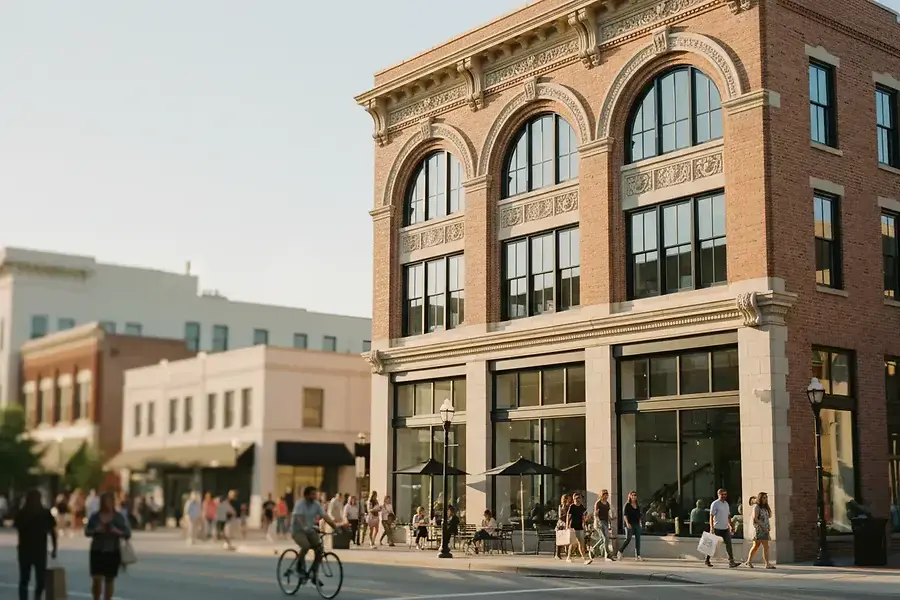
Tallahassee's historic downtown district is experiencing a remarkable transformation. Once-forgotten warehouses, abandoned office buildings, and deteriorating commercial structures are being reimagined as vibrant mixed-use developments, trendy lofts, and innovative workspaces. This phenomenon, known as adaptive reuse, represents one of the most lucrative opportunities in Florida's capital real estate market.
Adaptive reuse—the practice of converting buildings originally built for one purpose into structures serving entirely different functions—has become a cornerstone strategy for savvy real estate investors. Rather than demolishing aging structures, developers are preserving Tallahassee's architectural heritage while creating modern, profitable assets that meet contemporary market demands.
Why is adaptive reuse gaining momentum in Tallahassee? Several factors converge to make this strategy particularly attractive:
- Lower acquisition costs compared to new construction on prime real estate
- Significant tax incentives and historic preservation credits
- Growing demand for authentic, character-filled commercial and residential spaces
- Environmental benefits and sustainable development practices
- Strong community support for historic preservation initiatives
The city's commitment to revitalization has created an ecosystem where adaptive reuse projects thrive. Local government incentives, coupled with increasing investor interest, have positioned Tallahassee as a premier market for this type of development.
Identifying Viable Historic Properties for Conversion Projects
Assessing Property Potential
Not every historic building is a suitable candidate for adaptive reuse. Successful investors develop a keen eye for identifying properties with genuine conversion potential. The most promising candidates typically share several characteristics:
- Solid structural integrity: Buildings with strong bones require less extensive—and expensive—remediation
- Flexible floor plans: Open layouts or easily removable interior walls allow for creative reconfiguration
- Adequate ceiling heights: Taller ceilings appeal to modern tenants and command premium rents
- Strategic location: Proximity to downtown amenities, transportation, and emerging neighborhoods increases value
- Architectural significance: Buildings with distinctive character attract quality tenants and justify higher lease rates
Due Diligence and Market Research
Before committing capital, thorough investigation is essential. Successful adaptive reuse investors conduct comprehensive environmental assessments, structural engineering evaluations, and detailed market analyses. Understanding local zoning regulations, building codes, and historic designation requirements prevents costly surprises during development.
Market demand analysis is particularly crucial. Investors must identify what the market actually needs—whether that's upscale apartments, creative office space, retail establishments, or mixed-use developments. Properties in neighborhoods experiencing population growth and economic revitalization offer the strongest returns.
Building Relationships with Local Experts
Successful adaptive reuse projects depend on relationships with knowledgeable professionals: historic preservation consultants, structural engineers, architects experienced in adaptive reuse, and local real estate brokers familiar with Tallahassee's market dynamics. These experts provide invaluable guidance on feasibility, costs, and market positioning.
Navigating Permits, Incentives, and Financing for Adaptive Reuse Developments
Understanding Historic Preservation Requirements
Historic buildings in Tallahassee may be subject to preservation restrictions that govern exterior modifications and certain interior elements. While these requirements might seem restrictive, they actually protect property values and qualify projects for significant financial incentives.
The Historic Preservation Review Board evaluates proposed changes to ensure they respect the building's historical character. Working collaboratively with preservation officials—rather than viewing them as obstacles—streamlines the approval process and strengthens project viability.
Leveraging Tax Credits and Incentives
Federal Historic Preservation Tax Credits represent the most substantial financial incentive available. These credits can offset 20% of qualified rehabilitation expenses for certified historic structures, translating to hundreds of thousands of dollars in tax savings for significant projects.
Additional incentives include:
- State historic preservation tax credits
- Local property tax abatements for adaptive reuse projects
- Opportunity Zone benefits for qualifying investments
- Grants and low-interest loans from preservation organizations
- Density bonuses and zoning variances that increase development potential
Experienced developers structure projects specifically to maximize these incentives, often partnering with tax credit syndicators who aggregate credits for institutional investors.
Securing Appropriate Financing
Traditional lenders sometimes hesitate to finance adaptive reuse projects due to perceived complexity and risk. However, specialized lenders increasingly recognize the sector's strong performance. Options include:
- Historic Preservation Loans: Specialized lenders offering favorable terms for qualified projects
- New Markets Tax Credit Financing: Programs supporting development in economically disadvantaged areas
- Community Development Financial Institutions: Mission-driven lenders supporting revitalization initiatives
- Conventional Construction Loans: Available for projects with experienced sponsors and strong pro formas
Successful financing requires detailed project budgets, realistic pro formas demonstrating cash flow, and clear documentation of tax credit benefits. Lenders want to see experienced teams with proven track records in adaptive reuse development.
Project Management and Cost Control
Adaptive reuse projects present unique challenges requiring skilled project management. Hidden structural issues, unforeseen code compliance requirements, and material sourcing complications can inflate budgets. Building contingencies into project budgets—typically 15-25% for adaptive reuse—protects against cost overruns.
Regular communication with contractors, architects, and preservation consultants ensures projects stay on schedule and within budget. Experienced adaptive reuse developers have established relationships with reliable contractors familiar with historic building rehabilitation.
Positioning Yourself as an Adaptive Reuse Expert in Your Market
The adaptive reuse sector rewards expertise and specialization. Investors who develop deep knowledge of Tallahassee's historic building stock, preservation incentives, and market dynamics gain significant competitive advantages.
Build your expertise through:
- Attending preservation conferences and professional development programs
- Joining local historic preservation organizations and real estate investment groups
- Studying successful adaptive reuse projects and learning from their approaches
- Developing relationships with preservation professionals and specialized lenders
- Starting with smaller projects to build experience and track record
As Tallahassee's real estate market continues evolving, adaptive reuse represents a compelling opportunity for investors seeking profitable projects with meaningful community impact. By identifying viable properties, navigating incentive programs effectively, and assembling experienced teams, investors can transform historic buildings into thriving commercial assets while preserving the architectural character that makes Tallahassee distinctive.
The future of Tallahassee's commercial real estate belongs to those who recognize the value hidden within historic structures and possess the expertise to unlock it.