Adaptive Reuse: Transforming Properties in Sherman Oaks and Los Angeles
Discover how commercial property owners are maximizing value by converting underutilized spaces into profitable modern uses.

Introduction: The Growing Demand for Adaptive Reuse in Los Angeles
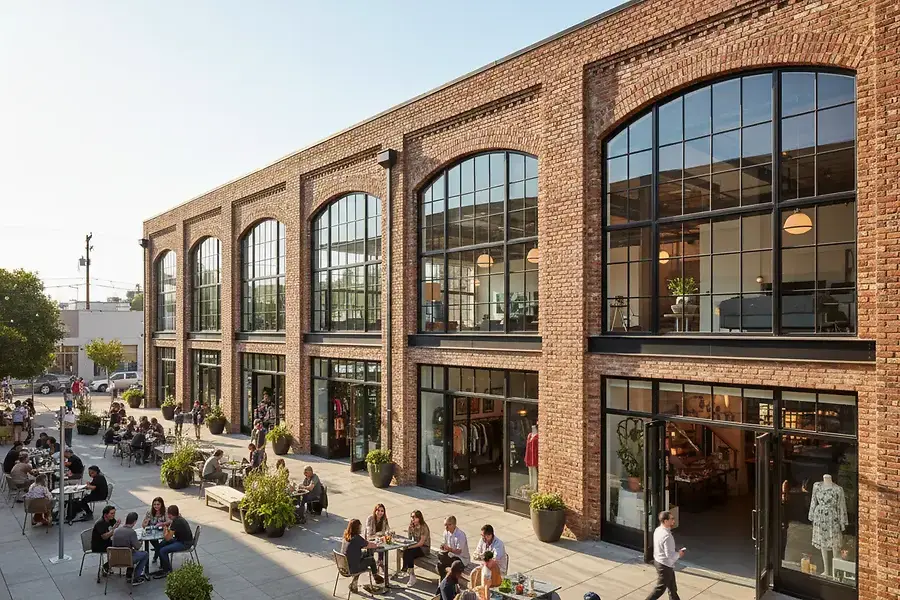
Los Angeles is experiencing a significant shift in how commercial real estate is being utilized. Rather than demolishing aging structures or leaving properties vacant, forward-thinking developers and property owners are embracing adaptive reuse—the strategic conversion of existing buildings into new, profitable purposes. This trend is particularly prominent in Sherman Oaks and throughout Los Angeles, where the real estate market is increasingly recognizing the value of breathing new life into underutilized spaces.
The demand for adaptive reuse projects has never been stronger. Rising construction costs, environmental concerns, and the need for diverse commercial spaces have created a perfect storm of opportunity. Property owners who understand this market shift are positioning themselves to capture significant returns on investment while contributing to the revitalization of their communities.
Identifying Properties with Adaptive Reuse Potential in Sherman Oaks and Los Angeles
What Makes a Property Suitable for Adaptive Reuse?
Not every vacant building is a candidate for adaptive reuse. Successful projects share common characteristics that make them ideal for transformation:
- Structural Integrity: The building must have a solid foundation and framework capable of supporting new uses without extensive structural overhaul.
- Location Value: Properties in high-traffic areas with strong foot traffic potential are prime candidates for conversion into retail, dining, or entertainment venues.
- Architectural Character: Historic or distinctive buildings often command premium prices when converted into trendy lofts, offices, or mixed-use spaces.
- Adequate Square Footage: Larger spaces offer more flexibility for creative conversions into apartments, co-working spaces, or cultural venues.
- Accessibility: Properties with good parking, public transportation access, and visibility are more attractive to future tenants and customers.
Popular Adaptive Reuse Conversions in the Los Angeles Market
Sherman Oaks and surrounding areas have seen remarkable transformations in recent years. Warehouses have become trendy loft apartments, old retail spaces have been converted into co-working hubs, and underutilized office buildings have been reimagined as mixed-use developments combining residential, retail, and entertainment components.
The most successful projects typically involve converting:
- Industrial warehouses into residential lofts and creative studios
- Defunct retail spaces into restaurants, breweries, and entertainment venues
- Abandoned office buildings into luxury apartments and boutique hotels
- Old manufacturing facilities into event spaces and cultural centers
- Underutilized commercial strips into vibrant mixed-use neighborhoods
Navigating Zoning, Permits, and Regulatory Requirements for Conversions
Understanding Zoning Regulations
One of the most critical aspects of adaptive reuse is understanding local zoning laws. Los Angeles has complex zoning regulations that vary significantly between neighborhoods, including Sherman Oaks. Before investing in a property, you must verify that your intended use is permitted under current zoning classifications.
Key zoning considerations include:
- Current zoning designation and permitted uses
- Conditional use permits that may be required
- Height and density restrictions
- Parking requirements for the new use
- Setback and building envelope requirements
Obtaining Necessary Permits and Approvals
The permitting process for adaptive reuse projects can be complex and time-consuming. Property owners must navigate multiple city departments and obtain various permits:
- Building Permits: Required for any structural modifications or significant renovations.
- Use Permits: Necessary when converting to a use not currently permitted under existing zoning.
- Environmental Clearance: Phase I and Phase II environmental assessments may be required to identify contamination or hazardous materials.
- Historic Preservation Approvals: If the building is designated as historic, additional approvals from the Cultural Heritage Commission may be necessary.
- Department of Building and Safety Compliance: All work must meet current building codes, which may require significant upgrades to electrical, plumbing, and HVAC systems.
Working with Professionals
Successfully navigating the regulatory landscape requires expertise. Engaging qualified professionals is essential:
- Real estate attorneys specializing in adaptive reuse projects
- Experienced architects familiar with conversion projects
- Zoning consultants who understand local regulations
- Environmental consultants for contamination assessments
- General contractors with adaptive reuse experience
These professionals can help identify potential obstacles early, streamline the approval process, and ensure your project complies with all applicable regulations.
Incentives and Financial Assistance
Los Angeles and California offer various incentives to encourage adaptive reuse projects. These may include tax credits for historic preservation, density bonuses, parking requirement reductions, and expedited permitting processes. Property owners should explore available incentives to improve project economics.
Conclusion: Positioning Your Property for Future Growth Through Strategic Adaptive Reuse
Adaptive reuse represents a tremendous opportunity for commercial property owners in Sherman Oaks and throughout Los Angeles. By transforming underutilized spaces into vibrant, modern uses, property owners can significantly increase asset value while meeting market demand for diverse commercial and residential spaces.
The key to success lies in thorough due diligence, strategic planning, and expert guidance. Property owners who take the time to identify suitable candidates, understand regulatory requirements, and assemble the right team of professionals are well-positioned to capitalize on this growing market trend.
Whether you're considering converting an old warehouse into luxury lofts, transforming a vacant retail space into a trendy restaurant, or reimagining an underutilized office building as a mixed-use development, adaptive reuse offers a path to maximize your property's potential and contribute to the ongoing revitalization of Los Angeles's dynamic real estate landscape.
The future of Los Angeles real estate belongs to those who can see the potential in existing structures and have the vision to transform them into something extraordinary.