Albuquerque Home Inspection Essentials for Residential Buyers
Discover the critical inspection checklist that protects your investment and prevents costly surprises in Albuquerque's unique desert climate.

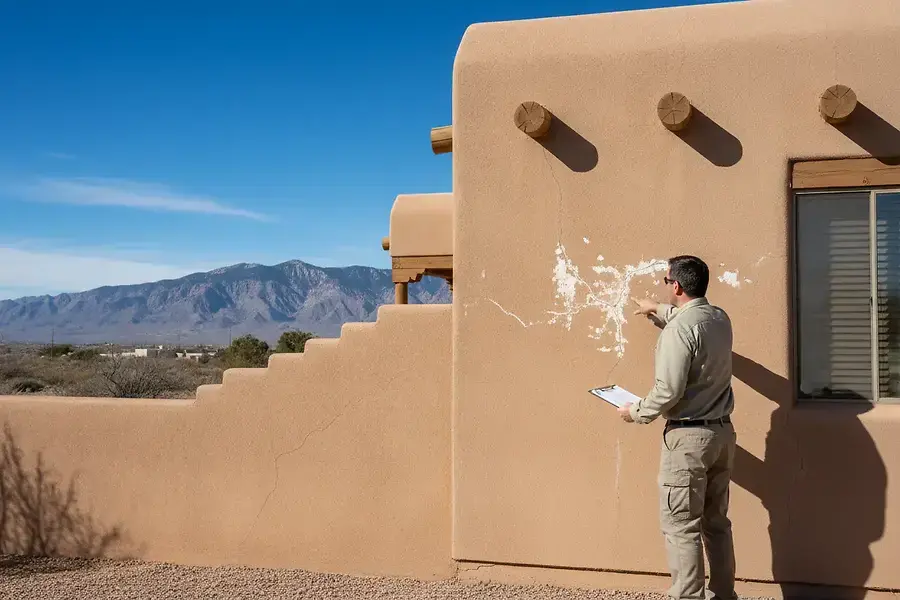
Understanding Albuquerque's Unique Environmental Factors
Albuquerque's high desert climate presents distinct challenges for homeowners that differ significantly from other regions. The intense sun exposure, low humidity, temperature fluctuations, and occasional severe weather patterns create specific wear and tear on residential properties. Understanding these environmental factors is crucial before purchasing a home in the area.
Desert Climate Impact on Homes
The relentless New Mexico sun delivers approximately 310 days of sunshine annually, exposing homes to intense UV radiation that can damage roofing materials, siding, and exterior paint far more quickly than in other climates. The dramatic temperature swings between day and night—sometimes exceeding 40 degrees Fahrenheit—cause materials to expand and contract repeatedly, leading to cracks in foundations, stucco, and concrete.
Low humidity levels, while reducing mold concerns, create other challenges. Wood framing can become brittle, and the dry air accelerates deterioration of caulking and sealants. Additionally, Albuquerque's elevation of 5,312 feet means thinner air and increased UV intensity, compounding these effects.
Water Management in an Arid Environment
Despite the desert setting, water intrusion remains a significant concern. When monsoon rains arrive, they often come in intense bursts that overwhelm drainage systems. Poor grading, inadequate gutters, or compromised stucco can allow water to penetrate walls and foundations, causing hidden damage that becomes expensive to repair.
Key Areas to Inspect in Desert Homes
Roof and Exterior Surfaces
The roof is your home's primary defense against the elements. During inspection, look for:
- UV damage and fading on shingles or tiles
- Cracks, curling, or missing shingles
- Deteriorated flashing around vents and chimneys
- Proper slope for water drainage
- Age of the roof (typically 15-20 years in desert climates)
Examine stucco carefully for cracks, as these allow water infiltration. Check that stucco is properly sealed and hasn't separated from the underlying structure. Paint peeling or chalking indicates UV damage and may signal underlying moisture problems.
Foundation and Concrete
Desert foundations face unique stress from temperature fluctuations. Inspect for:
- Visible cracks in the foundation (hairline cracks are common but monitor them)
- Uneven settling or sloping floors
- Gaps between foundation and walls
- Water stains indicating past moisture intrusion
- Proper drainage away from the foundation
Note: Minor cracks are common in desert homes, but significant structural cracks require professional evaluation. Have a structural engineer assess any concerning foundation issues.
HVAC and Cooling Systems
Air conditioning systems work overtime in Albuquerque's heat. Verify that:
- The AC unit is properly sized for the home
- The system is well-maintained with recent service records
- Ductwork is sealed and insulated
- The unit has adequate clearance for airflow
- Age of the system (typically 10-15 years lifespan)
An undersized or aging AC system can be a major expense. Request maintenance records and consider having an HVAC specialist evaluate the system's efficiency.
Windows and Doors
UV exposure degrades seals and frames. Check for:
- Cracked or cloudy window seals
- Proper operation of all windows and doors
- Deteriorated weatherstripping
- Evidence of water leaks around frames
- Single-pane vs. energy-efficient windows
Replacing windows is expensive, so understanding their condition helps with budgeting.
Plumbing and Water Systems
Albuquerque's hard water and mineral content can affect plumbing systems. Inspect:
- Water pressure and flow rates
- Age and condition of pipes (copper vs. older materials)
- Water heater age and functionality
- Evidence of leaks or water damage
- Septic system condition (if applicable)
Hard water buildup can reduce efficiency and lifespan of appliances and fixtures.
Electrical Systems
Ensure the electrical system meets current standards:
- Adequate panel capacity for modern appliances
- Proper grounding and bonding
- GFCI outlets in appropriate locations
- No outdated wiring or safety hazards
- Proper ventilation around electrical components
What to Do With Inspection Results
Understanding the Report
A thorough home inspection report will categorize issues by severity. Critical items require immediate attention, while major concerns should be addressed within a reasonable timeframe. Minor issues are typically cosmetic or low-priority.
Negotiating Repairs and Credits
Use inspection results as a negotiation tool. You have several options:
- Request the seller make repairs before closing
- Negotiate a credit toward closing costs
- Request a price reduction
- Plan to address issues yourself after purchase
For desert-specific issues like roof damage or stucco problems, obtain repair estimates from local contractors familiar with Albuquerque conditions.
Planning for Future Maintenance
Even if issues are addressed before purchase, budget for ongoing maintenance. Desert homes require:
- Regular roof inspections (annually)
- HVAC system maintenance (twice yearly)
- Stucco and exterior sealing (every 5-7 years)
- Gutter cleaning and inspection
- Foundation monitoring
Preventive maintenance is far less expensive than emergency repairs.
Conclusion: Making Informed Decisions
A comprehensive home inspection is one of the most important steps in the home-buying process, especially in Albuquerque's unique desert environment. By understanding the specific challenges posed by the climate and thoroughly evaluating key areas of the home, you protect your investment and avoid costly surprises.
Don't skip the inspection or choose a bargain inspector. The cost of a thorough inspection is minimal compared to the potential expenses of hidden damage.
Work with a qualified, local home inspector who understands Albuquerque's environmental factors and can identify issues specific to desert homes. Ask questions, request detailed explanations, and don't hesitate to hire specialists for complex systems. Armed with complete information, you can make confident decisions about your Albuquerque home purchase and plan for successful homeownership in the high desert.


