Albuquerque's Dual Market: Investing in Mixed-Use Properties
Discover how residential-commercial hybrid properties are reshaping Albuquerque's real estate landscape and creating unique investment opportunities.

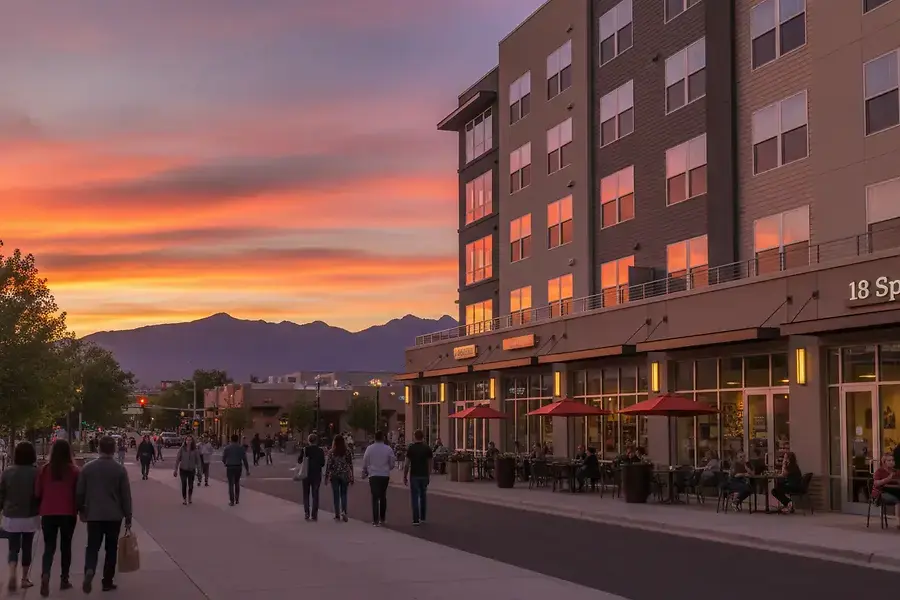
The Rise of Mixed-Use Real Estate in Albuquerque
Albuquerque's real estate market is experiencing a significant transformation. Mixed-use properties—developments that combine residential, commercial, and sometimes office spaces under one roof—are becoming increasingly popular among investors and property owners. This trend reflects a broader shift in how people want to live and work, with many seeking convenience and walkability in their neighborhoods.
The appeal of mixed-use properties lies in their versatility and income potential. Rather than investing in a single-purpose property, savvy investors are recognizing the value of properties that serve multiple functions. A building might feature ground-floor retail or restaurants with apartments above, or office spaces alongside residential units. This dual-market approach creates diverse revenue streams and reduces the risk associated with market fluctuations in any single sector.
Albuquerque, with its growing population and evolving urban landscape, is perfectly positioned for this real estate revolution. The city's relatively affordable property prices compared to other major metropolitan areas, combined with increasing demand for urban living, make it an attractive destination for mixed-use development.
Understanding Mixed-Use Property Benefits for Investors and Owners
Financial Advantages
Mixed-use properties offer compelling financial benefits that traditional single-purpose investments cannot match. Multiple income streams are perhaps the most obvious advantage—rental income from residential units, lease payments from commercial tenants, and potentially parking or storage revenues all contribute to overall profitability.
- Higher overall property valuations due to diverse revenue sources
- Reduced vacancy risk through tenant diversification
- Increased property resilience during economic downturns
- Potential for appreciation as neighborhoods develop
Operational and Lifestyle Benefits
Beyond finances, mixed-use properties offer unique operational advantages. Owner-operators can live on-site while managing their commercial space, reducing commute times and overhead costs. Tenants benefit from the convenience of having services, dining, and shopping within their residential building or immediate vicinity.
This creates a vibrant, walkable community environment that appeals to modern residents and businesses alike. Properties that foster this sense of community tend to attract higher-quality tenants and command premium rental rates.
Market Resilience
The diversification inherent in mixed-use properties provides a buffer against market volatility. If residential demand softens, commercial tenants may remain stable, and vice versa. This balanced approach to real estate investment offers greater security and predictability compared to single-sector properties.
Key Neighborhoods and Emerging Mixed-Use Development Zones
Downtown Albuquerque
Downtown remains the epicenter of mixed-use development in Albuquerque. Historic buildings are being revitalized with ground-floor retail and restaurants, while upper floors are converted into modern lofts and apartments. The area's walkability, cultural attractions, and growing food scene make it increasingly attractive to both residents and businesses.
Old Town and Historic Districts
The charming Old Town area continues to attract investors interested in preserving historic character while introducing modern mixed-use concepts. Properties here blend tourism-oriented retail with residential spaces, creating a unique investment opportunity that capitalizes on both local and visitor traffic.
Nob Hill and University Area
The Nob Hill neighborhood and surrounding university district represent emerging hotspots for mixed-use development. With a younger demographic, strong foot traffic, and established community character, these areas are seeing increased investment in properties that combine student housing, retail, and office spaces.
Uptown and Journal Center
Uptown's commercial strength is increasingly complemented by residential development. Journal Center and surrounding areas are evolving into true mixed-use zones where office parks are being reimagined with residential components, creating live-work communities that appeal to professionals.
Emerging Corridors
Several emerging corridors along major thoroughfares show promise for mixed-use development:
- San Pedro Drive corridor with its growing retail and dining scene
- Central Avenue's revitalization efforts attracting new mixed-use projects
- Westgate Boulevard area experiencing commercial and residential growth
- South Valley neighborhoods opening new development opportunities
Positioning Yourself in Albuquerque's Evolving Market
Due Diligence and Market Research
Success in mixed-use real estate requires thorough research. Investors should analyze neighborhood demographics, foot traffic patterns, local zoning regulations, and future development plans. Understanding the specific market dynamics of your target neighborhood is crucial for making informed investment decisions.
Understanding Zoning and Regulations
Mixed-use properties operate within specific zoning frameworks. Familiarize yourself with local zoning codes, parking requirements, and building regulations that may affect your property's potential. Albuquerque's planning department can provide valuable guidance on what's permissible in different areas.
Finding the Right Property
Look for properties with strong bones and good locations. Historic buildings with character often make excellent mixed-use candidates, as do underutilized commercial properties that could benefit from residential conversion. Consider properties near public transportation, entertainment districts, or employment centers.
Building Your Team
Successful mixed-use development requires expertise across multiple domains. Assemble a team including:
- Real estate agents familiar with mixed-use properties
- Architects and contractors experienced in adaptive reuse
- Property managers skilled in managing diverse tenant bases
- Accountants knowledgeable about mixed-use tax implications
- Legal counsel versed in commercial and residential law
Financing Considerations
Mixed-use properties may require specialized financing. Traditional lenders sometimes view them as higher-risk due to their complexity. However, many banks now offer mixed-use loans, and SBA programs may provide favorable terms. Shop around and work with lenders experienced in this property type.
Long-Term Vision
The most successful mixed-use investors think long-term. Rather than seeking quick flips, consider how your property can evolve with the neighborhood. As Albuquerque continues to grow and develop, properties positioned in emerging mixed-use zones will likely appreciate significantly.
The future of Albuquerque's real estate market belongs to investors who understand that the best properties serve multiple purposes and multiple communities.
Getting Started
Begin by exploring neighborhoods that interest you. Attend city planning meetings, talk to local business owners, and study market trends. Connect with other mixed-use property investors to learn from their experiences. Albuquerque's real estate market is dynamic and full of opportunity for those willing to think creatively about property investment.
Mixed-use properties represent more than just a real estate trend—they reflect how modern communities want to function. By investing in these properties, you're not just building wealth; you're contributing to the creation of vibrant, walkable neighborhoods that enhance quality of life. In Albuquerque's evolving market, that's a winning combination.


