American Fork Home Inspection Checklist: What Buyers Must Know
Protect your investment by understanding the critical inspection points that reveal a property's true condition and value.

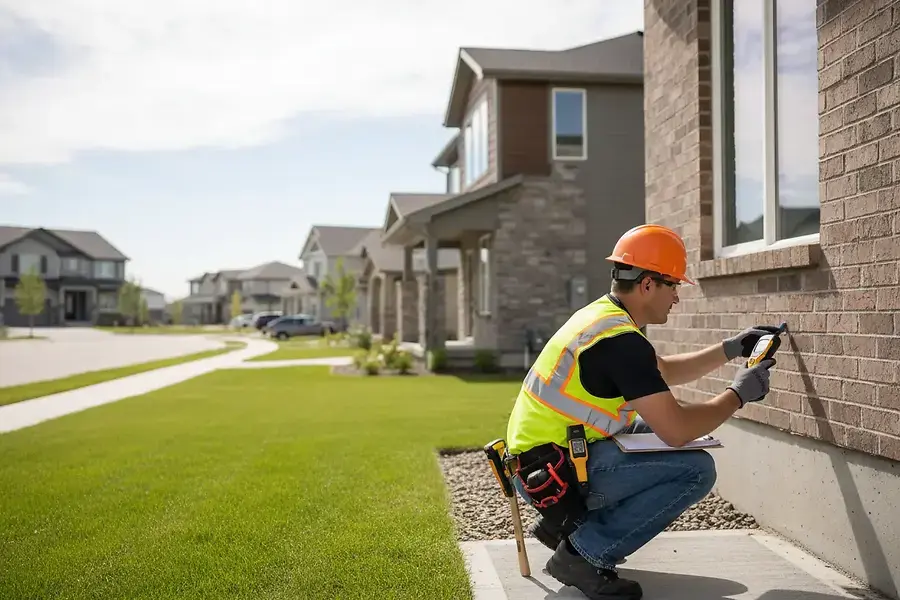
Why Home Inspections Matter in American Fork's Market
Purchasing a home is one of the most significant financial decisions you'll make. In American Fork's competitive real estate market, a thorough home inspection is your best defense against costly surprises after closing. A professional inspection reveals hidden defects, structural issues, and system failures that could cost thousands to repair.
Many buyers skip or rush through inspections to secure a deal quickly, but this approach often leads to regret. Understanding what inspectors look for—and what you should prioritize—empowers you to make informed decisions and negotiate effectively with sellers.
Essential Structural and Foundation Elements to Evaluate
Foundation Integrity
The foundation is your home's backbone. Inspectors examine foundations for cracks, settling, water damage, and signs of movement. In American Fork's climate, freeze-thaw cycles can stress foundations, making this inspection critical.
- Look for: Horizontal cracks (more serious than vertical), bowing walls, and water stains in basements
- Ask about: Previous repairs, foundation warranties, and any history of water intrusion
Roof Condition and Age
A roof typically lasts 15-25 years depending on materials and maintenance. Inspectors assess shingle condition, flashing, gutters, and ventilation. Replacing a roof is expensive, so understanding its remaining lifespan is essential.
- Check: Shingle granule loss, curling, missing pieces, and proper attic ventilation
- Verify: Installation date and any previous repairs or replacements
Walls, Siding, and Exterior
Exterior damage allows water infiltration, leading to mold, rot, and structural problems. Inspectors examine siding, trim, windows, doors, and drainage systems for deterioration and water damage.
- Inspect: Cracks in siding, rotting wood, damaged caulking, and gutter functionality
- Evaluate: Grading around the foundation to ensure water drains away from the house
Systems and Utilities: HVAC, Plumbing, and Electrical Safety
HVAC Systems
Heating and cooling systems are expensive to replace. Inspectors test furnaces, air conditioners, and heat pumps to ensure they operate safely and efficiently. They also check ductwork, thermostats, and ventilation.
- Verify: System age, maintenance records, and any unusual noises or odors
- Ask about: Warranty coverage and recommended replacement timeline
Plumbing Systems
Water damage from plumbing failures can be catastrophic. Inspectors check for leaks, water pressure, drainage issues, and pipe material. Older homes may have outdated pipes prone to failure.
- Test: Water pressure, drainage speed, and hot water availability
- Identify: Pipe material (galvanized, copper, PVC) and any signs of corrosion or leaks
- Check: Water heater age, condition, and capacity
Electrical Systems
Faulty electrical systems pose fire and safety hazards. Inspectors examine the main panel, wiring, outlets, and grounding to ensure the system meets current safety codes.
- Assess: Panel capacity, breaker functionality, and proper grounding
- Look for: Outdated wiring (knob-and-tube), overloaded circuits, and missing outlet covers
- Verify: GFCI protection in bathrooms, kitchens, and outdoor areas
Red Flags and Deal-Breakers: When to Walk Away
Structural Concerns
Certain issues signal serious problems that may make a property not worth purchasing:
- Foundation damage: Major cracks, severe settling, or evidence of previous foundation repairs
- Roof failure: Extensive damage, multiple layers of shingles, or imminent replacement needs
- Water damage: Mold, rot, or persistent moisture in basements, crawl spaces, or walls
System Failures
Be cautious if: HVAC systems are near end of life with no maintenance records, plumbing shows signs of major leaks or outdated materials requiring replacement, or electrical systems lack proper grounding or have code violations.
Environmental and Safety Issues
- Asbestos or lead paint: Present in older homes; remediation is costly and hazardous
- Radon: A colorless, odorless gas that increases cancer risk; testing and mitigation are necessary
- Pest damage: Termites, carpenter ants, or rodents can cause structural damage
When to Negotiate vs. Walk Away
Minor issues like cosmetic damage, worn fixtures, or small repairs are negotiable. However, major structural problems, system failures, or health hazards often indicate a property isn't worth the investment.
Request repair estimates from contractors and use them to negotiate price reductions or request seller repairs. If repairs exceed 10-15% of the purchase price, seriously consider walking away.
Making Confident Offers with Inspection Knowledge
Armed with inspection knowledge, you can make stronger offers and avoid costly mistakes. Here's how to use inspection findings strategically:
- Include inspection contingencies: Protect yourself with the right to cancel if major issues are discovered
- Request repair estimates: Get professional quotes to support negotiation requests
- Prioritize issues: Focus on major structural, system, and safety problems rather than cosmetic concerns
- Plan for future expenses: Budget for upcoming replacements like roofs or HVAC systems
A thorough home inspection is an investment in peace of mind. By understanding what inspectors evaluate and recognizing red flags, you'll make informed decisions that protect your financial future in American Fork's real estate market.
Remember: A professional home inspector is your advocate. Choose a certified, experienced inspector and attend the inspection to ask questions and understand the property's true condition.


