Andover Zoning Laws: A Guide for Residential and Commercial Developers
Navigate residential and commercial zoning regulations to maximize your property investment potential in Andover, Minnesota.

Understanding Andover's Zoning Classification System
Andover, Minnesota has established a comprehensive zoning classification system designed to organize land use and guide development throughout the municipality. The city's zoning ordinances divide properties into distinct categories, each with specific regulations governing what can be built, how properties can be used, and what restrictions apply.
The primary zoning classifications in Andover include:
- Residential Zones (R1, R2, R3): Single-family homes, duplexes, and multi-family residential units with varying density requirements
- Commercial Zones (C1, C2): Retail, office, and service-oriented businesses with specific setback and parking requirements
- Industrial Zones (I1, I2): Manufacturing, warehousing, and heavy industrial operations
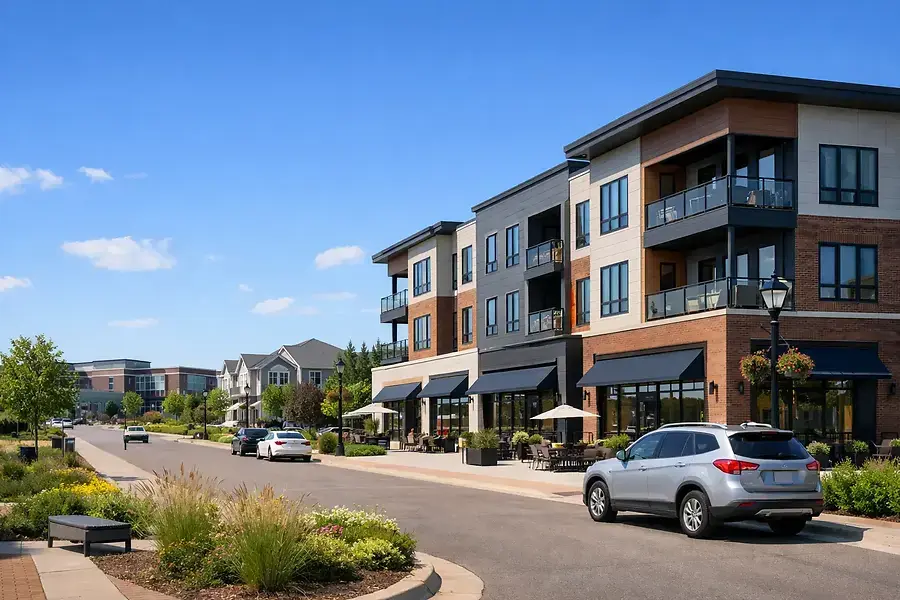
- Mixed-Use Zones: Properties that combine residential and commercial elements in a single development
- Agricultural Zones: Properties designated for farming and rural uses
Each classification comes with detailed specifications regarding lot size, building height, setback distances, and permitted uses. Understanding these classifications is the first step in determining whether your development project aligns with local regulations.
Residential vs. Commercial Development Requirements and Restrictions
Residential Development Standards
Residential development in Andover must comply with specific requirements that vary by zone classification. Single-family residential zones typically require minimum lot sizes ranging from 7,500 to 15,000 square feet, depending on the specific zone designation.
Key residential requirements include:
- Minimum setback distances from property lines (typically 25-50 feet from front, 10-15 feet from sides)
- Maximum building height restrictions (generally 35-45 feet for single-family homes)
- Parking requirements (minimum 2 spaces per dwelling unit)
- Landscaping and screening standards
- Stormwater management compliance
Multi-family residential developments face additional requirements, including common area provisions, pedestrian access standards, and density limitations. Developers must also ensure compliance with Minnesota State Building Code and local environmental regulations.
Commercial Development Standards
Commercial zones in Andover accommodate retail, office, and service businesses with their own set of requirements. Commercial properties typically require larger minimum lot sizes and must meet specific parking ratios based on the type of business.
Essential commercial development requirements include:
- Minimum lot sizes of 10,000-25,000 square feet depending on zone type
- Parking ratios (typically 1 space per 250-400 square feet of commercial space)
- Building setback requirements (15-50 feet from street frontage)
- Sign regulations and restrictions
- Loading dock and service area screening
- Architectural design standards in certain commercial districts
Commercial developers must also consider traffic impact studies, utility capacity assessments, and compatibility with surrounding land uses. The city encourages sustainable design practices and may offer incentives for green building certifications.
Navigating the Permit and Approval Process for Mixed-Use Properties
Understanding Mixed-Use Development
Mixed-use properties that combine residential and commercial elements have become increasingly popular in Andover. These developments require careful navigation of zoning regulations, as they must satisfy requirements from multiple classification categories.
The Approval Process
The permit and approval process for mixed-use properties typically involves several stages:
- Pre-Application Review: Meet with city planning staff to discuss your project concept and identify potential zoning issues
- Zoning Compliance Analysis: Prepare detailed documentation showing how your project meets all applicable zoning requirements
- Site Plan Review: Submit comprehensive site plans including building layouts, parking areas, landscaping, and utility infrastructure
- Planning Commission Review: Present your project to the planning commission for preliminary approval
- City Council Approval: Obtain final approval from the city council if required by local ordinances
- Building Permit Issuance: Receive building permits and commence construction
The timeline for approval typically ranges from 60-120 days, depending on project complexity and whether variances or conditional use permits are required. Working with experienced local consultants can significantly streamline this process.
Variances and Conditional Use Permits
If your project doesn't fully comply with existing zoning regulations, you may need to request a variance or conditional use permit. Variances allow for deviations from specific zoning requirements when strict compliance would create undue hardship. Conditional use permits enable uses that are permitted under certain conditions within a particular zone.
Both processes require public hearings and must demonstrate that the request serves the public interest and is compatible with surrounding properties.
Maximizing ROI Through Strategic Land Use Planning
Site Selection and Zoning Analysis
Successful real estate development begins with strategic site selection. Before acquiring property, conduct a thorough zoning analysis to understand:
- Current zoning classification and permitted uses
- Future land use plans outlined in the city's comprehensive plan
- Potential for rezoning or zone changes
- Market demand for specific property types in the area
- Infrastructure capacity and utility availability
Properties positioned in growth corridors or areas targeted for development often appreciate faster and offer better long-term returns.
Density and Development Potential
Maximizing density within zoning constraints is key to improving ROI. Higher-density residential developments and commercial properties with efficient layouts generate more revenue per square foot of land. Understanding the maximum allowable density for your property type enables you to design projects that fully utilize the land's development potential.
Future-Proofing Your Investment
Andover's comprehensive plan guides future development and zoning decisions. Properties aligned with the city's growth vision are more likely to benefit from infrastructure improvements, increased property values, and favorable zoning changes. Review the comprehensive plan to identify areas positioned for future growth and development.
Additionally, consider how your development might benefit from future amenities, transit improvements, or commercial growth in surrounding areas. Strategic positioning can significantly enhance long-term property values and rental income potential.
Working with Local Experts
Engaging experienced local real estate attorneys, planners, and consultants familiar with Andover's zoning regulations can help you navigate complex requirements and identify opportunities others might miss. These professionals can advise on optimal site selection, design strategies, and approval processes to maximize your investment returns.
By understanding Andover's zoning system and strategically planning your development, you can create projects that comply with local regulations while maximizing profitability and long-term value appreciation.


