Assessing Property Value: A Buyer's Guide to Fair Market Pricing
Learn the key evaluation methods that help residential buyers determine fair market prices and negotiate confidently.

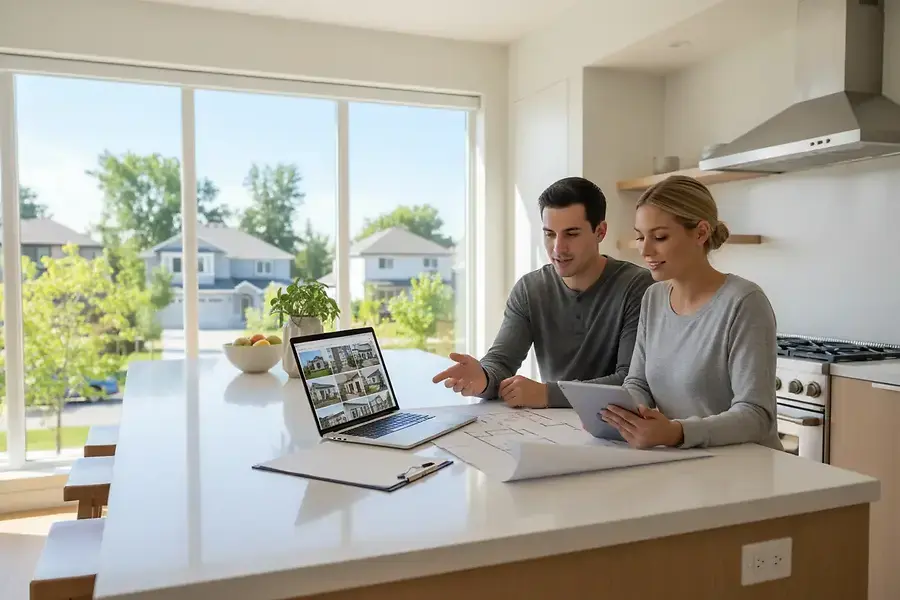
Why Property Valuation Matters for Homebuyers
Purchasing a home is one of the most significant financial decisions you'll make in your lifetime. Understanding property valuation is crucial to ensuring you're paying a fair price and making a sound investment. Whether you're a first-time buyer or an experienced investor, knowing how to assess property value protects your interests and gives you confidence during negotiations.
Property valuation goes beyond simply looking at the asking price. It involves analyzing multiple factors that influence a home's true market worth. By mastering these evaluation techniques, you'll be better equipped to identify opportunities, avoid overpaying, and secure the best possible deal.
Understanding Comparative Market Analysis and Recent Sales Data
What is Comparative Market Analysis?
Comparative Market Analysis (CMA) is one of the most reliable methods for determining fair market value. This approach involves examining recently sold properties that are similar to the one you're interested in. By comparing these comparable properties, you can establish a realistic price range for your target home.
Key Elements of CMA
- Recently Sold Properties: Focus on homes that sold within the last three to six months in the same neighborhood or similar areas
- Similar Characteristics: Look for properties with comparable square footage, number of bedrooms and bathrooms, and age
- Market Conditions: Consider whether the market is favoring buyers or sellers, as this affects pricing trends
- Price Per Square Foot: Calculate the average price per square foot to normalize differences between properties
Analyzing Recent Sales Data
Recent sales data provides concrete evidence of what buyers are actually paying for homes in your target area. This information is more reliable than asking prices, which may be inflated or unrealistic. Public records, real estate websites, and local MLS databases are excellent sources for this data.
When reviewing sales data, pay attention to the days on market—how long a property took to sell. Homes that sell quickly may indicate strong demand or fair pricing, while those that linger might suggest overpricing or other issues.
Evaluating Property Condition, Features, and Location Factors
Assessing Physical Condition
The property's condition significantly impacts its value. A thorough inspection reveals necessary repairs and maintenance costs that should factor into your valuation. Consider:
- Structural integrity and foundation condition
- Roof age and condition
- HVAC systems and their remaining lifespan
- Plumbing and electrical systems
- Interior finishes and appliances
- Signs of water damage, mold, or pest issues
A professional home inspection provides an objective assessment and can reveal costly issues that affect the property's true value. Use inspection findings to negotiate repairs or price reductions with the seller.
Evaluating Features and Upgrades
Certain features add significant value to a property. Premium features that appeal to buyers include:
- Updated kitchens and bathrooms
- Energy-efficient windows and insulation
- Smart home technology
- Outdoor living spaces and landscaping
- Garage space and storage solutions
- Natural light and open floor plans
However, not all upgrades return their full investment. Research which improvements are most valued in your specific market to avoid overpaying for unnecessary features.
Location and Neighborhood Factors
The adage "location, location, location" remains true in real estate. Location factors that influence property value include:
- School District Quality: Highly-rated schools typically command premium prices
- Proximity to Amenities: Closeness to shopping, dining, parks, and entertainment adds value
- Commute Times: Easy access to employment centers is highly desirable
- Neighborhood Safety: Crime rates and community reputation affect property values
- Future Development: Planned infrastructure projects can positively or negatively impact the area
- Walkability: Pedestrian-friendly neighborhoods appeal to many modern buyers
Visit the neighborhood at different times of day to get a genuine feel for the area. Talk to current residents and research local market trends to understand whether the neighborhood is appreciating or declining.
Market Conditions and Timing
Understanding current market conditions helps contextualize your valuation. In a buyer's market, there are more homes available than buyers, giving you negotiating power. In a seller's market, limited inventory drives prices up. Recognizing which market you're in helps you set realistic expectations and develop an appropriate offer strategy.
Making Informed Offers Based on Accurate Assessment
Synthesizing Your Research
After gathering data through CMA, inspections, and neighborhood analysis, compile your findings into a comprehensive valuation. Create a spreadsheet comparing your target property to recent sales, adjusting for differences in condition, features, and location. This data-driven approach provides a solid foundation for your offer.
Setting Your Maximum Offer Price
Determine the maximum price you're willing to pay based on your analysis, your financial situation, and your long-term goals. This prevents emotional decision-making and keeps you from overpaying. Remember that your offer should reflect the property's fair market value, not the asking price.
Negotiating with Confidence
Armed with thorough research and accurate valuation, you can negotiate from a position of strength. Use your findings to justify your offer and request repairs or credits for necessary work. Professional appraisals and inspection reports provide objective evidence to support your position.
Pro Tip: Work with a knowledgeable real estate agent who understands your local market. Their expertise in recent sales, neighborhood trends, and negotiation strategies is invaluable for securing the best deal.
Conclusion: Making Informed Offers Based on Accurate Assessment
Assessing property value is both an art and a science. By mastering comparative market analysis, evaluating property condition and features, and understanding location factors, you transform yourself from a passive buyer into an informed negotiator. These skills protect your investment and ensure you're paying a fair price for your new home.
Take time to thoroughly research any property before making an offer. The effort you invest in understanding fair market pricing will pay dividends throughout the buying process and beyond. With accurate assessment and confident negotiation, you'll find a home that meets your needs at a price that makes financial sense.


