Atlanta Home Inspection: Essential Guide for Residential Buyers
Discover the critical inspection points that protect your investment and reveal hidden issues before you buy.

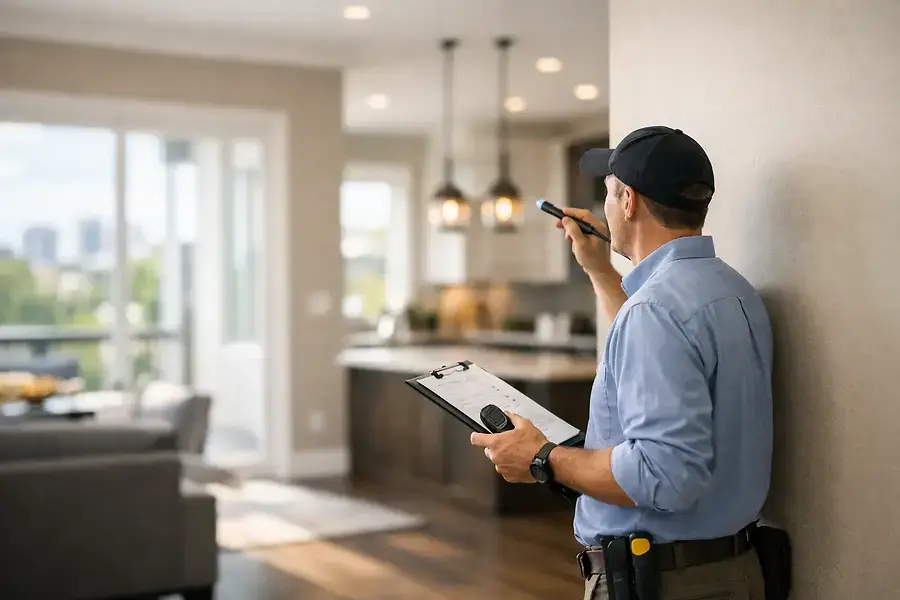
Understanding the Atlanta Home Inspection Process
A home inspection is one of the most important steps in the residential buying process, especially in Atlanta's competitive real estate market. This comprehensive evaluation of a property's condition provides you with critical information before you commit to a purchase. In Georgia, home inspectors are required to be licensed and follow specific standards to ensure thorough evaluations.
The typical inspection process takes between two to four hours, depending on the size and age of the property. During this time, a certified inspector will examine the home's major systems and components, documenting their findings in a detailed report. Understanding what happens during this process helps you prepare questions and know what to expect.
What to Expect During Your Inspection
When you schedule a home inspection, you have the right to be present during the evaluation. This is highly recommended, as it allows you to ask questions and learn about the property directly from the professional. The inspector will walk through every accessible area of the home, taking photographs and notes about the condition of various systems and components.
Most inspectors will provide you with a preliminary verbal summary at the end of the inspection, followed by a detailed written report within 24 to 48 hours. This report becomes your roadmap for understanding the property's condition and identifying any issues that need attention.
Key Areas Inspectors Examine in Georgia Homes
Structural Components and Foundation
The foundation is the backbone of any home. Inspectors carefully examine the foundation for cracks, settling, or water damage. In Atlanta's climate, foundation issues can develop due to soil composition and moisture levels, making this inspection particularly important. They also check the structural integrity of walls, floors, and the overall framing of the home.
Roofing and Exterior
Your roof is your home's first line of defense against the elements. Inspectors evaluate the roof's age, condition, and remaining lifespan. They examine:
- Shingles or roofing material for damage or wear
- Flashing around chimneys and vents
- Gutters and downspouts
- Siding and exterior walls for damage or deterioration
- Windows and doors for proper sealing
Plumbing Systems
A thorough plumbing inspection checks water supply lines, drainage systems, and fixtures throughout the home. Inspectors test water pressure, check for leaks, and examine the water heater. They also identify the type of plumbing materials used, as older homes may have outdated pipes that could require replacement.
Electrical Systems
The electrical inspection ensures your home's wiring and panel are safe and up to code. Inspectors examine the main electrical panel, test outlets, and check for any obvious hazards. This is critical for your family's safety, as faulty electrical systems can pose fire risks.
HVAC and Climate Control
Your heating, ventilation, and air conditioning systems are essential for comfort and health. Inspectors test these systems to ensure they're functioning properly and evaluate their age and condition. They also check ductwork and insulation throughout the home.
Interior Components
Beyond major systems, inspectors examine:
- Walls, ceilings, and floors for damage or moisture
- Doors and windows for proper operation
- Appliances included in the sale
- Attic and basement conditions
- Signs of pest infestation or water damage
How to Review and Interpret Your Inspection Report
Understanding the Report Format
Most inspection reports are organized by system or area of the home, making them easy to navigate. Reports typically use a rating system to categorize findings, such as:
- Good: Component is functioning properly
- Fair: Component is functional but showing signs of wear
- Poor: Component needs repair or replacement soon
- Defective: Component is not functioning and requires immediate attention
Identifying Critical Issues
Not all inspection findings are created equal. Focus on major systems and structural issues that could affect your safety or require significant investment. These include foundation problems, roof damage, electrical hazards, and plumbing failures. Minor cosmetic issues or normal wear and tear are less concerning.
Asking for Clarification
Don't hesitate to contact your inspector if you have questions about the report. A good inspector will be happy to explain findings and discuss the implications. Ask about the age of major systems, estimated repair costs, and whether issues are urgent or can wait.
Next Steps: Using Inspection Results in Your Offer
Negotiating Based on Findings
Your inspection report is a powerful negotiating tool. If significant issues are discovered, you have several options:
- Request repairs: Ask the seller to fix critical issues before closing
- Request credits: Negotiate a price reduction to cover repair costs
- Request inspections: Ask for specialized inspections on specific systems
- Walk away: Use inspection results as grounds to terminate the contract if issues are severe
Planning for Future Maintenance
Even if the inspection reveals no major issues, use the report to plan your maintenance schedule. Understanding the age and condition of your home's systems helps you budget for future repairs and replacements. Preventive maintenance can save you thousands of dollars in the long run.
Final Thoughts
A home inspection is an investment in your peace of mind and financial security. By understanding the inspection process, knowing what inspectors examine, and properly interpreting the results, you're equipped to make an informed decision about your Atlanta home purchase. Don't skip this critical step—it could be the difference between a great investment and a costly mistake.
Remember: A thorough home inspection protects your investment and gives you the information you need to negotiate confidently and move forward with confidence in your new home purchase.


