Atlanta Home Inspection Essentials: Protecting Your Investment
Learn what every Atlanta homebuyer should know about inspections to avoid costly surprises and make confident purchasing decisions.

Understanding the Atlanta Home Inspection Process
A home inspection is one of the most critical steps in the homebuying process, especially in Atlanta's diverse real estate market. This comprehensive evaluation examines the structural integrity, mechanical systems, and overall condition of a property before you commit to the purchase.
What Happens During an Inspection
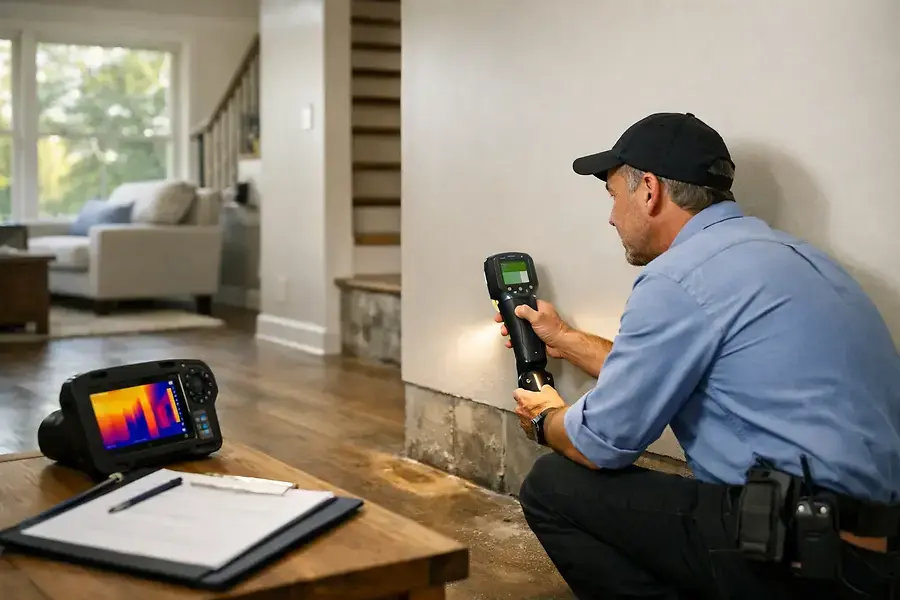
A licensed home inspector will spend 2-4 hours thoroughly examining your potential new home. They'll evaluate everything from the foundation and roof to the plumbing, electrical systems, HVAC units, and appliances. The inspector will check for water damage, pest infestations, code violations, and safety hazards that might not be immediately visible to the untrained eye.
Key areas inspected include:
- Foundation and structural components
- Roof condition and age
- Plumbing and water systems
- Electrical systems and panels
- HVAC and heating systems
- Insulation and ventilation
- Windows, doors, and exterior condition
- Basement or crawl space conditions
Choosing the Right Inspector
Not all inspectors are created equal. Look for inspectors who are certified by the American Society of Home Inspectors (ASHI) or the National Association of Home Inspectors (NAHI). In Georgia, home inspectors must be licensed, so verify credentials before hiring. Ask for references and read reviews from previous clients to ensure you're getting a thorough, professional evaluation.
Critical Issues to Watch for in Atlanta Properties
Climate-Related Concerns
Atlanta's humid subtropical climate creates specific challenges for homeowners. Moisture and mold are among the most common issues found in Atlanta inspections. The combination of heat and humidity can lead to mold growth in attics, basements, and crawl spaces. Inspectors will look for signs of water intrusion, improper drainage, and inadequate ventilation that could lead to costly remediation.
Roof and Attic Issues
Atlanta's weather patterns, including occasional severe storms, make roof condition particularly important. Inspectors will assess the age of the roof, look for missing or damaged shingles, and check for proper ventilation in the attic. A roof replacement can cost $10,000 or more, making this a critical area to evaluate carefully.
Foundation and Structural Problems
Georgia's clay-heavy soil can cause foundation settling and cracking over time. Inspectors will look for cracks in the foundation, uneven floors, and signs of structural movement. While minor settling is normal, significant issues could indicate expensive repairs ahead.
Outdated Systems
Older Atlanta homes may have outdated electrical systems, plumbing, or HVAC units. Knob-and-tube wiring, galvanized pipes, and aging air conditioning systems are common findings. Understanding the age and condition of these systems helps you budget for future replacements and understand potential safety concerns.
How to Review and Interpret Inspection Reports
Understanding the Report Format
Home inspection reports typically categorize findings into three levels: safety issues, major repairs needed, and minor maintenance items. Safety issues require immediate attention, while major repairs should be addressed soon. Minor items are typically maintenance tasks that can be scheduled over time.
Distinguishing Between Major and Minor Issues
Not every finding in an inspection report is a deal-breaker. A roof that needs replacement in 5-10 years is different from one that's actively leaking. An HVAC system that's 15 years old and functioning properly is different from one that's broken. Understanding the severity and timeline of issues helps you make informed decisions.
Pro Tip: Ask your inspector to explain findings in person. Many inspectors offer a walk-through where they can show you issues firsthand and discuss their implications. This clarification is invaluable for understanding what you're actually dealing with.
Getting a Second Opinion
For major issues discovered during inspection, consider getting quotes from licensed contractors. Understanding the actual cost of repairs helps you decide whether to negotiate with the seller, request repairs, or walk away from the deal. Don't rely solely on the inspector's estimates—get professional quotes for significant issues.
Next Steps: Using Inspections to Negotiate Better Deals
Timing Your Inspection
In Georgia, you typically have 10 days from the offer acceptance to complete your inspection. Use this time wisely. Schedule the inspection as soon as possible so you have adequate time to review findings, get contractor quotes, and make informed decisions before your inspection contingency expires.
Negotiation Strategies
Armed with inspection findings, you have several options:
- Request repairs: Ask the seller to fix critical issues before closing
- Request credits: Ask for a credit toward closing costs to handle repairs yourself
- Renegotiate price: Request a price reduction based on repair costs
- Walk away: Use inspection findings as justification to exit the deal if issues are severe
Making Your Final Decision
Review the inspection report alongside your real estate agent and consider the overall condition of the property. A home with some needed repairs might still be a great investment if the price reflects those issues. Conversely, a home that appears perfect but has hidden structural problems could be a financial burden.
Remember: Every home has some issues. The goal of an inspection is to identify what those issues are so you can make an informed decision and budget accordingly. Don't let minor findings paralyze your decision-making, but do take major issues seriously.
Post-Purchase Considerations
Even after closing, keep your inspection report handy. It serves as a baseline for the home's condition and can be valuable for insurance claims, warranty disputes, or future sales. Use the findings to prioritize maintenance and repairs, addressing critical items first and planning for larger projects over time.
A thorough home inspection is your best defense against costly surprises and helps ensure you're making a sound investment in your Atlanta property. By understanding the process, knowing what to look for, and using inspection findings strategically, you'll be well-equipped to make confident purchasing decisions.


