Atlanta Home Inspection Essentials: What Buyers Need to Know
Master the critical inspection process to protect your investment and negotiate with confidence in Atlanta's competitive real estate market.

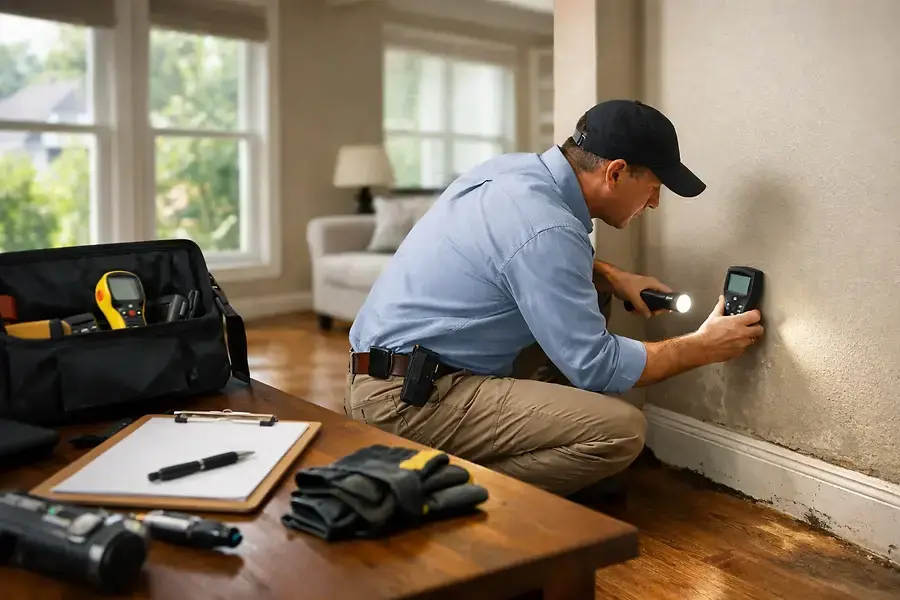
Why Home Inspections Matter in Atlanta's Market
In Atlanta's fast-paced real estate market, home inspections are your most valuable tool for protecting your investment. Whether you're a first-time buyer or an experienced investor, understanding what happens during a professional inspection can mean the difference between a smart purchase and a costly mistake.
A comprehensive home inspection provides an objective assessment of a property's condition, identifying potential issues before you commit to the purchase. In Atlanta's competitive market, where homes often receive multiple offers within days, having inspection results gives you the leverage to negotiate repairs or price adjustments with confidence.
Why this matters: Many Atlanta homes were built decades ago and may have hidden structural, electrical, or plumbing issues. A professional inspection uncovers these problems, allowing you to make an informed decision and avoid unexpected expenses after closing.
The Complete Inspection Checklist: What Professional Inspectors Evaluate
Structural Components
Professional inspectors begin by examining the foundation, walls, and overall structural integrity of the home. They look for:
- Foundation cracks or settling issues
- Water damage or moisture intrusion
- Roof condition and remaining lifespan
- Attic ventilation and insulation
Electrical Systems
The electrical system is critical for safety and functionality. Inspectors evaluate:
- Panel capacity and condition
- Grounding and bonding
- Outlet and switch functionality
- Presence of outdated wiring (such as aluminum or knob-and-tube)
Plumbing and Water Systems
Water-related issues are among the most expensive to repair. Inspectors check:
- Water pressure and flow
- Pipe material and condition
- Drainage systems and septic functionality
- Water heater age and condition
- Signs of leaks or water damage
HVAC Systems
Heating, ventilation, and air conditioning systems are essential in Atlanta's climate. Inspectors assess:
- Furnace and air conditioning unit age and operation
- Ductwork condition and sealing
- Thermostat functionality
- Filter accessibility and maintenance history
Interior and Exterior Features
A thorough inspection also includes:
- Windows and doors for proper sealing and operation
- Flooring condition and potential hazards
- Walls and ceilings for damage or staining
- Exterior siding, gutters, and drainage
- Decks and patios for safety and structural integrity
Common Issues Found in Atlanta Homes and How to Address Them
Moisture and Mold Problems
Atlanta's humid climate creates ideal conditions for moisture accumulation and mold growth. Common areas affected: basements, crawl spaces, and attics. If discovered, request a mold inspection and remediation estimate. Many sellers are willing to address this issue before closing to avoid liability.
Roof Damage and Age
Atlanta's weather, including occasional severe storms, can damage roofs prematurely. If your inspection reveals a roof nearing the end of its lifespan, negotiate a credit toward replacement or request the seller complete repairs before closing.
Outdated Electrical Systems
Older Atlanta homes may have aluminum wiring or insufficient panel capacity. Solution: Obtain repair estimates and use these in your negotiation. Upgrading electrical systems is a worthwhile investment for safety and future resale value.
Plumbing Issues
Galvanized pipes, corroded fixtures, and drainage problems are common in older homes. Have a plumber provide repair estimates and factor these costs into your offer negotiations.
HVAC System Age
Many Atlanta homes have aging heating and cooling systems. If replacement is needed, this can be a significant expense. Use inspection findings to request credits or negotiate a price reduction.
Foundation Concerns
While serious foundation issues are less common, minor settling and cracks can occur. Minor cracks are typically not concerning, but significant structural movement requires a structural engineer's evaluation before proceeding with the purchase.
Using Inspection Results to Make Informed Decisions
Prioritize Your Findings
Not all inspection issues require immediate action. Categorize findings as:
- Critical: Safety hazards or major structural issues requiring immediate attention
- Important: Systems nearing end of life that will need replacement soon
- Minor: Cosmetic issues or routine maintenance items
Negotiate Effectively
Use your inspection report as a negotiation tool. Request the seller address critical issues, provide credits for repairs you'll handle yourself, or adjust the purchase price to account for necessary work. In Atlanta's competitive market, professional inspection reports strengthen your negotiating position.
Plan Your Budget
Understanding the home's condition allows you to budget for repairs and maintenance. Set aside funds for identified issues and plan a maintenance schedule to prevent future problems.
Make Your Final Decision
Armed with detailed inspection information, you can confidently decide whether to proceed with the purchase, renegotiate terms, or walk away. This knowledge protects your investment and ensures you're making a decision based on facts, not emotions.
Remember: A professional home inspection is one of the most important steps in the home-buying process. The cost of an inspection—typically $300 to $500—is minimal compared to the potential savings from identifying major issues before purchase.


