Atlanta Home Inspection Essentials: What Every Buyer Should Know
Discover the critical inspection checklist that protects your investment and prevents costly surprises in Atlanta's competitive real estate market.

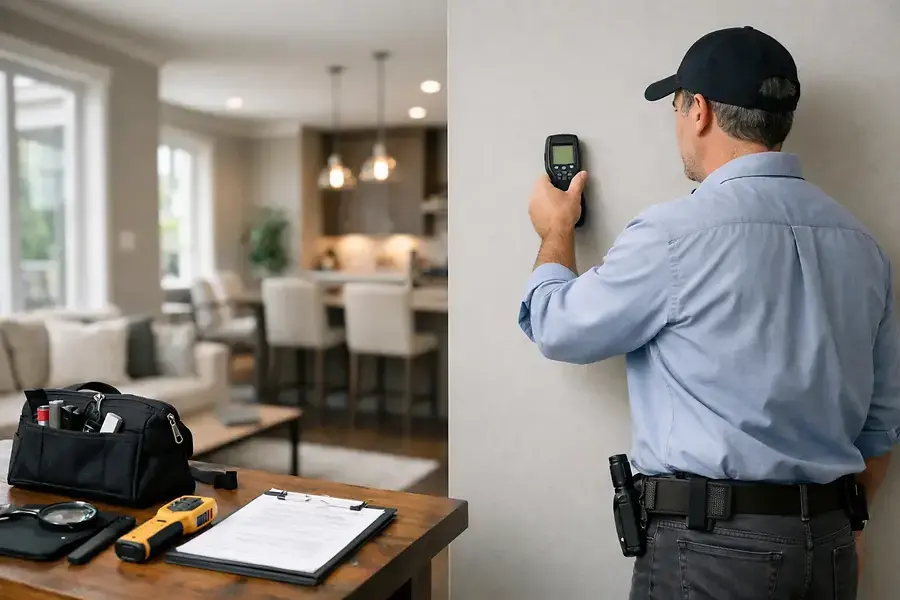
What to Expect During a Home Inspection in Atlanta
A professional home inspection is one of the most important steps in the home-buying process. In Atlanta's competitive real estate market, understanding what happens during an inspection can help you make informed decisions and protect your investment.
During a typical home inspection, a certified inspector will spend 2-4 hours examining your potential property from top to bottom. They'll evaluate the structural integrity, electrical systems, plumbing, HVAC systems, roofing, and more. The inspector will provide you with a detailed report documenting their findings, including photographs and recommendations for repairs or further evaluation.
The Inspection Process
Your inspector will typically start with the exterior, examining the roof, siding, foundation, and landscaping. They'll then move inside to check:
- Electrical panels and wiring
- Plumbing systems and water pressure
- HVAC units and ductwork
- Insulation and ventilation
- Windows and doors
- Interior walls and ceilings
- Appliances and fixtures
You have the right to be present during the inspection. In fact, attending the inspection is highly recommended so you can ask questions and understand potential issues firsthand.
Common Issues Found in Atlanta Properties and How to Address Them
Atlanta's climate and age of many properties create specific challenges for homeowners. Being aware of common issues can help you negotiate repairs or price adjustments.
Moisture and Humidity Problems
Atlanta's humid subtropical climate makes moisture issues a frequent concern. Inspectors often find:
- Mold growth in attics and crawl spaces
- Water stains on ceilings and walls
- Inadequate ventilation in bathrooms and kitchens
Solution: Ensure proper drainage around the foundation, install or upgrade ventilation systems, and address any roof leaks immediately.
Roof Damage and Age
Many Atlanta homes have roofs that are approaching the end of their lifespan. Inspectors will assess shingle condition, flashing integrity, and overall structural soundness. A roof replacement can cost $8,000-$15,000 or more, making this a critical inspection point.
Foundation Issues
Georgia's clay soil can shift and settle, potentially causing foundation cracks. While minor cracks are common, significant settling or structural cracks require professional evaluation and may indicate serious problems.
Outdated Electrical Systems
Older Atlanta homes may have outdated electrical panels or insufficient capacity for modern appliances. Aluminum wiring, another common issue, can pose fire hazards and should be evaluated by a licensed electrician.
Questions to Ask Your Inspector and Red Flags to Watch For
Being an informed buyer means asking the right questions during and after the inspection.
Essential Questions to Ask
- What's the age and condition of major systems? Ask about the roof, HVAC, water heater, and electrical panel specifically.
- Are there any safety concerns? Inquire about potential hazards like asbestos, lead paint, or radon.
- What repairs are urgent versus cosmetic? Understanding priority helps you budget appropriately.
- What's the estimated cost for recommended repairs? This helps you decide whether to negotiate or walk away.
- Should I hire specialists for further evaluation? Some issues warrant additional expert assessment.
Red Flags to Watch For
Certain findings should raise concerns and warrant further investigation:
- Significant foundation cracks or signs of settling
- Active water intrusion or extensive mold growth
- Outdated electrical systems that can't support modern needs
- Roof damage or a roof nearing the end of its lifespan
- Plumbing issues like slow drains, low water pressure, or corroded pipes
- HVAC systems that are over 15 years old and failing
- Pest damage including termites or rodent infestation
Pro Tip: Don't ignore the inspector's recommendations. If they suggest a specialist evaluation, it's worth the investment to avoid costly surprises after closing.
Using Inspection Results in Negotiations
Once you receive the inspection report, you have options. You can:
- Request the seller make repairs before closing
- Negotiate a price reduction to cover repair costs
- Ask for credits toward repairs you'll handle yourself
- Walk away if issues are too significant
In Atlanta's competitive market, having a thorough inspection report gives you leverage in negotiations and protects your financial interests.
Conclusion: Making Confident Offers with Inspection Knowledge
A professional home inspection is your safeguard against costly surprises and hidden problems. By understanding what to expect, knowing common Atlanta property issues, and asking the right questions, you'll be equipped to make confident decisions in your home purchase.
Remember: the inspection period is your opportunity to uncover problems before you're legally obligated to buy. Take it seriously, attend the inspection, review the report carefully, and don't hesitate to ask questions or hire specialists for further evaluation.
In Atlanta's dynamic real estate market, informed buyers make better decisions. Invest in a thorough inspection, understand your property's condition, and move forward with confidence in your home investment.


