Atlanta Home Inspections: Critical Red Flags Every Buyer Must Know
Discover the inspection issues that can derail Atlanta home purchases and how to protect your investment.

Why Home Inspections Matter in Atlanta's Competitive Market
In Atlanta's fast-paced real estate market, the pressure to make quick decisions can be overwhelming. Buyers often find themselves competing with multiple offers, leading many to skip or rush through the home inspection process. However, this is a critical mistake that can cost thousands of dollars in repairs and headaches down the road.
A thorough home inspection is your opportunity to uncover hidden problems before you commit to one of the largest purchases of your life. In Atlanta's climate and with the age of many homes in the area, certain issues are particularly common. Understanding what to look for during an inspection can mean the difference between a sound investment and a money pit.
The inspection process typically takes 2-3 hours and involves a detailed examination of the home's structure, systems, and components. A qualified inspector will provide a comprehensive report that serves as your roadmap for negotiating repairs or price adjustments with the seller.
Common Structural and Foundation Issues in Atlanta Homes
Foundation Problems and Settlement
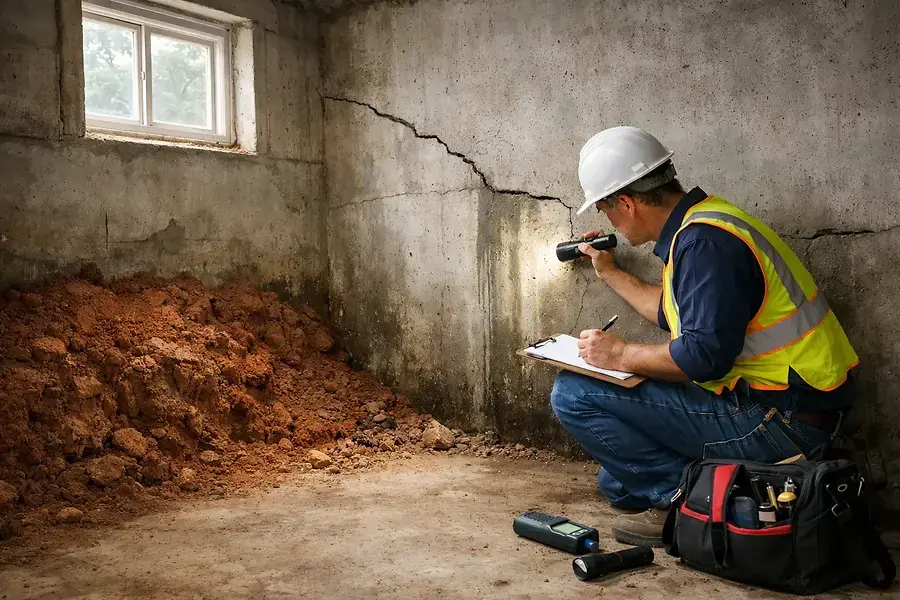
Atlanta's clay-heavy soil is notorious for causing foundation issues. The soil expands when wet and contracts when dry, creating movement that can crack foundations and cause structural damage. Look for these warning signs:
- Visible cracks in the foundation, particularly those wider than 1/4 inch
- Doors and windows that stick or won't close properly
- Uneven or sloping floors, especially noticeable in older homes
- Gaps between walls and the foundation
- Water stains or moisture in the basement or crawl space
Foundation repairs can easily exceed $10,000, making this one of the most expensive issues to address. If your inspector identifies foundation concerns, request a specialized foundation engineer's report before proceeding.
Roof and Attic Concerns
Atlanta's hot, humid climate takes a toll on roofing materials. Many homes in the area have roofs that are nearing the end of their lifespan. During inspection, your inspector should examine:
- Roof age and remaining lifespan (typically 15-25 years depending on material)
- Missing, cracked, or curling shingles
- Proper ventilation and insulation in the attic
- Signs of water damage or leaks
- Adequate flashing around chimneys and vents
A new roof can cost $8,000-$15,000 or more, so understanding the condition of your roof is essential for budgeting.
Systems to Scrutinize: HVAC, Plumbing, and Electrical Concerns
HVAC System Evaluation
Given Atlanta's hot summers and mild winters, a functioning HVAC system is non-negotiable. The inspector should verify:
- Age and condition of the air conditioning unit
- Proper heating system operation
- Ductwork integrity and insulation
- Thermostat functionality
- Regular maintenance records
Replacing an HVAC system can cost $5,000-$10,000. If the system is more than 10-15 years old, budget for replacement in the near future.
Plumbing System Red Flags
Water damage is one of the most costly issues homeowners face. Your inspector should check for:
- Water pressure and flow rates at multiple fixtures
- Signs of leaks under sinks and around toilets
- Water heater age and condition (typically 8-12 year lifespan)
- Galvanized or polybutylene pipes, which are prone to failure
- Proper grading around the foundation to direct water away
- Sump pump functionality if applicable
Polybutylene pipes are a particular concern in Atlanta homes built in the 1980s and 1990s. These pipes are known to fail prematurely and can cause significant water damage. If present, plan for replacement.
Electrical System Safety
Electrical issues pose serious safety risks and should never be overlooked. The inspector will evaluate:
- Panel capacity and condition (outdated panels like Federal Pacific or Zinsco are problematic)
- Proper grounding and bonding
- GFCI outlets in kitchens, bathrooms, and outdoor areas
- Adequate outlets and no excessive extension cord use
- Knob-and-tube wiring, which is a fire hazard
- Proper circuit breaker labeling
Electrical upgrades can range from $1,000 for minor fixes to $10,000+ for a complete panel replacement. Safety should always be the priority.
Using Inspection Insights to Make Confident Buying Decisions
Once you receive your inspection report, don't panic if issues are identified. Every home has some issues—the key is understanding their severity and cost implications.
Prioritize repairs by category:
- Critical Issues: Foundation problems, electrical hazards, roof leaks, and major plumbing issues that affect safety or habitability
- Important Issues: HVAC system age, water heater condition, and cosmetic damage that could lead to bigger problems
- Minor Issues: Small repairs and maintenance items that don't significantly impact the home's value or safety
Use your inspection report as a negotiating tool. Request that the seller address critical issues or provide credits toward repairs. In Atlanta's market, having a detailed inspection report gives you leverage to negotiate a fair price.
Consider hiring a specialized inspector for specific concerns. If foundation issues are suspected, a structural engineer's evaluation is worth the investment. Similarly, if electrical or plumbing problems are identified, getting a specialist's opinion can clarify repair costs.
"A thorough home inspection is not an expense—it's an investment in your peace of mind and financial security."
Remember, the goal of a home inspection is not to find reasons to walk away from a purchase, but to make an informed decision. Understanding the true condition of a home allows you to budget appropriately and avoid costly surprises after closing. In Atlanta's competitive market, being an educated buyer gives you the confidence to make decisions that protect your investment for years to come.


