Atlanta Home Inspections: Essential Steps Every Smart Buyer Needs
Master the critical inspection process to protect your investment and avoid costly surprises in Atlanta's competitive real estate market.

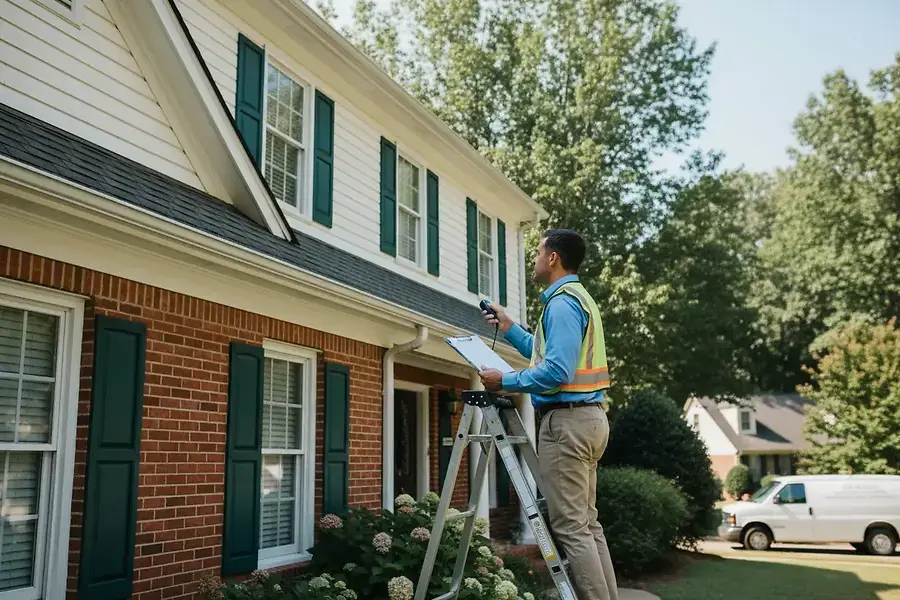
Why Home Inspections Matter in Atlanta's Real Estate Market
Purchasing a home is one of the most significant financial decisions you'll make, and in Atlanta's fast-paced real estate market, it's easy to get caught up in the excitement of finding the perfect property. However, skipping or rushing through a home inspection could cost you tens of thousands of dollars in unexpected repairs and renovations. A professional home inspection is your opportunity to uncover hidden problems before you commit to the purchase.
Atlanta's diverse housing stock—ranging from historic Victorian homes to modern suburban developments—means that properties face different challenges depending on their age, location, and construction quality. A thorough inspection protects your investment and gives you the leverage to negotiate repairs or price adjustments with the seller.
The Complete Home Inspection Process: What to Expect and How It Works
Choosing a Qualified Inspector
The first step is selecting a licensed, certified home inspector. Look for inspectors who are members of professional organizations and have extensive experience with Atlanta properties. A qualified inspector should have liability insurance and be willing to explain their findings in detail.
The Inspection Timeline
A typical home inspection takes 2-4 hours depending on the property's size and age. You should attend the inspection to ask questions and learn about your potential home firsthand. The inspector will examine:
- Structural integrity and foundation
- Roof condition and age
- HVAC systems and ductwork
- Plumbing and water pressure
- Electrical systems and panel
- Insulation and ventilation
- Windows, doors, and weatherproofing
- Appliances and built-in systems
- Attic, basement, and crawl spaces
- Exterior grading and drainage
The Inspection Report
Within 24-48 hours, you'll receive a detailed written report. This document categorizes findings into three levels: major concerns (safety issues or significant repairs needed), minor issues (maintenance items), and observations (items to monitor). The report includes photos, descriptions, and recommendations for each finding.
Common Issues Found in Atlanta Homes and What They Mean for Your Offer
Roof Problems
Atlanta's humid subtropical climate and occasional severe weather make roof issues common. Inspectors often find missing shingles, inadequate ventilation, or roofs nearing the end of their lifespan. A roof replacement can cost $8,000-$15,000, making this a critical negotiation point. If the roof is over 15 years old, budget for replacement within the next few years.
Foundation and Structural Issues
Georgia's clay soil can shift seasonally, causing foundation cracks or settling. Minor cracks are normal, but horizontal cracks, bowing walls, or significant settling indicate serious problems requiring professional evaluation. These issues can affect the entire home's structural integrity and resale value.
HVAC System Age and Efficiency
Many Atlanta homes have aging air conditioning systems. Since cooling is essential in this climate, an inspector will note the system's age and condition. Units over 10-15 years old may need replacement soon, which can cost $5,000-$8,000. This is valuable information for negotiating the purchase price.
Moisture and Mold Concerns
Atlanta's humidity creates ideal conditions for mold growth, particularly in basements, crawl spaces, and bathrooms. While some mold is common, extensive mold growth indicates moisture problems that need remediation. This could signal poor drainage, roof leaks, or plumbing issues.
Plumbing and Water Damage
Inspectors check for water pressure, drainage issues, and signs of past or present leaks. Water damage in walls or ceilings suggests plumbing problems or roof leaks. Galvanized pipes in older homes may be corroded and need replacement. These issues can be expensive and should influence your offer.
Electrical System Deficiencies
Older homes may have outdated electrical panels, insufficient outlets, or aluminum wiring—all potential safety hazards. Modern homes should have adequate grounding and circuit protection. Electrical upgrades can be costly, so understanding the system's condition is crucial.
Using Inspection Results to Make Confident Purchase Decisions
Negotiating with the Seller
Once you receive the inspection report, you have several options:
- Request repairs: Ask the seller to fix major issues before closing
- Request credits: Negotiate a price reduction to cover repairs yourself
- Request re-inspection: Have the seller's contractor fix items, then verify the work
- Walk away: If issues are too extensive, you can terminate the purchase
In Atlanta's competitive market, sellers may resist requests, but major safety issues or expensive repairs give you legitimate negotiating power. Be strategic and prioritize the most significant concerns.
Planning for Future Maintenance
Even if you proceed with the purchase, the inspection report becomes your roadmap for maintenance and repairs. Items noted as "monitor" should be checked regularly. Understanding your home's condition helps you budget for upcoming expenses and plan renovations strategically.
Final Thoughts
A professional home inspection is not an optional luxury—it's essential due diligence for any home buyer. In Atlanta's dynamic real estate market, where properties range widely in age and condition, an inspection protects your financial investment and gives you the confidence to make informed decisions. Whether you're buying a historic Inman Park home or a new construction in the suburbs, a thorough inspection ensures you understand exactly what you're purchasing and can negotiate effectively.
Take your time with the inspection process, ask questions, and use the results to make the best decision for your family and your finances. Your future self will thank you for the diligence you invest today.


