Atlanta Home Inspections: What Buyers Need to Know Before Closing
Discover the critical inspection points that protect your Atlanta home investment and prevent costly surprises after purchase.

Introduction: Why Home Inspections Matter in Atlanta's Competitive Market
Buying a home in Atlanta is an exciting milestone, but it's also one of the largest financial decisions you'll make. In today's competitive real estate market, many buyers feel pressured to move quickly and skip essential steps. However, a professional home inspection is not an expense—it's an investment in your peace of mind and financial security.
A comprehensive home inspection reveals the true condition of a property, identifying potential issues before you sign the final papers. In Atlanta's diverse neighborhoods, where homes range from historic Victorian properties to modern suburban developments, inspections are crucial for understanding what you're actually purchasing. This guide will walk you through what inspectors evaluate and how to use that information to protect your investment.
Key Systems and Structural Elements Atlanta Inspectors Always Evaluate
Foundation and Structural Integrity
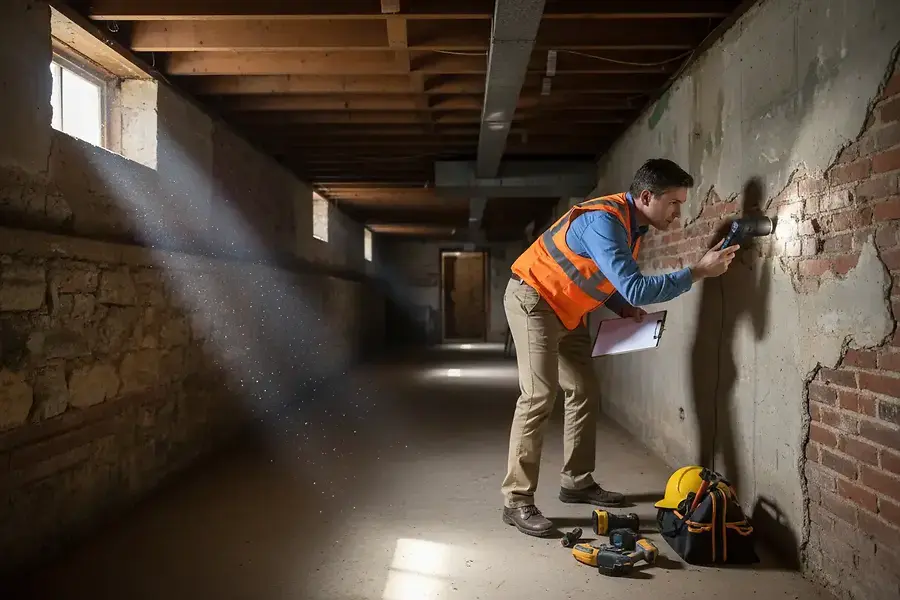
Atlanta's clay-heavy soil can cause foundation issues over time. Professional inspectors examine the foundation for cracks, settling, and water damage. They'll check for signs of structural movement, including cracks in walls, doors that don't close properly, and uneven floors. These issues can be expensive to repair, so identifying them early is essential.
Roofing and Exterior
Your roof is your home's first line of defense against Atlanta's weather, including heavy rains and occasional storms. Inspectors evaluate roof age, condition, and remaining lifespan. They also examine gutters, downspouts, siding, windows, and doors for damage or deterioration. Proper drainage is particularly important in Atlanta to prevent water intrusion and foundation problems.
HVAC Systems
Atlanta's hot, humid summers make air conditioning systems critical. Inspectors test heating and cooling systems for proper operation and efficiency. They check the age of units, maintenance history, and whether they're appropriately sized for the home. A failing AC system can cost $5,000 to $15,000 to replace, so knowing its condition is vital.
Plumbing and Water Systems
Inspectors evaluate water pressure, drainage, and the condition of pipes throughout the home. They check for leaks, corrosion, and outdated materials. In older Atlanta homes, galvanized pipes may need replacement. They'll also inspect water heaters for age, condition, and proper installation.
Electrical Systems
A thorough electrical inspection ensures the system is safe and up to code. Inspectors check the main panel, outlets, switches, and wiring. They look for outdated systems, improper installations, and potential fire hazards. Older Atlanta homes may have outdated electrical systems that need upgrading.
Insulation and Ventilation
Proper insulation and ventilation affect energy efficiency and prevent moisture problems. Inspectors assess attic insulation levels, ventilation adequacy, and signs of moisture or mold. This is especially important in Atlanta's humid climate.
Common Atlanta Home Issues to Watch For and How to Address Them
Water Intrusion and Moisture Problems
Atlanta's rainfall and humidity create ideal conditions for water damage. Common issues include:
- Basement or crawlspace water seepage
- Roof leaks and improper drainage
- Damaged or missing caulking around windows and doors
- Poor grading that directs water toward the foundation
How to Address It: Request that the seller repair major water intrusion issues before closing. For minor issues, get repair estimates to negotiate credits or price reductions.
Mold and Moisture-Related Issues
Atlanta's humidity can promote mold growth in attics, basements, and crawlspaces. While some mold is normal, extensive growth indicates a moisture problem that needs addressing. Inspectors will note visible mold and recommend further evaluation if needed.
How to Address It: Address the underlying moisture issue first, then remediate mold. Don't just cover it up—fix the root cause.
Outdated or Failing Systems
Older Atlanta homes may have systems nearing the end of their lifespan. Common issues include:
- Aging HVAC systems (typically 15-20 years old)
- Original water heaters (typically 10-15 years old)
- Outdated electrical panels or wiring
- Old plumbing with corrosion or leaks
How to Address It: Budget for replacements in your offer or request seller repairs. Get multiple quotes to understand true replacement costs.
Pest Damage and Infestations
Termites, carpenter ants, and other pests can cause significant structural damage. Atlanta's warm climate makes pest problems common. Inspectors look for evidence of past or present infestations.
How to Address It: Request a separate pest inspection if the general inspection reveals concerns. Negotiate pest treatment and repairs into the purchase agreement.
Roof Condition and Age
Atlanta's weather can be tough on roofs. Inspectors note the roof's age, condition, and remaining lifespan. Most asphalt shingle roofs last 15-20 years. A roof nearing the end of its life may need replacement soon.
How to Address It: If the roof is aging, request a credit for future replacement or negotiate a new roof installation before closing.
Inadequate Insulation and Energy Efficiency
Many older Atlanta homes lack adequate insulation, leading to higher energy bills. Inspectors assess insulation levels and recommend improvements.
How to Address It: Factor energy efficiency upgrades into your budget or negotiate credits for improvements.
Conclusion: Using Inspection Results to Negotiate and Secure Your Atlanta Home
A home inspection report is your roadmap to making an informed decision. Once you receive the inspection report, you have several options:
- Request Repairs: Ask the seller to fix major issues before closing.
- Negotiate Credits: Request a credit toward closing costs to handle repairs yourself.
- Renegotiate Price: Use significant findings to justify a lower purchase price.
- Walk Away: If issues are too extensive or costly, you can terminate the contract during the inspection period.
Remember, inspection contingencies are your protection. Most Atlanta purchase agreements include an inspection period—typically 7-10 days—during which you can have the home professionally evaluated. Use this time wisely.
Don't skip the inspection to move faster or appear like an easier buyer. A thorough inspection protects your investment and prevents costly surprises after closing. In Atlanta's competitive market, being informed and prepared makes you a smarter buyer. Take the time to understand your home's condition, and you'll enjoy your new Atlanta home with confidence.


