Atlanta Home Inspections: What Buyers Need to Know Before Closing
Learn what professional inspectors look for and how to protect your investment before closing on an Atlanta property.

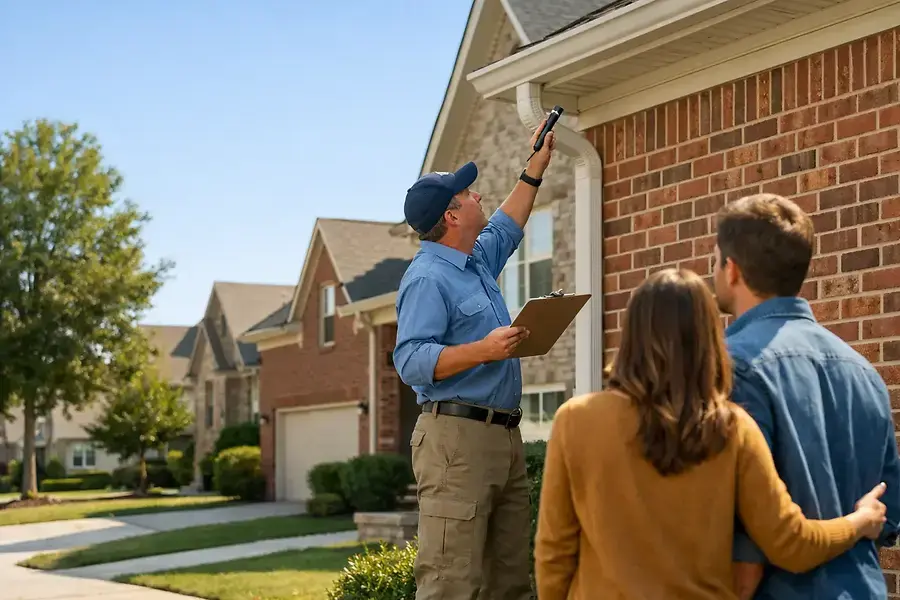
Understanding the Home Inspection Process in Atlanta
Purchasing a home is one of the most significant investments you'll make in your lifetime. In Atlanta's competitive real estate market, a professional home inspection is your safeguard against costly surprises after closing. A home inspection is a thorough examination of a property's physical structure and systems, conducted by a certified inspector who provides you with a detailed report of findings.
The inspection process typically takes two to four hours depending on the home's size and age. During this time, the inspector will examine everything from the foundation to the roof, checking the integrity of structural components, electrical systems, plumbing, HVAC, and more. As a buyer, you have the right to be present during the inspection, and it's highly recommended that you attend to ask questions and gain firsthand knowledge of your potential home.
In Atlanta, home inspections are not legally required, but they are strongly advised. Most mortgage lenders will require an inspection before approving your loan, and many sellers expect buyers to conduct one as part of the due diligence process. Understanding what happens during this inspection empowers you to make informed decisions about your purchase.
Key Areas Inspectors Evaluate and Red Flags to Watch
Structural Components
Inspectors begin by evaluating the home's foundation, walls, and overall structural integrity. Foundation issues are particularly concerning in Atlanta, where soil conditions and weather patterns can affect stability. Look for cracks in the foundation, uneven floors, or doors that don't close properly—these may indicate structural problems that require expensive repairs.
Roofing and Exterior
The roof is one of your home's most critical protective barriers. Inspectors check for:
- Missing or damaged shingles
- Signs of leaks or water damage
- Proper ventilation and flashing
- Gutter condition and drainage
Atlanta's humid climate and occasional severe weather make roof condition especially important. A roof nearing the end of its lifespan can be a major expense to replace.
Plumbing and Water Systems
Inspectors test water pressure, check for leaks, and examine pipes for corrosion or damage. Water damage is a red flag that can lead to mold growth and structural deterioration. Pay special attention to bathrooms, kitchens, and basements where water issues commonly occur.
Electrical Systems
A thorough electrical inspection ensures your home meets current safety codes. Outdated wiring, insufficient outlets, or improper grounding can pose fire hazards. Older Atlanta homes may have aluminum wiring, which requires special attention and potential upgrades.
HVAC Systems
Your heating and cooling systems are essential for comfort in Atlanta's climate. Inspectors evaluate the age, condition, and efficiency of your HVAC equipment. Units nearing the end of their lifespan should be factored into your negotiation strategy.
Pest and Mold Concerns
While a standard home inspection includes checking for signs of pests and mold, you may want to hire specialized inspectors for comprehensive termite or mold assessments. Atlanta's warm, humid environment creates ideal conditions for both, making these concerns particularly relevant.
How to Use Inspection Reports to Negotiate Better Deals
Once you receive the inspection report, you have several options for moving forward. Don't panic at every finding—inspectors note both major issues and minor maintenance items. Prioritize concerns by severity and cost.
Requesting Repairs
For significant issues discovered during inspection, you can request that the seller make repairs before closing. This is particularly effective for structural problems, major system failures, or safety hazards. Provide the seller with the inspection report and specific repair estimates to strengthen your position.
Negotiating Price Reductions
If repairs are extensive or the seller is unwilling to fix issues, negotiate a price reduction. This allows you to hire contractors of your choice and potentially save money.
A well-documented inspection report is your strongest negotiating tool—use it strategically to protect your investment.
Requesting Escrow Holdbacks
For minor issues that don't require immediate attention, you might negotiate an escrow holdback. The seller deposits funds into an escrow account to cover repairs after closing, giving you flexibility in addressing non-critical items.
Walking Away
If inspection results reveal major problems that would be costly to repair, you have the right to walk away from the deal, especially if you included an inspection contingency in your offer. This protection is invaluable in protecting your financial interests.
Next Steps: From Inspection Results to Confident Home Ownership
After addressing inspection findings through negotiation or repair requests, you're moving closer to closing. Keep these final steps in mind:
- Request a final walkthrough to verify that agreed-upon repairs were completed satisfactorily
- Obtain copies of all warranties for appliances and systems covered by the seller
- Ask the seller for maintenance records and contact information for contractors they've used
- Schedule a pest inspection if you haven't already, particularly for termite concerns common in Atlanta
- Review your homeowner's insurance to ensure adequate coverage based on inspection findings
Taking the home inspection process seriously demonstrates due diligence and protects your investment. By understanding what inspectors evaluate, recognizing red flags, and using inspection reports strategically in negotiations, you position yourself for confident home ownership in Atlanta. Remember, a thorough inspection today prevents expensive surprises tomorrow.


