Atlanta Home Inspections: What Every Buyer Must Know Before Closing
A comprehensive guide to understanding the inspection process and protecting your investment in Atlanta's real estate market.

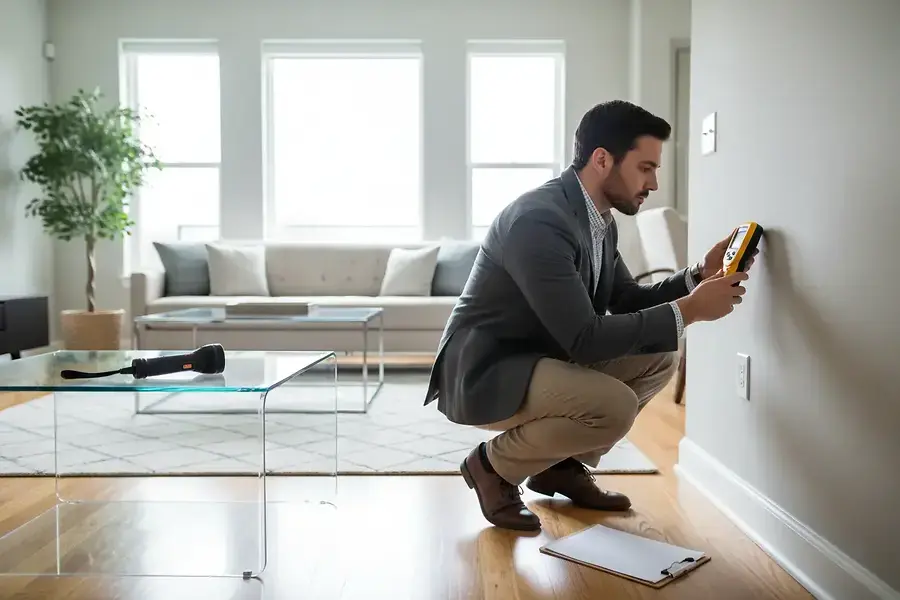
Why Home Inspections Matter in Atlanta
Purchasing a home is one of the most significant financial decisions you'll make in your lifetime. In Atlanta's competitive real estate market, it's easy to get caught up in the excitement of finding your dream home and overlook critical details. A professional home inspection is your opportunity to uncover potential problems before you sign on the dotted line.
A thorough home inspection provides you with a detailed report of the property's condition, from the foundation to the roof. This knowledge empowers you to negotiate repairs, request credits, or walk away from a deal if serious issues are discovered. Without an inspection, you could inherit costly problems that weren't visible during your initial walkthrough.
In Atlanta's humid climate and aging housing stock, inspections are particularly important. Many homes in the area were built decades ago and may have outdated systems or hidden damage from weather exposure. An experienced inspector familiar with Atlanta's specific challenges can identify issues that a general inspector might miss.
Common Issues Found in Atlanta Homes and Red Flags to Watch
Moisture and Mold Problems
Atlanta's subtropical climate creates the perfect environment for moisture-related issues. Inspectors frequently discover:
- Mold growth in attics, basements, and crawl spaces
- Water damage from roof leaks and improper drainage
- Compromised foundation seals allowing water intrusion
- Damaged or missing gutters and downspouts
These issues can be expensive to remediate and may indicate larger structural problems. Always ask your inspector to pay special attention to moisture-prone areas.
HVAC and Electrical Systems
Many Atlanta homes have aging heating and cooling systems that may not be functioning efficiently. Common findings include:
- Outdated air conditioning units nearing the end of their lifespan
- Inadequate insulation in attics and walls
- Outdated electrical panels or wiring that may not meet current codes
- Insufficient electrical capacity for modern appliances
Replacing an HVAC system can cost $5,000 to $15,000, so this is a critical area to evaluate.
Roof and Structural Concerns
The roof is your home's first line of defense against Atlanta's weather. Watch for:
- Missing or damaged shingles
- Sagging roof lines indicating structural issues
- Inadequate ventilation leading to premature deterioration
- Flashing problems around chimneys and vents
Plumbing Issues
Older Atlanta homes often have plumbing systems that have seen better days. Common problems include corroded pipes, low water pressure, and outdated fixtures. Some homes may still have galvanized pipes that are prone to rust and deterioration.
Navigating the Inspection Process and Working with Local Inspectors
Choosing the Right Inspector
Not all home inspectors are created equal. When selecting an inspector for your Atlanta property, consider the following:
- Credentials and Certifications: Look for inspectors certified by the American Society of Home Inspectors (ASHI) or similar organizations
- Local Experience: Choose someone familiar with Atlanta's climate, building codes, and common regional issues
- Insurance and Licensing: Verify they carry errors and omissions insurance and are properly licensed in Georgia
- References and Reviews: Check online reviews and ask for references from past clients
- Detailed Reporting: Ensure they provide comprehensive written reports with photos and recommendations
What to Expect During the Inspection
A standard home inspection typically takes 2-4 hours, depending on the property's size and age. The inspector will examine:
- Exterior: Roof, siding, foundation, landscaping, and drainage
- Interior: Walls, ceilings, floors, and visible structural elements
- Systems: Electrical, plumbing, HVAC, and water heating
- Appliances: Functionality of included appliances
- Attic and Basement: Insulation, ventilation, and signs of water damage
You should always attend the inspection. This gives you the opportunity to ask questions, understand the property's condition firsthand, and discuss concerns with the inspector in real-time.
Understanding the Inspection Report
After the inspection, you'll receive a detailed report categorizing issues by severity:
- Critical: Safety hazards or major system failures requiring immediate attention
- Major: Significant issues that should be addressed soon
- Minor: Small repairs or maintenance items
- Informational: Observations about the property's condition and maintenance
Review this report carefully and discuss findings with your real estate agent. You can then decide whether to request repairs, ask for credits, or renegotiate the purchase price.
Post-Inspection Negotiations
Armed with your inspection report, you have several options:
- Request that the seller make specific repairs before closing
- Ask for a credit to cover repair costs yourself
- Negotiate a price reduction based on the issues found
- Walk away from the deal if critical problems are discovered
Be reasonable in your requests. Sellers are typically willing to address major issues, but requesting credits for minor maintenance items may not be well-received.
Making Informed Decisions as an Atlanta Homebuyer
A home inspection is an investment in your peace of mind and financial security. By understanding what inspectors look for and knowing the common issues in Atlanta homes, you're better equipped to make informed decisions about your purchase.
Remember: a home inspection is not a deal-breaker—it's a tool that gives you the information needed to make the best decision for your family and your finances.
Take the inspection process seriously, ask questions, and don't hesitate to request a second opinion if you're concerned about specific findings. Your future self will thank you for the diligence you put in today.


