Atlanta Residential Market: What First-Time Buyers Should Know
Master the essential facts about Atlanta neighborhoods, pricing trends, and buyer strategies to make confident real estate decisions.

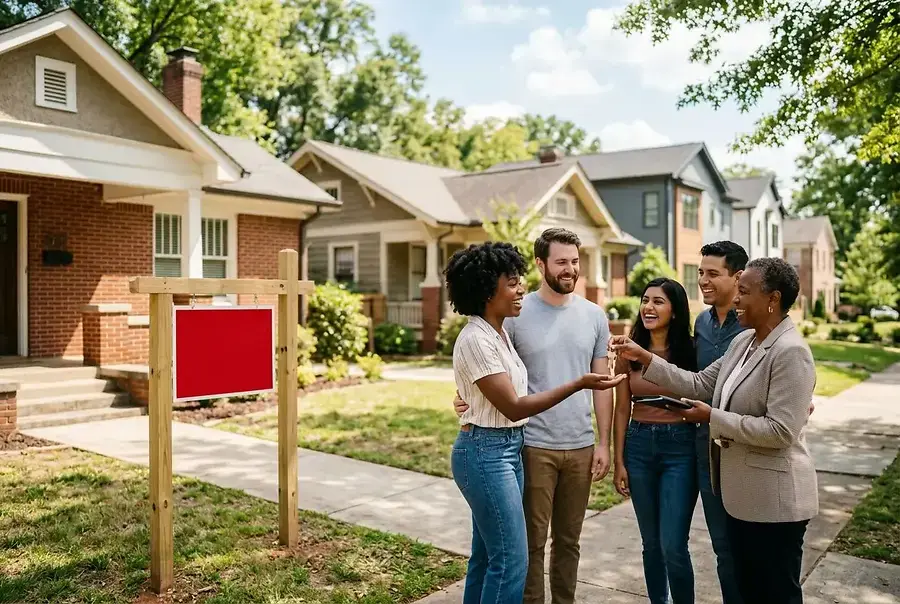
Understanding Atlanta's Residential Market Landscape
Atlanta's residential real estate market continues to evolve as one of the most dynamic in the Southeast. The city has experienced steady growth driven by a thriving job market, diverse cultural attractions, and an influx of young professionals seeking affordable urban living. For first-time buyers, understanding the current market conditions is essential before making one of the largest financial decisions of your life.
The Atlanta market has shown resilience and stability, with home prices reflecting both the city's desirability and the broader economic trends affecting the region. Inventory levels have normalized compared to previous years, creating a more balanced environment where buyers have genuine choices rather than facing bidding wars on every property. This shift presents an excellent opportunity for first-time homebuyers to enter the market strategically.
Key factors shaping Atlanta's market include:
- Population growth driven by corporate relocations and remote work opportunities
- Diverse housing options ranging from historic bungalows to modern high-rises
- Strong rental market supporting property investment potential
- Improving infrastructure and transportation networks
- Competitive interest rates and lending options
Key Neighborhoods and Their Value Propositions
Intown Neighborhoods
Areas like Midtown, Virginia Highland, and East Atlanta offer walkable communities with vibrant nightlife, restaurants, and cultural venues. These neighborhoods appeal to young professionals and attract higher price points due to their proximity to employment centers and entertainment districts. While more expensive, these areas offer lifestyle benefits and strong appreciation potential.
Emerging Growth Areas
Neighborhoods such as Westside, Edgewood, and Reynoldstown are experiencing revitalization with new development, improved amenities, and community investment. These areas offer better value for first-time buyers seeking affordability without sacrificing access to urban conveniences. Property appreciation in these neighborhoods has been impressive as infrastructure improvements continue.
Suburban Communities
For buyers prioritizing space and schools, suburbs like Decatur, Buckhead, and Marietta provide excellent options. These communities offer larger homes, excellent school systems, and established neighborhoods. While prices are higher, the value proposition includes more square footage and family-oriented amenities.
Commuter-Friendly Options
Areas along major corridors like the I-85 and I-75 corridors offer affordability with reasonable commute times to downtown. These neighborhoods are ideal for buyers willing to trade proximity for more home value and lower prices. Improving public transportation makes these areas increasingly attractive.
Financing Options and Buyer Strategies for Atlanta Homes
Understanding Your Financing Options
First-time buyers have multiple financing pathways available in Atlanta's lending market. FHA loans remain popular for those with limited down payments, requiring as little as 3.5% down. Conventional loans offer competitive rates for buyers with stronger credit profiles and larger down payments. VA and USDA loans provide specialized options for eligible military members and rural property buyers.
Before house hunting, obtain a pre-approval letter from a lender. This demonstrates to sellers that you're a serious buyer and clarifies your budget. Compare rates from multiple lenders—even small differences in interest rates can save thousands over the life of your loan.
Down Payment Strategies
While 20% down eliminates private mortgage insurance (PMI), first-time buyers don't need to wait for this amount. Putting down 5-10% is perfectly acceptable and allows you to enter the market sooner. Consider the trade-off: paying PMI for a few years might be worth building equity immediately rather than renting while saving.
Explore first-time buyer programs offered by Georgia Housing and Finance Authority (GHFA) and local nonprofits. Many programs provide down payment assistance, favorable interest rates, or closing cost help for qualified buyers.
Proven Buyer Strategies
- Get pre-approved early to understand your budget and strengthen your offer
- Work with a local real estate agent who understands Atlanta neighborhoods and market dynamics
- Attend open houses to understand pricing and condition across different areas
- Consider properties needing minor updates for better value and negotiating power
- Factor in total costs including property taxes, insurance, HOA fees, and maintenance
- Get a professional home inspection before committing to any purchase
Making Your Offer and Closing Successfully
Crafting a Competitive Offer
In Atlanta's balanced market, your offer strategy matters significantly. Research comparable sales in your target neighborhood to understand fair market value. Your agent should provide a comparative market analysis (CMA) showing recent sales of similar properties.
Consider offering slightly above asking price if the property is undervalued or in a competitive area, but avoid overpaying. Include contingencies for inspection and appraisal—these protect you from purchasing a property with hidden issues or one that doesn't appraise for your loan amount.
Inspection and Appraisal
Never skip the home inspection. A professional inspector identifies structural issues, mechanical problems, and needed repairs that aren't visible to the untrained eye. Use inspection findings to negotiate repairs or credits with the seller. The appraisal ensures the property value supports your loan amount—if it appraises lower than your offer, you'll need to renegotiate or bring additional funds to closing.
Closing Process
The closing process typically takes 30-45 days from offer acceptance. During this time, your lender orders the appraisal, title search, and underwriting. You'll receive a Closing Disclosure document three days before closing, detailing all final costs and loan terms. Review this carefully and ask questions about anything unclear.
At closing, you'll sign documents, transfer funds, and receive your keys. Budget for closing costs typically ranging from 2-5% of the purchase price, though first-time buyer programs may reduce this amount.
Final Recommendations
Success in Atlanta's real estate market comes from preparation, patience, and partnering with knowledgeable professionals who understand your goals and the local landscape.
Take your time with this decision. Atlanta offers diverse neighborhoods and price points for every buyer profile. By understanding market conditions, exploring neighborhoods thoroughly, securing appropriate financing, and executing a thoughtful offer strategy, first-time buyers can confidently navigate Atlanta's residential market and find their ideal home.